








Introduction:Many coffee beginners believe that the more types of beans in a blend, the richer the pour over flavor will be. However, the essence of blending lies in balance and complementarity, not simply accumulation. This article delves into the principles of blended coffee, verifies the effects of mixing various beans through experiments, and offers professional advice to help you understand how to choose the right blend and enhance your pour over experience.
Yesterday afternoon, a customer curiously asked: "If you were to blend all thirty-plus types of coffee beans on your blackboard together, would the resulting pour over coffee taste particularly good?" This is not the first time someone has asked a similar question. With the promotion of blends using four or more types of beans, many beginners mistakenly assume that the more types of beans in a blend, the better.
But that’s not the case—the quality of blended coffee does not increase proportionally with the number of bean varieties. Many people hold this misconception, partly due to marketing influence and partly because of a limited understanding of what blending actually means. Next, we’ll introduce the definition of blended coffee in detail and explain through an experiment why too many bean types may actually negatively affect the flavor.

Blended coffee, also known as mixed coffee, is the process of combining two or more coffee beans from different origins or varieties. Though it may seem as simple as mixing beans together, it is actually a technical craft. Blending can achieve effects that single-origin beans cannot, and can also be adjusted to meet specific flavor and mouthfeel needs.
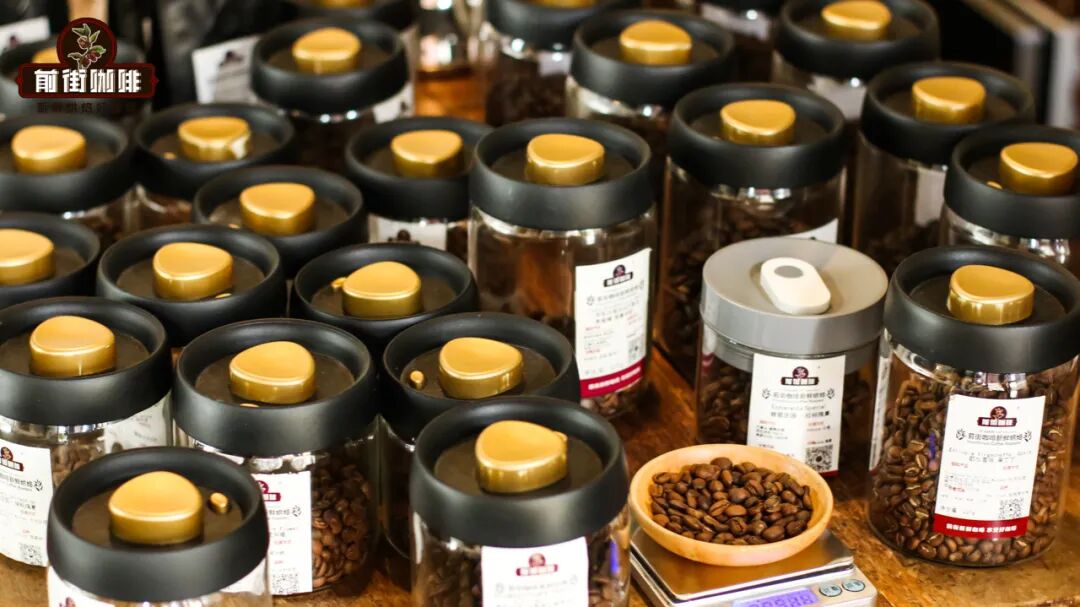
The advantages of blending include creating a “six-sided warrior” with balanced flavors—that is, coffee that excels in all aspects—or crafting a high-cost-performance option that delivers a satisfying flavor experience at a relatively lower cost. It can even improve the stability of coffee flavor. Since coffee is an agricultural product, beans from a single region may vary in flavor from batch to batch, and blending can effectively mitigate such instability.

For example, if a particular bean performs poorly in a new harvest season or is out of stock, a similarly characterized bean can be used in the blend to maintain overall flavor consistency. Additionally, blending can create unique flavors that a single variety cannot offer by complementing each other’s strengths and weaknesses.

However, simply piling up multiple types of beans may not yield the expected results. We conducted an experiment: taking small amounts from over thirty types of coffee beans in our shop, mixing them into a 15g blend, and then extracting via pour over. Although the ground beans emitted aromas of berries and spices, the brewed coffee had a muted flavor, lacking highlights, and the mouthfeel was chaotic.

This happened because there were too many bean types, all in equal proportions, with no dominant flavor bean, causing the various tastes to cancel each other out. It’s like mixing multicolored clay—it might end up as a dull grayish-brown. The more types of beans in a blend, the more attention needs to be paid to proportion and characteristic matching, or else the unique qualities can be weakened instead.
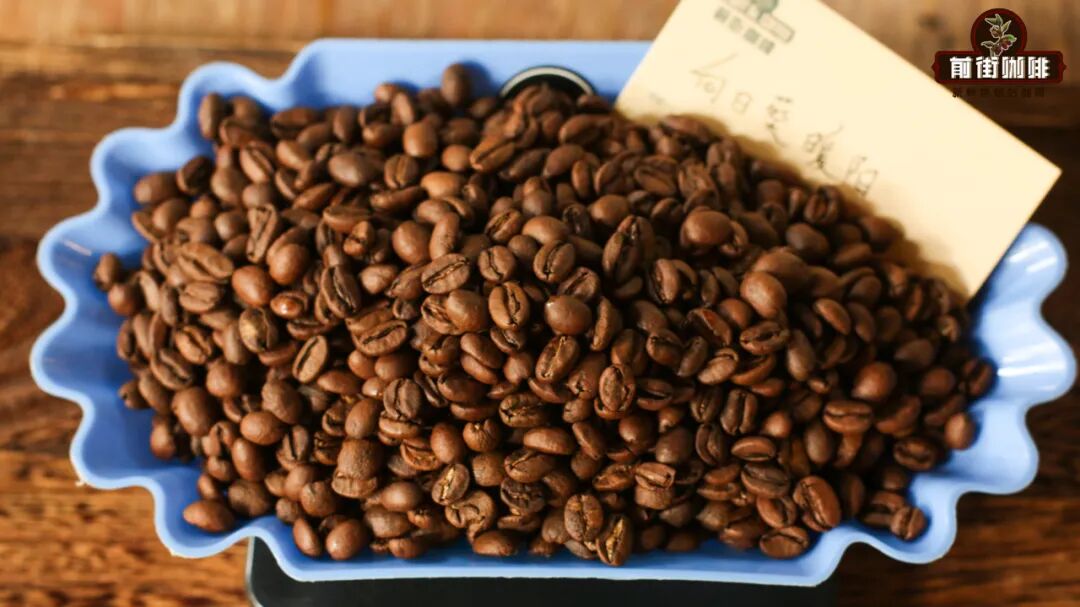
Moreover, increasing the number of bean types makes the blending process more complex. Different beans vary in size, density, and roasting requirements, necessitating adjustments to the roast profile. If you want the flavors to be harmonious, it’s advisable to use the “roast-then-blend” method—roasting each type separately before mixing. But the more bean types there are, the more roasting batches are needed, and the actual benefit may not match the effort put in.
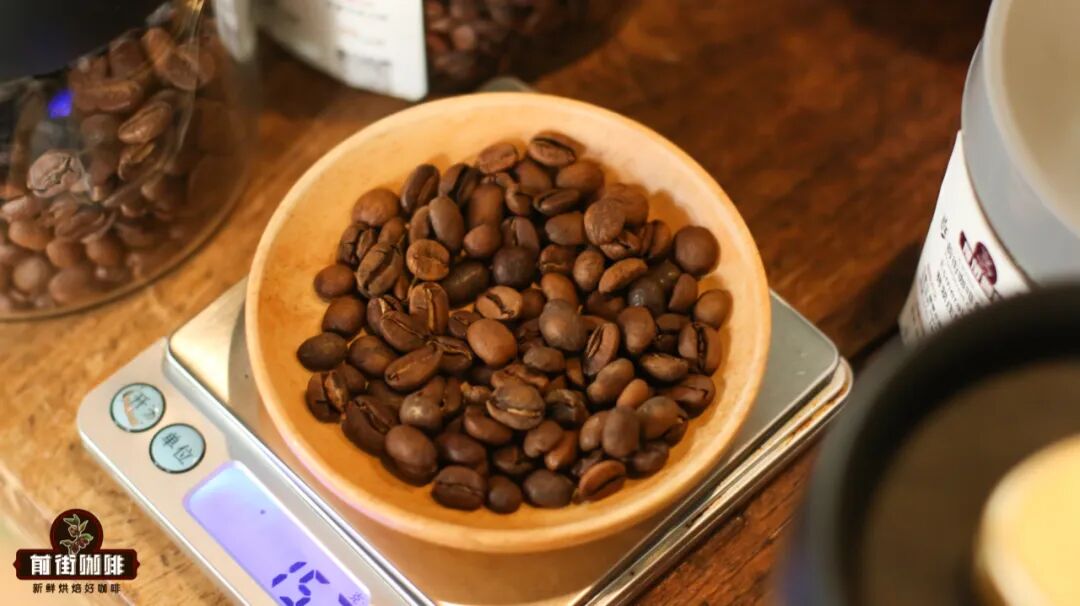
Therefore, more types of beans do not make better blended coffee. Currently, most commercial blends on the market typically contain between 2 to 5 types of beans—a balance struck between flavor, stability, and operational complexity. For pour over enthusiasts, choosing a blend that suits your personal taste is more important than simply pursuing a higher number of bean types.

In summary, the key to blended coffee lies in understanding the characteristics of each type of bean and scientifically blending them in ideal proportions to achieve the desired flavor. Whether you're aiming for stability, cost-performance, or unique flavors, a well-thought-out blending strategy can lead to a better pour over experience.

The above content is compiled by CoffeeHunters, a coffee news website.

