







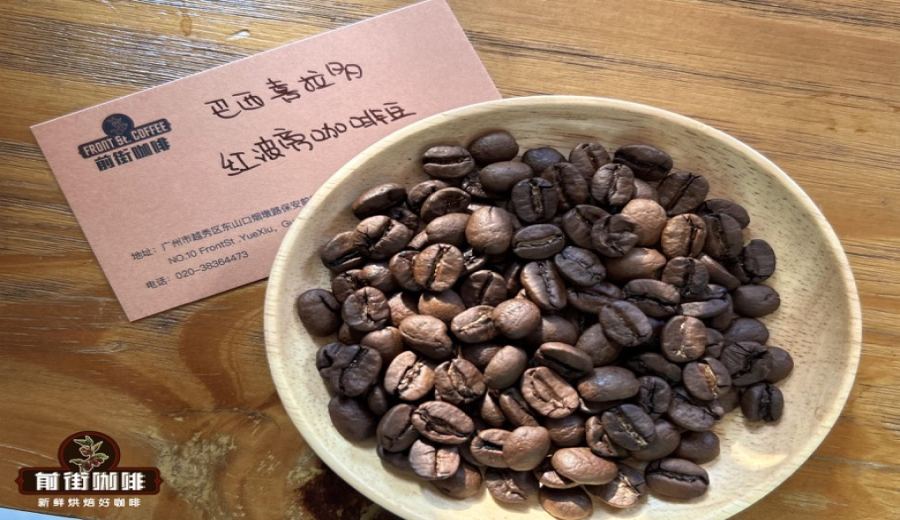
Introduction:Want to understand the unique flavor characteristics of Brazilian coffee beans and practical selection tips? This article delves into the nutty, caramel-forward, low-acid, and round-bodied profile of Brazilian beans, while also exploring the flavor profile differences and usage variations among similar-origin beans such as Papua New Guinea Bird of Paradise, Colombian Geisha, and Ethiopian Gedi. It not only provides bean selection advice for pour over, espresso, and cold drip brewing but also shares hands-on details on roasting, storage, and extraction parameters to help you build your own coffee flavor database.
When it comes to Brazilian coffee beans, many people immediately think of two key words: "nutty" and "low acidity." These beans are mostly grown at low altitudes and often undergo natural processing methods, giving them a mild, round-bodied character with sweet caramel notes. If you’ve ever tried the Bird of Paradise beans from nearby Papua New Guinea, you’ll likely notice that they share a similar tone with Brazilian beans—clean, soft, with noticeable sweetness but not overly sharp, delivering an overall well-balanced performance.
However, if you really want to grasp the essence of Brazilian flavors, it’s best not to focus solely on the "origin" label. Even within the same origin, factors such as altitude, variety blend, processing method, and roast level can lead to vastly different flavor outcomes. Therefore, a more practical approach is to first clarify your preferred processing style and roast preference, then choose the most suitable bean based on your usual brewing equipment—such as pour over, moka pot, or espresso machine.
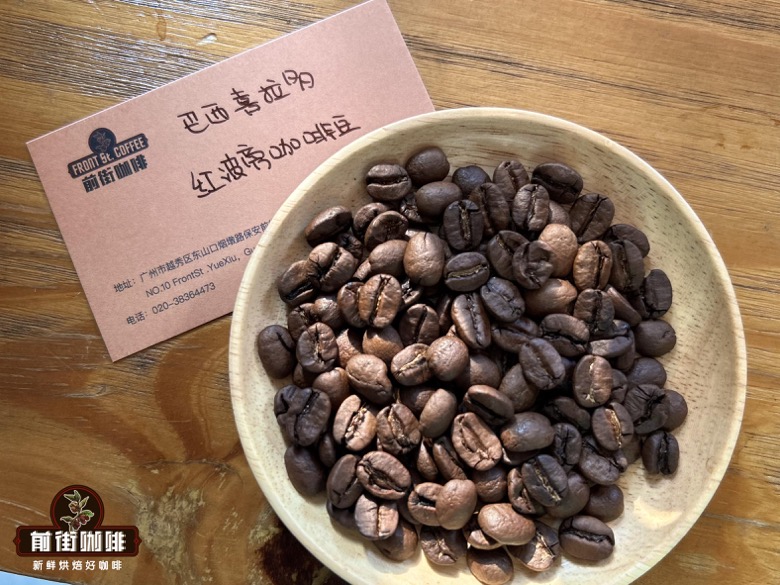
Brazilian coffee beans are extremely versatile. Whether used as the base in espresso blends, adding stable depth to milk-based coffees, or as a mild option for everyday pour over brewing, they demonstrate their value. For example, the Papua New Guinea Bird of Paradise beans are known for their clean, round-bodied, and softly sweet characteristics. Their flavor texture even bears some resemblance to the Blue Mountain series, making them highly suitable for drinkers who prefer low acidity and balanced taste profiles.
On the other hand, Colombian Geisha takes a different route. Its flavor profile is dominated by passion fruit, blueberry, grape, and apricot, showcasing an overall rich fruity juice-like character. These beans are particularly well-suited for cold pour over, cold drip, or as a single-origin (SOE) brew, allowing their freshness and complexity to shine through.
As for Ethiopian Gedi, it represents a brighter acidity and floral-fruity profile. Its flavor framework consists of citrus, berries, floral notes, and green tea-like aftertaste. When brewed using the pour over method with a light roast, it can produce very clear and transparent aromas; even when switched to cold brew, its otherwise lively acidity becomes gentler.
To further enhance your coffee tasting experience, in addition to choosing the right beans, you also need to learn how to manage the state of the beans. It’s recommended to select freshly roasted beans within one month of the roast date and ensure they are properly sealed and stored in a cool place. Mastering these three basics will help maintain the fundamental flavor profile of the beans. When purchasing regularly, it’s advisable to buy in batches according to actual needs rather than stockpiling too much at once. During brewing, pay attention to changes in dry aroma and observe the sweetness and aftertaste upon tasting. If you notice a significant drop in aroma, consider checking whether the grind size is appropriate or how long the beans have been opened. For the same bean, you can also separately record brewing parameters for hot, iced, and milk-based coffees. Over time, this builds your personal flavor database.
In fact, the advanced art of coffee drinking depends half on the beans themselves and half on how well you manage their state. For example, beans with prominent fruity or floral notes often require more precise control over water temperature, grind size, and pouring technique—each step affects the final outcome. In contrast, nutty and cocoa-flavored blends rely on designed stability and can maintain a consistent level even with daily use. If you share coffee with family or friends, it’s recommended to choose a well-balanced bean as a common choice, supplemented by individual single-origin preferences. This combination is better for highlighting subtle flavor differences than hoarding multiple beans of the same type.
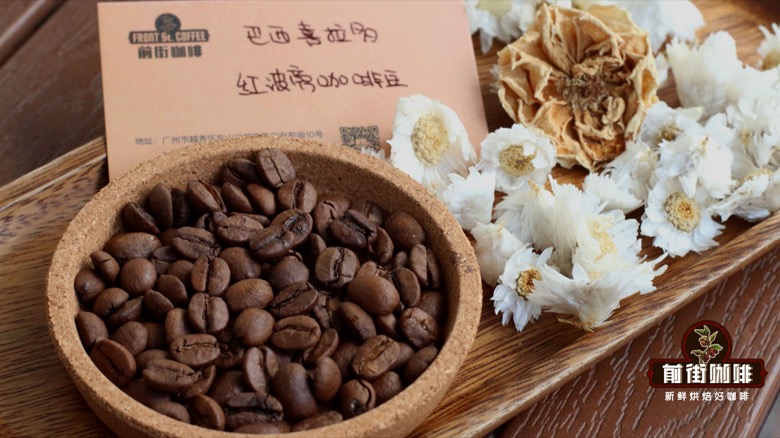
In the practice of pour over brewing, the coffee-to-water ratio and total water volume form the foundation of the overall flavor, while grind size is the most flexible variable. If you find the flavor overly sour or astringent upon tasting, it may be a sign of under-extraction; if the aftertaste feels dry or tight, it might indicate too long a contact time between coffee and water. In such cases, try reducing agitation or shortening the brewing time. When adjusting, it’s recommended to change only one variable at a time to avoid misjudgment due to altering too many parameters simultaneously.
Finally, if your brewing equipment or taste preferences frequently change, consider dividing your bean storage into two sections: one for versatile beans suitable for various brewing methods, which perform steadily whether used for pour over, moka pot, or espresso; the other for beans with distinctive profiles, such as those emphasizing bright acidity or rich body. This allows you to make selections based on your current mood or needs. By aligning with your own drinking pace and taste preferences, this strategy makes it easier to explore the layers and charm of different flavor profiles.
The above content is compiled by CoffeeHunters, a coffee news website.

