







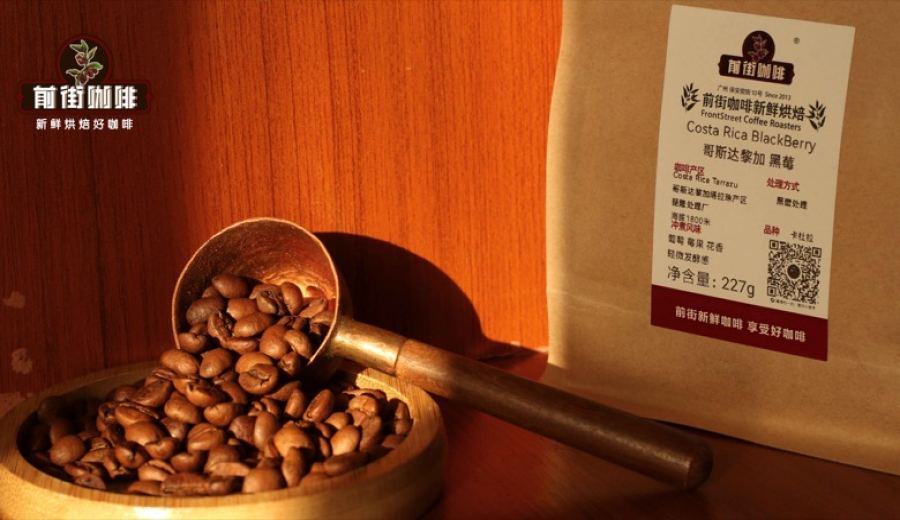
Introduction:Berry-flavored coffee beans, with their unique layers of sweet and sour flavors, are highly favored by pour over enthusiasts. How can you bring out the fresh fruit aromas of strawberries, blueberries, and more through bean variety, processing methods, and brewing techniques? This article delves into the flavor profile of berry-series coffee beans, suitable roast levels, and brewing parameters, and provides practical storage and tasting advice to help you progress from beginner to expert and find your perfect berry coffee experience.
The charm of berry-flavored coffee beans lies in the “interplay of sweet and sour” complexity. To make the aromas of strawberries, blueberries, raspberries, and the like come alive three-dimensionally, the support of acidity is crucial. For example, the Geisha from Granja La Esperanza has a distinct strawberry jam note, paired with the sweetness brought by the natural processing method, showcasing a richer side of berry flavors. In contrast, the blueberry notes in Colombia Gesha are fresher, especially when brewed as an iced pour over, where the berry character is as lively and bubbly as sparkling water.
The growing region lays the foundation for a coffee's flavor, while the variety and processing method intricately define its characteristics. Further adjustments in roast level and brewing parameters complete the full puzzle of pour over flavor. Generally speaking, light roasts better highlight floral and fruity notes, while medium roasts lean toward a sweeter and mellower style. Moreover, differences in water temperature, grind size, and pouring technique directly affect the layering and sequence of aroma release.
Berry-flavored coffee beans are usually best extracted at slightly lower water temperatures, which helps to emphasize the acidic and fruity traits while avoiding overly sharp flavors. Here are several berries with varying intensity of expression: The Geisha from Granja La Esperanza combines complex aromas such as orange blossom, guava, apricot, and strawberry jam. The natural processing gives it a bold personality, making it ideal for savoring the evolving layers through pour over.
The Colombia Gesha, on the other hand, excels with a mix of passion fruit, blueberry, grape, and apricot, offering an overall juicy flavor profile. It’s particularly well-suited for brewing methods such as iced pour over, cold drip, or as a single origin espresso (SOE), which can fully showcase its freshness and vibrancy. As for the Panama Emerald Estate Red Label Geisha, its flavor ranges between jasmine, bergamot, citrus, and black tea, with a clean and delicate mouthfeel. It is recommended to sip it slowly to appreciate its elegant balance.
It is important to note that coffee beans begin to change gradually after roasting, and their flavor curve varies over time. In the first few days after roasting, the beans are quite gassy, gradually stabilizing after about one to two weeks, and then the aroma starts to fade slowly after three to four weeks. Therefore, it is recommended to plan your drinking schedule according to this rhythm and to store the beans in a sealed, cool environment. It’s best to consume them soon after opening the bag.
When tasting berry-flavored coffee, it’s recommended to first smell the dry fragrance, then take a sip to perceive the continuity of sweetness and aftertaste. If you find the aroma lacking, check first whether the grind size is appropriate and whether the beans have been stored for too long—these factors often have a more immediate impact on flavor improvement than switching bean varieties. In addition, the presentation as an iced drink or milk coffee is also worth documenting separately, which can help you fully understand the bean’s potential.
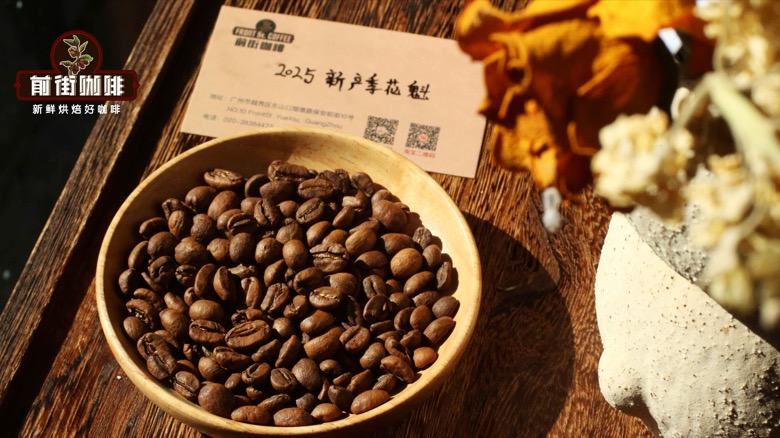
When selecting berry-flavored coffee beans, you can consider two main dimensions: “flavor preference” and “brewing difficulty.” The former caters to personal taste, while the latter relates to the effort involved in brewing. Light-roast beans with floral and fruity profiles may require more practice in adjusting pouring rhythm and grind size, but each tweak will be directly reflected in the cup. In contrast, medium-to-dark roast nutty blends are more low-maintenance and suitable for consistent results during busy times. For families or shared use, you might start with a balanced-flavor bean for everyone, then supplement with single-origin beans based on individual preferences. This approach offers more comparative value than buying multiple similar-flavor beans at once.
During the pour over process, it’s recommended to first fix the coffee-to-water ratio and total brew water volume as a baseline, then fine-tune the extraction direction by adjusting grind size. If you sense sharpness, it’s usually a sign of under-extraction—you can make the grind finer to extend the contact time between water and coffee. If you experience dryness or astringency, it may be a sign of over-extraction. In that case, reduce pouring agitation or shorten the brew time. Each adjustment should ideally involve only one variable to accurately assess its effect.
Finally, depending on different brewing equipment and flavor preferences, you might categorize your coffee beans into two types: one as stable everyday beans that are easy to brew without much risk of error, and the other as experimental beans specifically used to explore the citrus notes of Geisha or the herbal qualities of Mandheling. By aligning brewing methods with your personal flavor preferences, you can choose beans more purposefully and avoid aimless experimentation.
The above content is compiled by CoffeeHunters, a coffee news website.

