







Introduction:When your moka pot produces no coffee or the flow is extremely slow, in addition to checking your brewing process, the choice and adjustment of coffee beans are also key. This article delves into how to select suitable coffee beans according to seasonal changes and personal preferences, and provides practical extraction parameter suggestions to help you confidently handle various brewing issues and enhance the flavor expression of your coffee.
In the early stages of getting to know coffee beans, trying too many flavors at once is not advisable. A more stable approach is to choose a bean with a clear profile that suits different brewing methods, fixing the dosage, grind size, and water temperature, then gradually observing changes in taste, sweetness, and aftertaste. In this way, your ability to discern flavors can be gradually built up.
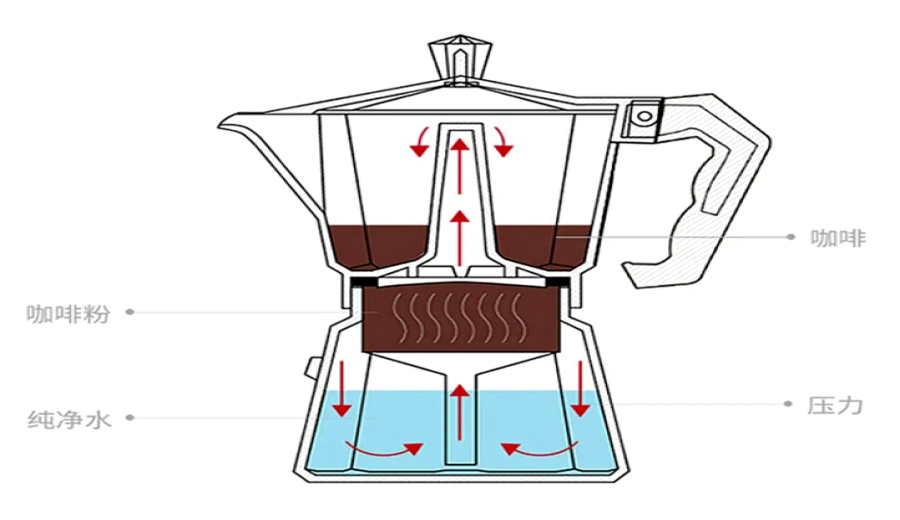
The moka pot operates by using steam pressure to extract coffee, so it’s only necessary to evenly spread the coffee grounds in the filter basket—there’s no need to tamp them down too firmly. It is recommended to use a grind size slightly coarser than that for espresso, with the water level referring to the scale markings on the pot or the lower edge of the safety valve, while keeping the coffee dosage consistent. When heating, use a low flame. Once you observe a steady flow of coffee with the color gradually lightening, remove the heat source immediately. This can effectively reduce the bitterness and burnt taste caused by over-extraction.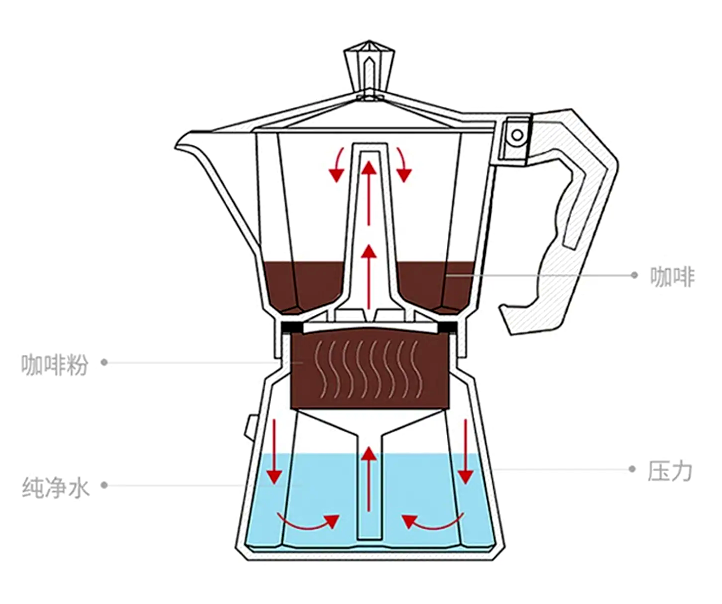
For issues such as “moka pot producing no coffee” or “abnormally slow flow,” you can start by analyzing from several angles: your preferred flavor type, commonly used brewing equipment, desired drinking temperature, and daily usage frequency. For beginners, it’s recommended to first clarify what matters most to you, then filter through other conditions. This way, you can retain your personal preferences while allowing the coffee beans to showcase distinct characteristics during actual brewing.
Taking a few common and easily accessible blends as examples: a certain brand’s dark cocoa blend has a strong profile of dark chocolate and roasted nuts, with full and stable sweetness and low acidity. Whether used for espresso, Americano, or with milk, it delivers good balance. A certain brand’s Papua New Guinea Bird of Paradise offers a clean and rounded mouthfeel, with soft sweetness, and an overall texture reminiscent of the legendary Blue Mountain coffee, making it highly suitable for those who prefer low acidity and overall balance. As for a certain brand’s PWN Indonesian Golden Mandheling, it combines herbal aromas with deep dark chocolate flavors, offering high body and subtle acidity, making it an ideal choice for dark roast lovers using the moka pot or for making Americano.
After purchasing beans, the roast date and storage environment will directly affect their flavor performance. It is recommended to keep them sealed as much as possible after opening, store them in a cool and dry place, and purchase according to daily consumption to better manage the flavor change cycle. When tasting, it is suggested to first smell the dry aroma, then sequentially experience the in-mouth flavors, sweetness, and aftertaste. If you find the aroma lacking, check first whether the grind size is appropriate or if the beans are past their optimal freshness period. Additionally, the same beans may perform differently when served hot, over ice, or with milk. It’s recommended to record their performance under different parameters multiple times, and the ideal cupping results will gradually become apparent.
It is recommended to first clarify your preferred flavor type and evaluate how much effort you’re willing to put into the brewing process—this will make bean selection smoother. For example, beans with floral and fruity aroma profiles usually require more attention to water temperature, grind size, and pouring rhythm; whereas blends based on nuts and cocoa are relatively stable and easy to handle, making them very suitable for everyday drinking. If you’re brewing for multiple people at home, you might first choose a well-balanced bean as the base, then add single-origin beans to satisfy individual preferences. This is easier for distinguishing differences than buying multiple beans of similar styles all at once.
In practice, the coffee-to-water ratio can refer to the pot’s capacity design, leveling off the surface of the coffee grounds is sufficient. If the extraction result is too bitter, you can first adjust the heat level and timing of removing from heat, or consider slightly increasing the grind size. Conversely, if the taste is too light, check whether the coffee dosage is sufficient and whether the rubber gasket is tightly sealed. This helps troubleshoot problems more effectively.
Daily utensils, drinking habits, or preferences are not fixed. It is recommended to divide your selected beans into two categories: one as a base option for everyday stable flavor, and the other as a variety option for trying new experiences—different fruit, nut, cocoa profiles, or processing methods. After fully understanding a bean’s characteristics, then try beans with different roast levels or processing methods. This contrast process will be more meaningful and can also help you gain a deeper understanding of the various profiles of coffee.
The above content is compiled by CoffeeHunters, a coffee news website.

