







Introduction:To brew coffee with an ideal flavor using a Moka pot, in addition to mastering the correct operation process, selecting the right beans is key. This article will guide you from scratch on how to use a Moka pot, analyze bean configurations based on different flavor preferences, and share practical brewing tips and storage advice. Whether you're enjoying a solo cup or serving guests, you can easily brew satisfying coffee.
The flavor profile of a cup of coffee is not just a contrast between acidity and bitterness, but a holistic experience composed of aroma, sweetness, body, mouthfeel, and aftertaste. When selecting coffee beans, you can first clarify whether you prefer floral and fruity notes, nutty and cocoa aromas, or overall balance, and then further match these directions to origin characteristics, processing methods, and roast levels.
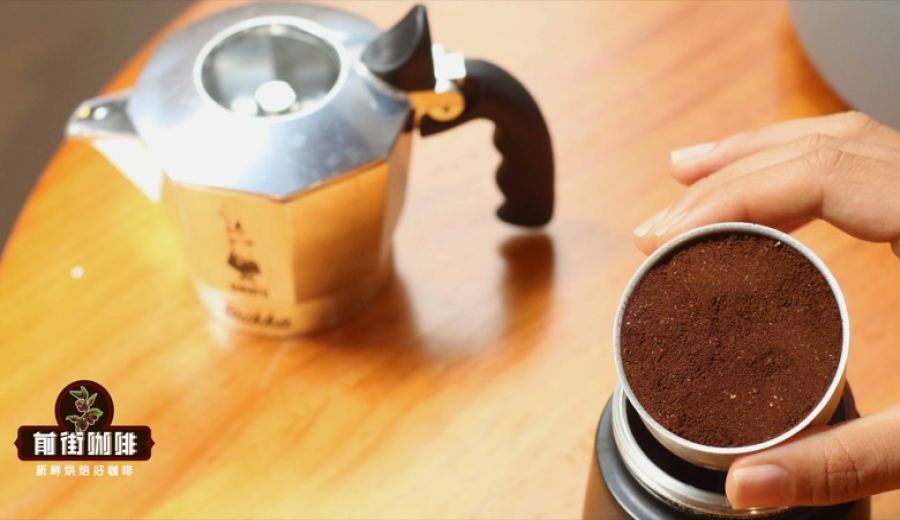
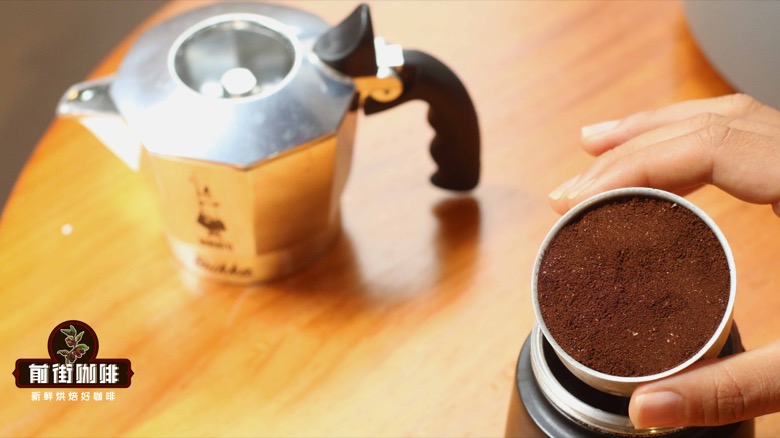
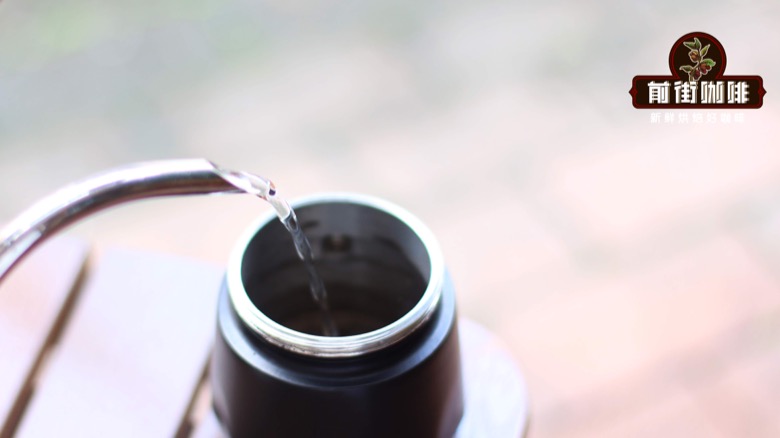
The core principle of the Moka pot lies in using steam pressure to extract the essence of coffee, so there's no need to tamp the coffee grounds forcefully—just ensure the filter basket is evenly filled. It’s recommended to grind slightly coarser than traditional espresso, and the water level should be according to the markings on the pot or kept below the safety valve to avoid excessive steam buildup. Maintain consistent coffee dosage before and after to ensure stable extraction. Use low heat when heating; once you see continuous coffee flow that gradually lightens in color, remove it from the heat immediately. This greatly reduces the bitterness and burnt, ashy interference caused by over-extraction.
For common questions like “How to use a Moka pot? Detailed steps,” you can break it down from several aspects: personal flavor preferences, types of equipment used daily, preferred drinking temperature, and daily coffee consumption frequency. If you start with flavor layers, first clarify whether you care most about fruity notes, sweetness, or body, then combine usage scenarios and equipment to make selections. This way, you can not only retain your personal taste preferences but also allow the coffee beans to display more distinct characteristics during actual extraction.
For example, a classic blend from a well-known coffee brand has pronounced nutty and cocoa aromas with a caramel-like sweetness. Its rich and full-bodied profile performs steadily whether used for espresso, Moka pot brewing, or even making everyday milk coffee. Another dark cocoa blend features dark chocolate and roasted nuts as its main notes, with a solid sweetness and low acidity, suitable for various applications such as espresso, Americano, and milk coffee. If you prefer low acidity and balanced taste, consider coffee beans from Papua New Guinea’s Paradise Bird region, which offer a clean and rounded flavor with gentle sweetness, and an overall texture close to Blue Mountain-style coffee—ideal for those who enjoy milder profiles.
After determining your flavor direction, the roast date of the beans and how they are stored are also important factors affecting extraction performance. It’s recommended to seal the coffee beans properly after opening and store them in a cool, dry, and light-proof environment. Purchase an amount that matches your daily consumption needs so you can more keenly observe how the beans change over time. Before extraction, take a moment to smell the dry aroma, and after tasting, pay attention to the changes in sweetness and aftertaste. If the aroma seems weak, check whether the grind is too coarse or if the beans have been stored for too long. Additionally, the same beans may present very different profiles when used for hot drinks, iced coffee, or milk coffee. It’s advisable to record each brewing parameter to gradually discover your ideal cup profile.
It’s worth noting that flavor preferences and the level of hands-on involvement can actually be considered separately. For instance, beans with pronounced fruity and floral aromas usually require more precise control over water temperature, grind size, and pouring rhythm, making them relatively harder to master. In contrast, blends with nutty and cocoa profiles tend to perform more stably and are suitable for quick daily brewing. If you have multiple people drinking at home, it’s recommended to first choose a balanced base bean and then pair it with different single-origin beans according to personal preferences. This not only adds fun for comparison but is also more practical than buying multiple beans with similar styles at once.
Purchasing coffee beans is just the first step in the overall coffee experience. How you store and use them afterward will also greatly affect the cup’s outcome. It’s recommended to seal opened beans and store them in a cool, dry place away from direct sunlight and moisture, and to buy amounts that match your daily consumption rate. This way, you can clearly perceive the subtle changes in the beans’ flavor over time. Before each extraction, judge the bean condition by sniffing the dry aroma, and while tasting, pay attention to whether the sweetness and finish meet expectations. If the aroma isn’t prominent, first check whether the grind is too coarse or if the beans have been open for too long. The same beans can show vastly different flavors when used for hot drinks, iced coffee, or with milk—so it’s recommended to meticulously record each brewing condition. Over time, you’ll naturally find the cup combination that suits you best.
If the equipment, brewing method, and flavor preferences you use daily often change, you might consider dividing your coffee bean list into two main categories: “Everyday Staples” and “Exploration Picks.” The former ensures you have a reliably good cup every day, while the latter allows you to experience the allure of different fruity, nutty, cocoa, or special processing methods. Start by making a preliminary selection based on flavor direction, then delve deeper into comparing the aroma and taste details of each bean. Your final choices will better align with real-life needs and personal taste.
The above content is compiled by CoffeeHunters, a coffee news website.

