







Introduction:Want to brew great coffee with a moka pot? Selecting the right beans is just the first step. From grind size and water temperature to flame control, every detail affects the final flavor. This guide will help you choose the most suitable single-origin or blended coffee beans for your moka pot based on personal preference and usage habits, and share practical extraction parameters and adjustment tips, so you can easily brew rich, aromatic coffee.
Using the same coffee beans, extraction methods such as pour over, espresso machine, and moka pot yield vastly different flavor profiles: pour over highlights bright aromas and clear layers, the espresso machine delivers intense sweetness, while the moka pot requires precise control over pressure, flame, and coffee bed distribution. When selecting coffee beans, it’s essential to match them with the characteristics of the brewing device and adjust parameters according to roast level.
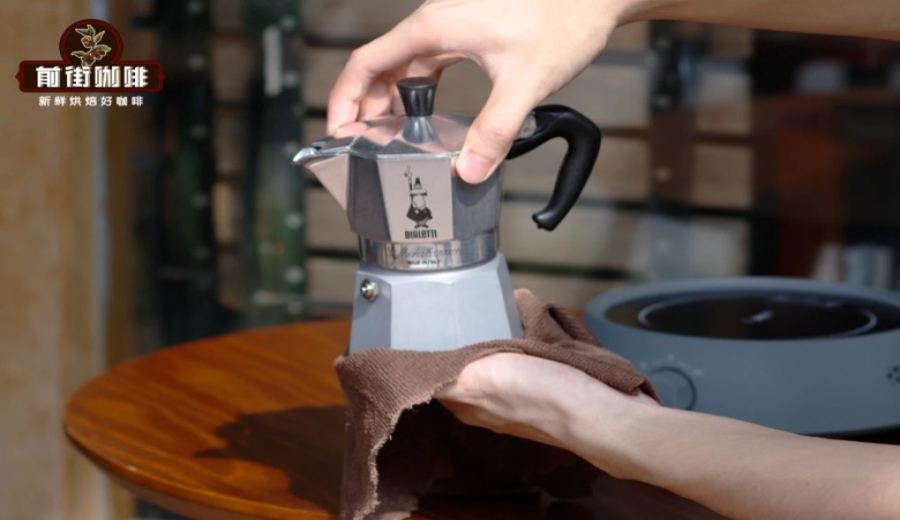
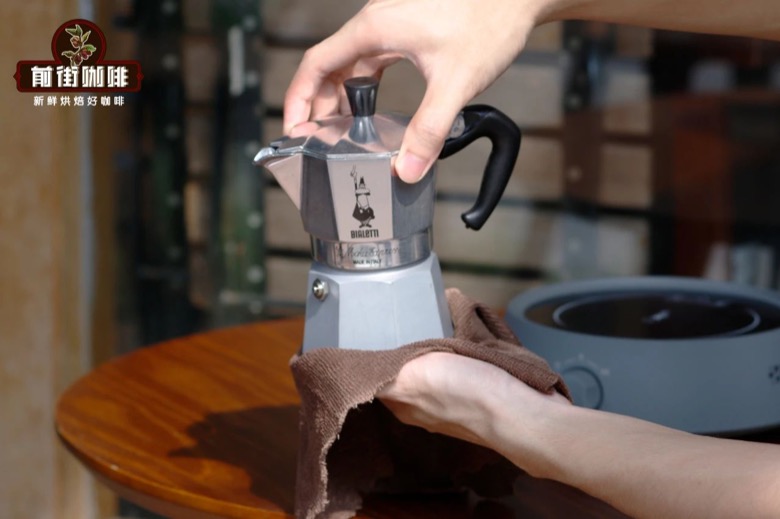
The moka pot is a steam-pressure extraction tool. When filling the coffee grounds, simply ensure the filter basket is evenly covered—there’s no need to tamp firmly. It’s recommended to use a grind slightly coarser than that for espresso. The water level should be according to the markings inside the pot or just below the safety valve, and the amount of coffee should remain consistent. Use low heat throughout the process. Once the coffee begins to flow continuously and the color starts to lighten, immediately turn off the heat. This helps reduce the burnt bitterness caused by high temperatures.
If you’re looking for “single-origin coffee beans suitable for the moka pot,” consider several aspects: your personal flavor preferences, commonly used brewing devices, desired drinking temperature, and daily usage frequency. It’s best to first clarify the extraction elements that matter most to you, and then use those as a basis to filter other conditions. This way, not only can you retain your personal taste preferences, but you can also allow the beans to showcase their unique flavor characteristics in real-world use.
Take the single-origin beans from Brazil’s Queen Estate as an example. Their flavor profile combines mild acidity with notes of nuts, cocoa, and caramel sweetness. Whether brewed via pour over, espresso machine, or moka pot, they deliver a smooth and mellow mouthfeel. Additionally, classic blends often center around nuts, cocoa, and caramel, offering both strength and body, making them widely versatile—from espresso machines and moka pots to milk-based coffee drinks. As for dark cocoa blends, they excel in intense dark chocolate and roasted nut flavors, with solid sweetness and low acidity, performing well whether as espresso, Americano, or milk coffee.
Observing the state of coffee beans can be done by assessing dry aroma, flavor upon tasting, and aftertaste. If the aroma is underwhelming, possible reasons include a grind that’s too coarse or beans that have been stored for too long. It’s recommended to seal the bag tightly after opening, store in a cool, dry place, and purchase according to your daily consumption to better track flavor changes. Also, the same beans can taste different when served hot, over ice, or with milk. It’s advisable to record several sets of extraction parameters and gradually find the cup profile that suits you best. Don’t forget to check the roast date when purchasing—freshness has a significant impact on flavor.
When selecting beans, first distinguish between “flavors you like” and “flavors you can handle.” Beans with prominent fruity or floral notes require more precise control over water temperature, grind size, and pouring rhythm, which may demand more practice for beginners. In contrast, blends with nutty and cocoa flavors are generally more stable and suitable for everyday drinking. If your household has diverse tastes, it’s recommended to start with one balanced-flavor bean as a base, then explore single-origin beans to satisfy individual preferences. This approach is more conducive to comparison than buying multiple beans with similar profiles at once.

For moka pot beginners, it’s advised to initially adjust the coffee-to-water ratio based on the pot’s capacity—just fill the coffee layer evenly without overly compacting it. If the extraction turns out too bitter, try lowering the flame, stopping the brew earlier, or adjusting the grind to a slightly coarser setting. If the flavor is too light, check whether the coffee amount is sufficient or if the rubber gasket is sealing properly. In daily use, you might categorize beans into two types: one for consistent everyday brewing, and another for trying out various fruity, nutty, cocoa flavors or processing methods. After fixing the coffee amount and water volume, it’s best to adjust only one variable at a time to better discern the inherent flavor characteristics of the beans.
The above content is compiled by CoffeeHunters, a coffee news website.

