







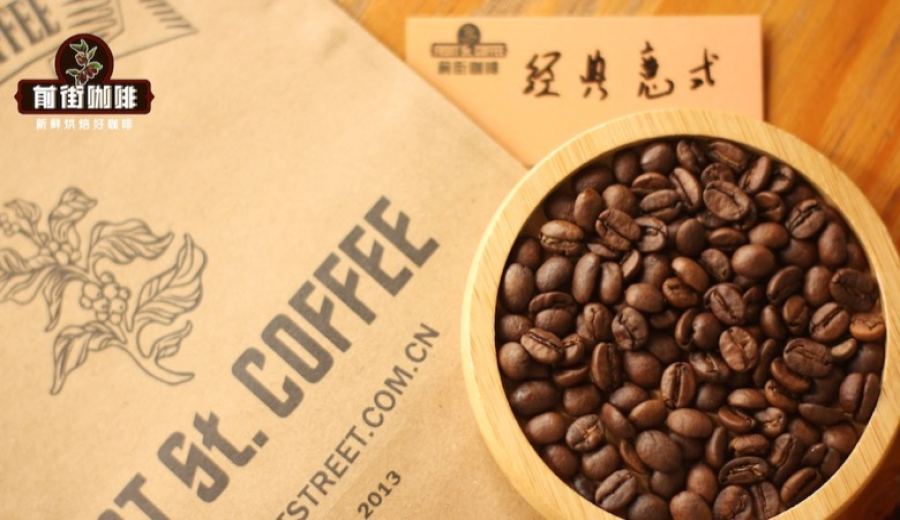
Introduction:Choosing between an Italian-style blend or an SOE (Single Origin Espresso) is a common dilemma for every coffee enthusiast. This article will help you clarify the characteristics and suitable scenarios of both from practical perspectives such as flavor preference, commonly used equipment, and brewing conditions. It also provides key parameters and suggestions for stable extraction and flavor expression, enabling you to make the most suitable choice based on your own needs.
The flavor of coffee is not just a contrast between acidity and bitterness, but is shaped by multiple elements such as aroma, sweetness, body, mouthfeel, and aftertaste. Therefore, when selecting an Italian-style blend or an SOE, it is recommended to first clarify whether you prefer floral and fruity notes, the richness of nuts and cocoa, or a balanced flavor in between. Then, further refine these directions through origin, processing method, and roast level.
In the espresso system, variables such as dose, grind size, yield, and time are a set of factors that require constant fine-tuning. Generally speaking,blends, which combine beans from different origins and processing methods, are more likely to present a stable base of nutty, chocolatey, or caramel tones, making them suitable as the foundation for milk-based coffee; whileSOEs can more clearly showcase the unique aromas and layers of acidity and sweetness from a single origin, making them ideal for users who enjoy distinctly expressive flavors.
When facing the question of "how to choose between an Italian-style blend and an SOE," it is recommended to approach it from several practical aspects: including personal taste preferences, commonly used brewing equipment, temperature settings during drinking, and daily coffee consumption. If you first clarify what matters most to you—whether it’s a rich and full-bodied milk coffee texture or clear and identifiable origin characteristics—you can more accurately select the bean variety that suits you.
For example, a Colombian Geisha from a certain coffee brand exhibits distinct tropical fruit aromas such as passion fruit, blueberry, grape, and apricot, with a juicy profile. Whether used for iced pour over, cold drip, or as an SOE, it can display a clear fruity character.Meanwhile, another well-known estate’s Panamanian Emerald Green Label Geisha is anchored by jasmine, bergamot, citrus, and black tea notes, with an overall clean and delicate mouthfeel, suitable for savoring its layered changes slowly.
If you use a light-roasted bean for pour over, such as a certain brand’s Yirgacheffe Guji Dingding, you can clearly perceive citrus, berries, floral notes, and a green-tea-like aftertaste; but if you switch to cold brew, the acidity will be relatively softer, suitable for drinkers who enjoy a refreshing taste without sacrificing flavor. However, to allow any coffee bean to perform at its best,the storage environment after opening is crucial. It is recommended to maintain basic conditions of being sealed, cool, and dry, and to purchase according to your daily consumption to ensure that each brew delivers a consistent flavor.
During actual extraction, you can start by sensing the dry fragrance, then pay attention to the sweetness upon entry, the expression of acidity, and the continuity of the aftertaste. If the aroma is not prominent, it may be due to overly coarse grinding or the beans being stored for too long. Additionally, the same bean can perform very differently in hot drinks, iced drinks, and when milk is added. It is recommended to record its performance under different parameters and gradually find your own ideal “cup flavor.”
Flavor preference and the level of involvement in brewing can actually be considered separately. If you prefer beans with floral and fruity profiles, you often need to control factors such as water temperature, grind size, and pouring rhythm more precisely; whereas if you want a more hassle-free daily drink, blends with nutty and cocoa tones are usually the more stable choice. If you’re brewing for a family with multiple users, it is advisable to start with a well-balanced blend and then gradually add single-origin beans with different characteristics based on personal preferences. This makes it easier to distinguish the differences between each type of bean.
It is recommended to usea 1:2 coffee-to-water ratio as the standard cupping proportion, then adjust based on actual taste experience: if the acidity is too prominent, you can extend the extraction time or slightly increase the water temperature; if bitterness or astringency is noticeable, you can shorten the extraction time or adjust to a coarser grind. When using an espresso machine, these two main directions—adjusting extraction time and grind size—are usually the core parameters for optimizing flavor expression.
Since equipment, drinking habits, and taste preferences may change over time, it is recommended to categorize beans into “everyday stable options” and “exploratory trial options.” The former ensures a consistent and reliable coffee experience, while the latter allows you to experience variations in origin, processing method, or roast style. Start by narrowing down your choices based on flavor direction, then compare the aroma and taste among candidate beans. This selection process will be more practical and effective.
The above content is compiled by CoffeeHunters, a coffee news website.

