







Introduction:Selecting coffee beans suitable for pour over involves balancing flavor preferences, equipment characteristics, daily consumption volume, and budget planning. This article explores core elements such as origin, processing method, and roast level to guide you in choosing beans based on your personal needs. It also analyzes how key parameters—such as pouring technique, grind size, and water temperature—affect flavor, helping you find an ideal choice that balances aroma and taste.
The same coffee bean can present a completely different flavor profile when brewed using a pour over device, an espresso machine, or a moka pot. Pour over highlights the layers of aroma and clarity, espresso machines emphasize the richness and sweetness of the shot, while the moka pot requires precise balance among pressure, heat, and coffee bed thickness. The type of equipment directly influences bean selection, while the roast degree determines the foundational settings for brewing parameters.
The flavor expression of pour over coffee is shaped by the origin, variety, processing method, roast depth, and brewing parameters of the coffee beans. Light roast beans typically release pronounced floral and fruity notes, while medium roast emphasizes sweetness and a rich body. The speed of pouring, the coarseness of the grind, and the water temperature all rearrange the sequence of aroma release. Judging flavor based solely on the bean name is often not accurate enough.
If you want to select “coffee beans suitable for pour over,” it’s recommended to break down your needs into four dimensions: flavor preference, commonly used equipment, drinking temperature, and daily frequency. First clarify the most important factor to you (such as fruitiness, sweetness, or consistency), then use other criteria to assist in selection. This approach retains your personal preferences while allowing the beans to showcase distinctive characteristics during brewing.
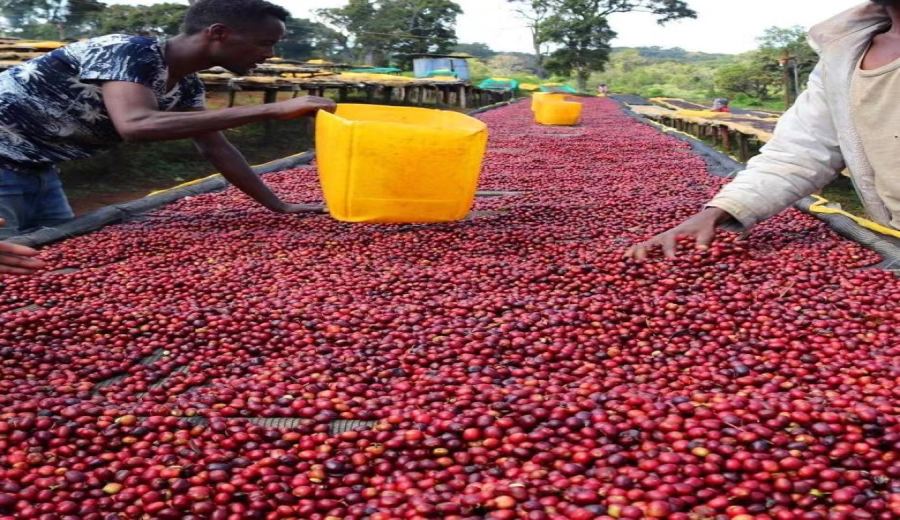
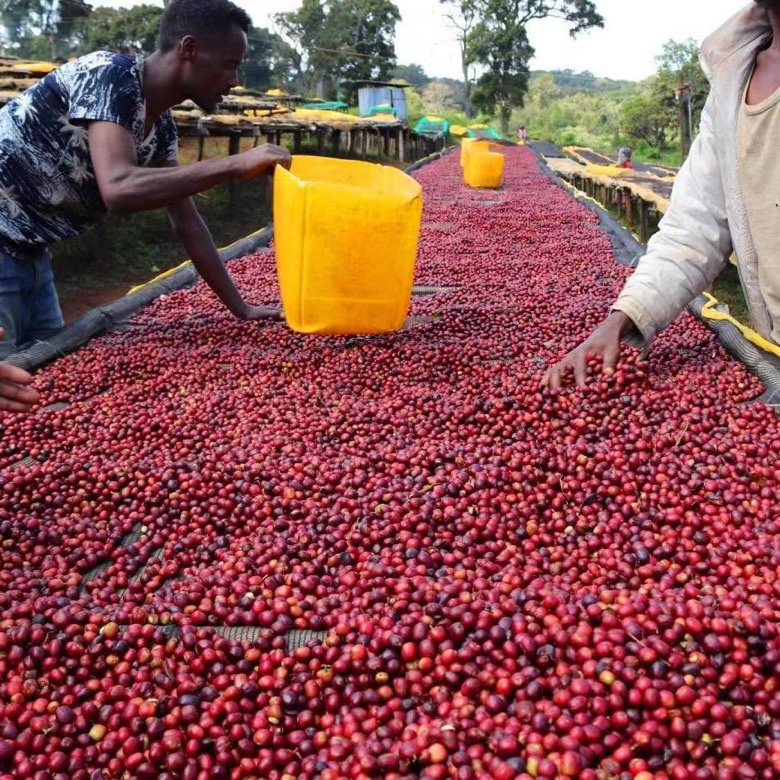
For example, sun-dried beans often carry intense tropical fruit notes — a certain coffee shop’s Granja La Esperanza Geisha is a typical example. Its aroma unfolds layer by layer with orange blossom, guava, apricot, and strawberry jam, all clearly distinguishable in a pour over.Another bean from the same shop, Colombian Sidra, stands out for its juice-like qualities of passionfruit, blueberry, grape, and apricot. Its aroma is especially prominent when prepared as cold pour over, cold drip, or as a SOE (Single Origin Espresso).The shop’s Panamanian Emerald Estate Red Label Geishaopens with jasmine, transitions into bergamot and citrus notes, and finishes with a hint of black tea. It has a clean and delicate mouthfeel, making it ideal for slow, mindful sipping.
Besides flavor, the roast date and storage method of the beans are equally crucial. After opening, it is recommended to store them sealed in a cool, dry place, and purchase only as much as your daily consumption requires. This allows you to better appreciate the flavor changes. When brewing, start by sniffing the dry aroma, then taste the sweetness and aftertaste. If the aroma is lacking, check whether the grind is too coarse or the beans have been stored for too long. The same beans will present different flavors when served hot, iced, or with milk. It’s advisable to record a few rounds of parameter adjustments to gradually find the best combination suited to your own equipment.
A reasonable balance should be struck between flavor pursuit and the effort put into brewing. Beans with bright fruity profiles usually require more precise control over water temperature, grind size, and pouring technique. In contrast, nutty and cocoa-toned blends excel in daily consistency and are easier to handle. If multiple people in your household drink coffee, consider starting with one well-balanced bean as a base option, then adding single-origin beans based on individual preferences. This is more conducive to comparing differences than buying several beans of similar styles all at once.
At the beginner stage of pour over, it’s recommended to first fix the brew ratio and total water volume, then explore different flavor expressions by adjusting the grind size. If you experience sharpness in the cup, it may indicate under-extraction. If there’s a dry or astringent sensation in the finish, reduce agitation or end the extraction earlier. Adjusting only one variable at a time is the fundamental technique for mastering pour over parameter tuning.

If your equipment, habits, or taste preferences change over time, you can manage your beans under two categories: “daily drinking” and “exploration.” The former ensures stable output, while the latter is for trying out different fruit, nut, or cocoa tones, as well as various processing methods. Begin by fixing the dose and water volume, then make small adjustments to a single parameter each time. This way, the true flavor of the beans will be easier to capture.
The above content is compiled by CoffeeHunters, a coffee news website.


