







Introduction:Choosing the right medium-roast coffee beans is the first key step to brewing a great-tasting pour over. This article starts with the characteristics of roast levels, analyzing how medium roast balances sweetness, body, and aroma, and provides practical bean selection strategies to help you find the most suitable pour over beans based on your daily drinking scenarios, equipment, and flavor preferences. It also shares tips on adjusting brewing parameters and storage advice to ensure you get the best out of your coffee every time you brew.
To brew a cup of coffee with balanced flavors and distinct layers, starting with the right roast level is crucial. Especially for beginners or everyday drinkers, medium-roast coffee beans are often the most approachable and easiest to showcase their characteristics. Compared to light roast, which has intense floral and fruity notes but is more sensitive to brewing variables, medium roast offers more stable sweetness, body, and aroma, making it suitable for various brewing methods and taste preferences.
Selecting medium-roast coffee beans suitable for pour over shouldn’t be based solely on the bean name or origin, but rather on your actual drinking scenarios. Do you want a black coffee to energize you in the morning? Or do you prefer a milder flavor to go with breakfast? Maybe you enjoy the ritual feel of pour over during a relaxing afternoon? Different usage situations will influence your preferences for flavor, grind size, and extraction parameters. Taking these factors into account can help you more accurately narrow down the beans that meet your needs.
The flavor profile of medium-roast coffee beans is characterized by noticeable sweetness and moderate body, while still retaining a certain level of aromatic complexity. Compared to the pronounced floral and fruity acidity often found in light roast, medium roast emphasizes smoother notes like caramel, nuts, and chocolate, and allows for easier expression of different facets through adjustments in water temperature, grind size, and pouring rhythm. Whether you’re using a manual dripper or an AeroPress, medium roast beans can deliver consistent extraction performance.
When choosing medium-roast coffee beans suitable for pour over, it’s recommended to evaluate from the following aspects: the flavor types you value most (such as fruitiness, nuttiness, or caramel sweetness), the brewing equipment you commonly use (like V60, Chemex, or French press), your preferred drinking temperature (hot or iced), and your daily consumption frequency. Based on these criteria, you can gradually narrow down your options to find the beans that best match your personal taste and lifestyle. For example, if you mostly drink hot coffee, you might prioritize beans with more pronounced flavors; if you prefer iced pour over, look for beans with bright acidity and outstanding sweetness.
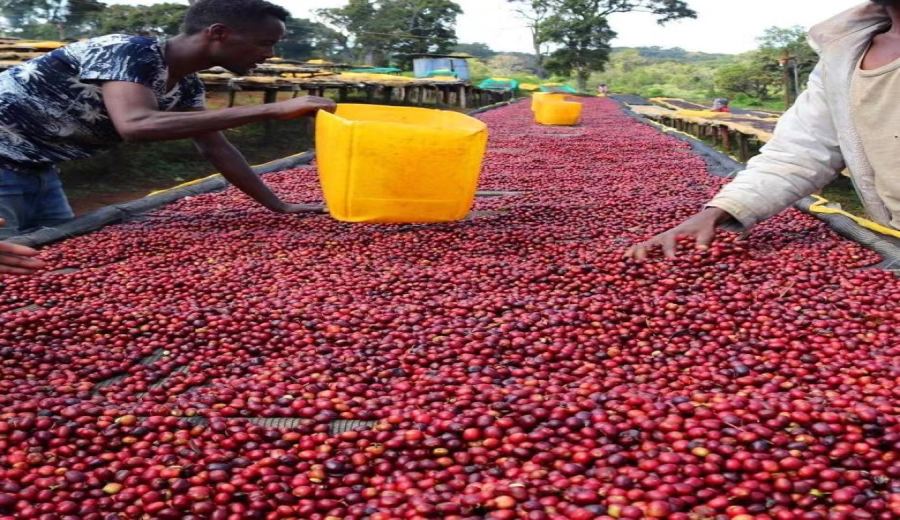
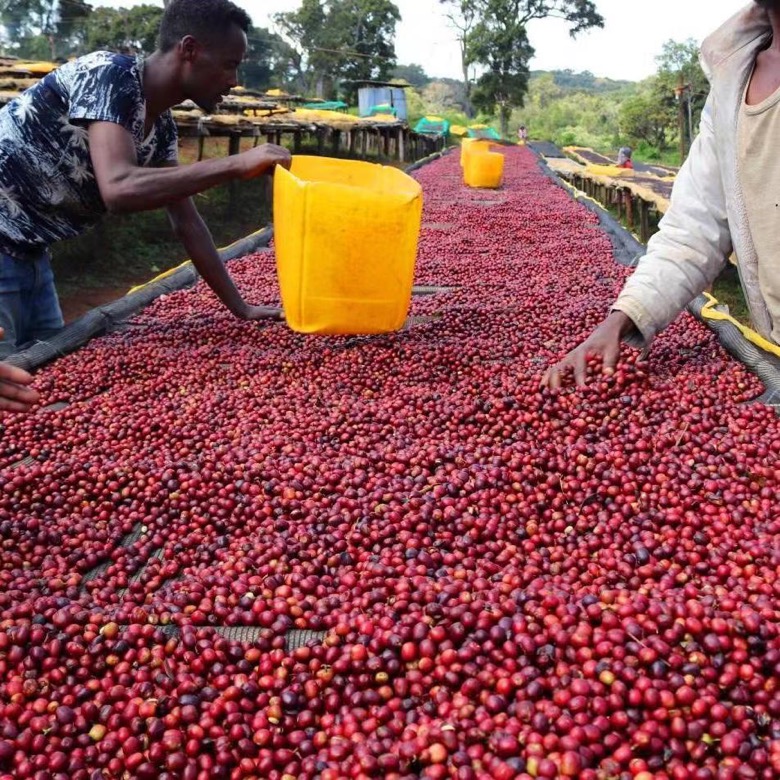
Many well-known roasters offer medium-roast beans that are popular among pour over enthusiasts. For instance, some beans sourced from high-altitude regions, carefully processed with medium roast profiles, often exhibit harmonious flavors of citrus, honey, and malt—smooth on the palate with a clean, refreshing finish. Additionally, processing methods greatly affect the final outcome. For example, medium-roast beans processed with natural sun-drying or honey processing often have richer sweetness, ideal for those who enjoy fruity profiles; whereas washed-process medium roast beans typically showcase clearer acidity and a cleaner aftertaste.
Once opened, coffee beans gradually change in flavor over time. To maintain optimal freshness, it’s recommended to store them in an airtight container in a cool, dry place and purchase only as much as you need for daily use. Observing how beans perform at different stages is also part of improving your brewing skills. During extraction, start by smelling the dry aroma, then experience the sweetness, acidity, and aftertaste in the cup. If you notice a lack of aroma, it could be due to overly coarse grind or prolonged storage. Moreover, the same beans may taste very different when brewed hot, iced, or with milk—recording results under different parameters can help you identify your ideal brewing method.

The beans you “like” aren’t necessarily the easiest to “brew well,” a common misconception among many beginners. Beans with bright fruity and floral profiles often require more precise control over water temperature, grind size, and pouring rhythm, demanding higher brewing skills; whereas medium-roast beans leaning toward nutty and cocoa tones are generally more forgiving and easier to consistently extract balanced flavors, making them suitable for daily drinking. If your household has diverse taste preferences, consider choosing a neutral-flavored medium roast as your base bean, then adding single-origin beans with different flavor profiles based on individual preferences. This way, you can satisfy varied tastes while also making comparisons and adjustments easier.
During the pour over process, it’s recommended to first fix the coffee-to-water ratio and total brew water volume, using grind size as the main variable. If the flavors in the cup come across as sharp or lack roundness, it may signal under-extraction; if a dry or astringent sensation appears toward the end, consider reducing agitation or shortening the contact time between coffee grounds and water. By making gradual, single-variable adjustments, you can better understand how each parameter actually impacts flavor, avoiding confusion caused by altering multiple factors at once.
Finally, if your equipment, drinking habits, or flavor preferences evolve over time, consider categorizing your beans into two main types: “daily staples” and “exploration varieties.” The former ensures you can easily brew satisfying coffee every day, while the latter lets you explore different origins, processing methods, or flavor characteristics. Integrating considerations of equipment type, brewing method, and flavor preferences can make your bean selection strategy clearer and allow you to continually discover new joys in the pour over experience.
The above content is compiled by CoffeeHunters, a coffee news website.


