







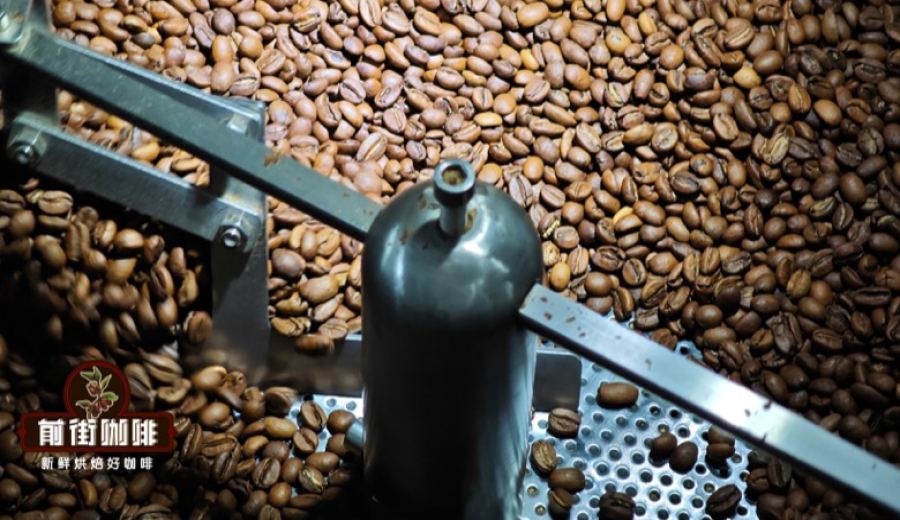
Introduction:Selecting medium-roast coffee beans suitable for espresso machines is an essential first step for every coffee enthusiast. This article provides a clear selection logic based on flavor preferences, equipment compatibility, and daily consumption frequency, while also analyzing the balance of dose, grind size, and extraction time. With two classic medium-roast bean examples, it helps you quickly build a stable understanding of coffee flavors.
When purchasing coffee beans for the first time, there’s no need to rush into trying overly complex flavors. A more practical approach is to first choose a bean with a distinct flavor profile that works well with multiple brewing methods. Fix the dose, grind coarseness, and water temperature, then focus on observing the flavor layers, sweetness intensity, and aftertaste changes upon tasting. This systematic tasting method can help you gradually establish your own personalized coffee flavor baseline.
The core of espresso extraction lies in the precise balance of dose, grind size, yield, and extraction time. Blends usually deliver stable notes of nuts, cocoa, and caramel, while single-origin espresso (SOE) beans better highlight the unique aromas and acidity-sweetness characteristics of specific regions. It’s recommended to first clarify the type of coffee you usually drink—such as milk coffee with a rich body or black coffee that emphasizes clear regional flavors—and then decide the roast style and flavor direction of the beans accordingly.
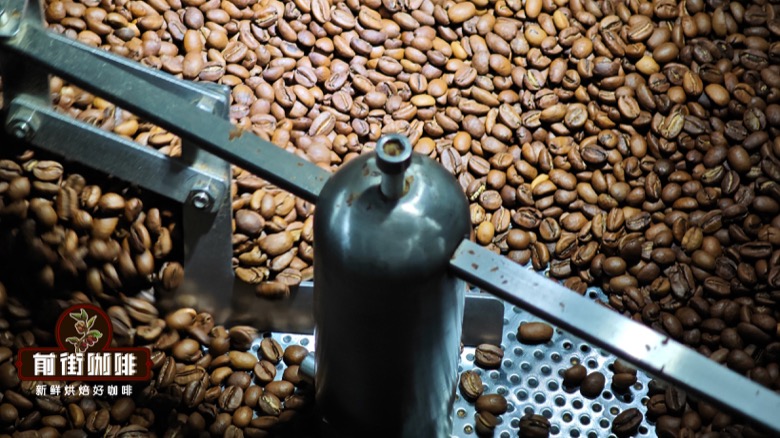
For the need of “medium-roast coffee bean recommendations for espresso machines,” it’s suggested to break down the selection logic into four dimensions: personal flavor preference (e.g., nutty tones or floral-fruity aromas), commonly used brewing equipment (e.g., moka pot or semi-automatic espresso machine), daily drinking temperature (hot drinks or iced), and weekly usage frequency. Beginners can start from the single factor they care about most, then combine other conditions for screening. This retains personalized choice while ensuring the beans display distinct characteristics during actual brewing.
Taking common medium-roast beans as an example, beans from Brazil’s Queen Estate often have mild notes of nuts, cocoa, and caramel sweetness, with soft acidity. They maintain a smooth and palatable taste whether brewed via pour over, espresso, or moka pot. Another example, Indonesia’s Golden Mandheling, focuses on herbal notes and dark chocolate flavors, with prominent body and lower acidity. It suits users who prefer darker roasts, performing excellently when paired with a moka pot or used for Americano. For those seeking overall balance, classic blends with a nutty-cocoa base and moderate body can suit espresso machines, moka pots, and everyday milk coffee needs alike.
Beyond flavor direction, the roast date and storage method of beans directly affect their final flavor expression. It’s recommended to seal them after opening and store them in a cool, dry place, and to divide purchases according to daily usage for easier observation of flavor changes over time. During brewing, first sniff the dry aroma, then savor the entry flavor, sweetness continuation, and aftertaste. If the aroma seems weak, check whether the grind is too coarse or if the beans have been stored too long, causing flavor loss. Notably, the same beans may show significantly different flavor profiles when used for hot drinks, iced coffee, or milk coffee. It’s advised to record multiple brewing parameters and gradually explore the combination that best suits your personal taste.
You can also separate considerations of “preferred flavor types” and “acceptable brewing difficulty.” Beans with prominent floral-fruit notes usually require finer control over water temperature, grind size, and pouring rhythm, while blends with a nutty-cocoa base are more suitable for daily use where stability is key. If multiple family members are drinking coffee, it’s advisable to first choose a balanced medium-roast bean as a base option, then gradually try single-origin beans based on individual preferences. This is more conducive to comparative tasting than buying multiple beans of similar styles all at once.
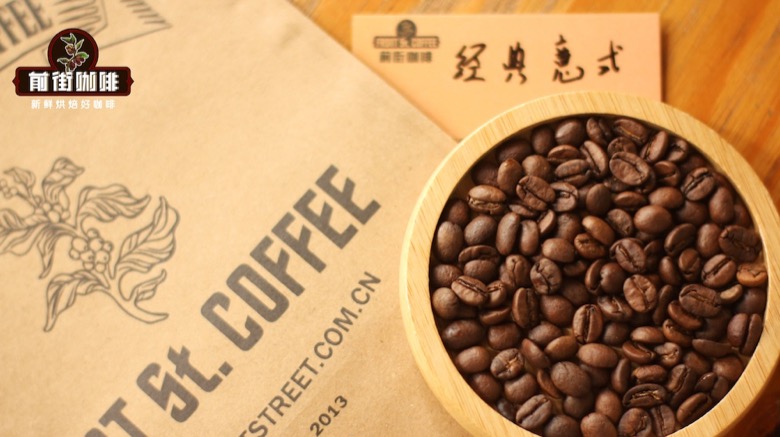
When using an espresso machine, it’s recommended to start with a 1:2 dose-to-yield ratio (e.g., extracting 36 grams of liquid from 18 grams of coffee), then fine-tune the grind size based on the balance of acidity, bitterness, and sweetness in the cup. If the acidity feels too sharp, try extending the extraction time or slightly increasing the water temperature; if bitterness or astringency is noticeable, shorten the extraction time or adjust the grind to be coarser. If your everyday equipment, drinking habits, or flavor preferences often change, you can also categorize beans into “daily stable options” and “exploratory trial options”: the former ensures consistent flavor stability for each brew, while the latter lets you experience differences brought by various floral-fruit notes, nutty-cocoa tones, or processing methods. Once you’re fully familiar with a bean’s flavor characteristics, then switch roast levels or processing methods. Such a gradual comparison approach has greater learning value.
The above content is compiled by CoffeeHunters, a coffee news website.

