







Introduction:To brew a balanced and smooth cup of coffee with a moka pot, precision is key — from bean selection to grinding. This article will delve into the essential parameters for using a moka pot, including grind size, coffee-to-water ratio, and heat control, and recommend practical bean options based on different flavor preferences. Whether you’re a beginner or a seasoned moka pot user, you’ll learn how to adjust brewing conditions according to the tool’s characteristics to achieve a more satisfying cup.
Using the same coffee beans across different brewing methods often results in distinctly different flavor profiles. Pour over highlights aroma layers and clarity of taste, espresso machines emphasize richness and sweetness balance, while the moka pot requires a balance of steam pressure, heating intensity, and evenness of the coffee bed. When choosing coffee beans, one must consider the tool’s traits, and brewing parameters should also be flexibly adjusted according to roast level.
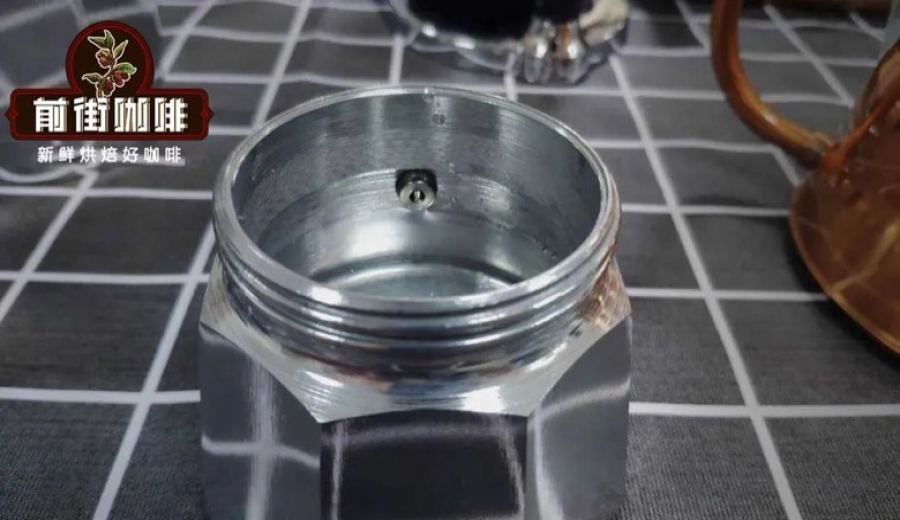
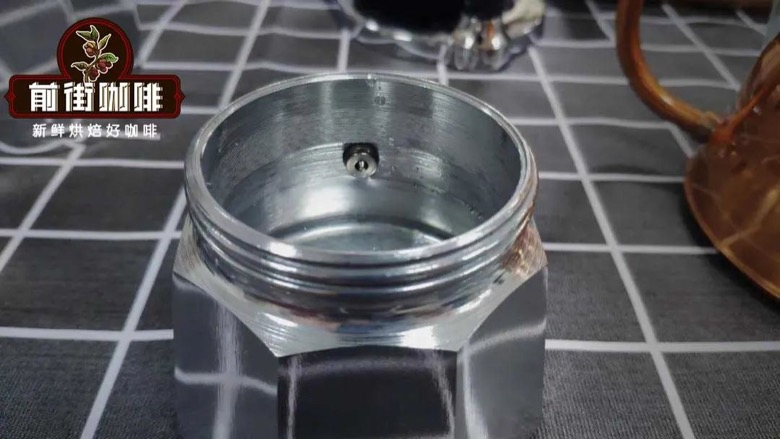
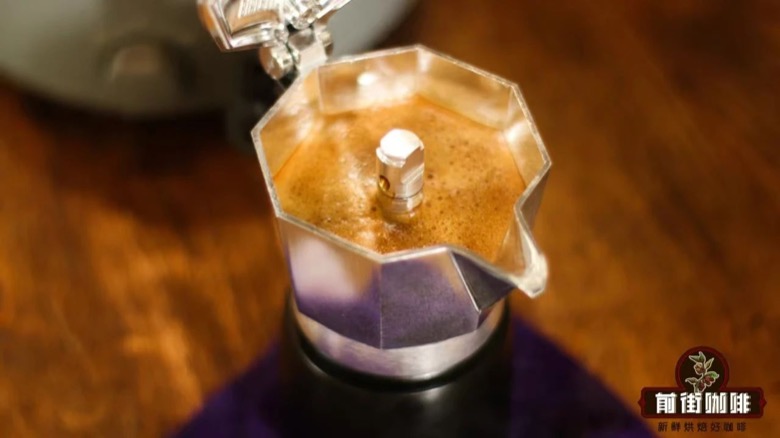
The moka pot is a traditional brewing device that uses steam pressure. Simply fill the filter basket with evenly distributed coffee grounds — there's no need for high-pressure tamping as with espresso machines. It is recommended to grind slightly coarser than espresso-specific grind, roughly between fine and coarse sugar. Fill water up to the marked line on the pot or just below the safety valve. Keep the coffee amount consistent without frequent changes. Use low heat during brewing, and once you observe a steady flow of coffee with the color gradually lightening, remove the heat source immediately — this helps reduce the burnt bitterness caused by overheating.
For the common question “What grind size is suitable for a moka pot?”, it’s advisable to break it down by considering several aspects: personal taste preference, the characteristics of the equipment you usually use, the serving temperature of the coffee, and how often you brew daily. By clarifying the most important extraction factors for you, and then filtering based on other conditions, you can both preserve your unique drinking style and allow the coffee beans to showcase distinct flavor features during actual brewing.
Taking common commercial blends as examples: a brand’s Black Cocoa blend delivers intense dark chocolate and roasted nut notes, along with a full-bodied sweetness and low acidity, making it suitable for espresso-based drinks, Americanos, or milk-based beverages. The same brand’s Papua New Guinea Bird of Paradise offers clean, rounded, and soft sweetness, with an overall flavor profile reminiscent of the legendary Blue Mountain style, ideal for those seeking low-acid and balanced taste. Another offering, the brand’s PWN Indonesian Golden Mandheling, is known for its herbal, dark chocolate, and full-bodied characteristics, with moderate acidity, especially suited for dark roast lovers and those who frequently use moka pots or brew American-style coffee.
Beyond flavor direction, the roast date and storage method of coffee beans also significantly affect the final outcome. After opening, it’s best to store them properly sealed in a cool, dry place, and purchase according to your daily consumption to help track flavor changes in real time. Before brewing, you can first smell the dry aroma, then carefully evaluate the flavors upon tasting, the sweetness, and the aftertaste. If the aroma is noticeably weak, check whether the grind is too coarse or if the beans are past their prime. Additionally, the same beans may present different profiles when used for hot drinks, iced drinks, or with milk — keeping records of multiple experimental parameters can often help you gradually find your optimal brewing combination.
You can also separate considerations between “preferred flavor type” and “acceptable brewing difficulty.” Beans with prominent fruity or floral notes often require more precise control over water temperature, grind size, and pouring rhythm, whereas blends leaning toward nutty and cocoa flavors are better suited for everyday use where consistency is key. If you have a large household or diverse tastes, it’s wise to start with a balanced, neutral-flavored bean as your base option, and then gradually explore other single-origin beans based on personal preference. This approach allows for clearer comparisons compared to buying multiple beans of similar styles all at once.
For coffee-to-water ratio, it’s recommended to first adjust according to the capacity specifications of your moka pot, using a flat coffee bed as a good baseline. If the taste turns out too bitter, consider reducing the heating power, removing the heat source earlier, or slightly adjusting the grind to be coarser. If the flavor seems too light, recheck whether the coffee amount is sufficient and whether the pot’s sealing ring is functioning well.
If your everyday equipment, drinking habits, or flavor preferences change, you can categorize beans into “daily stable options” and “exploration options”: one provides consistent results, while the other lets you experience the surprises brought by fruity notes, nutty profiles, or different processing methods. It’s suggested to first fix the coffee amount and water volume, then adjust one variable at a time — this makes it easier to discern the true flavor characteristics of the coffee beans themselves.
The above content is compiled by CoffeeHunters, a coffee news website.

