







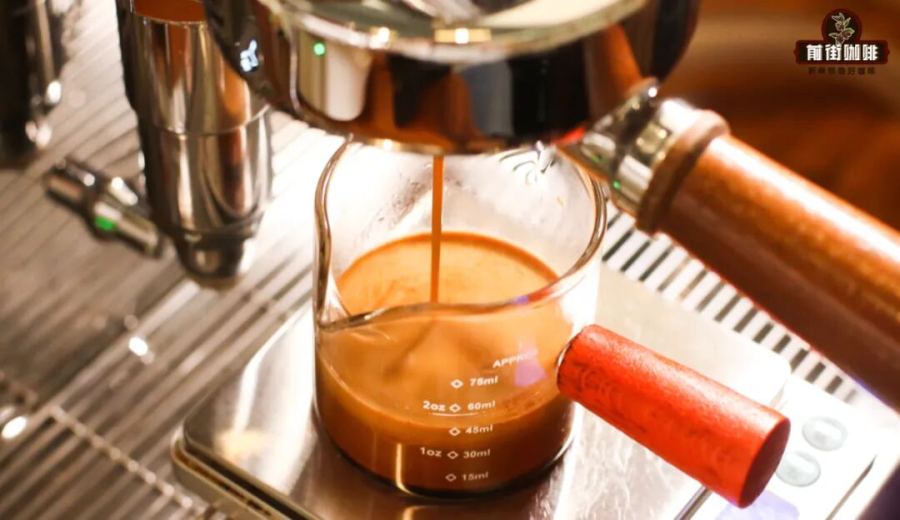
Introduction:When brewing espresso, water temperature is often overlooked but is one of the key factors that influence coffee flavor, crema, and flow rate. This article will delve into how water temperature affects extraction efficiency, flow performance, and crema texture, and provide professionally recommended extraction temperature ranges. This will help you flexibly adjust based on dose, grind size, and recipe to brew more balanced and layered coffee.
When discussing espresso extraction parameters, we often focus on variables such as dose, ratio, grind fineness, extraction time, and pressure. At the same time, operational details like dosing, distributing, tamping, and even locking in the portafilter also receive considerable attention. However, the variable of water temperature is rarely explained in detail. This is not because it is unimportant, but because the temperature control systems of many espresso machines are relatively complex to calibrate. As a result, many shop owners or home baristas choose to fix the water temperature and then adjust other parameters to achieve the desired extraction results.
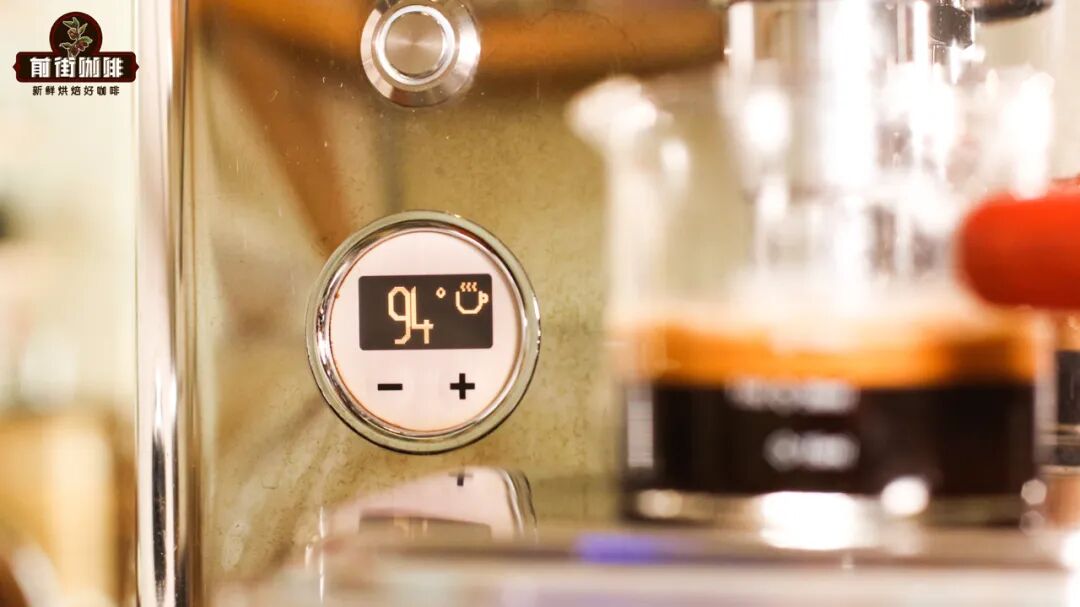
As advanced techniques like pressure profiling become more common, water temperature control has also started to become a dynamic parameter affecting coffee performance. But unlike pour over coffee, slight changes in water temperature during machine extraction often have a more significant impact on the overall extraction. How exactly does water temperature influence the quality of espresso? Let’s analyze it from multiple aspects.
First, water temperature has a direct and significant impact on extraction efficiency. Simply put, the higher the water temperature, the better the extraction efficiency — aromatic compounds, acidity, and sweetness components in the coffee can be dissolved more quickly. Conversely, if the water temperature is too low, extraction efficiency decreases, and some flavor compounds may not be fully released, resulting in a thin or dull taste. Therefore, mastering an appropriate water temperature range is the first step to ensuring balanced flavors.
In addition to affecting extraction efficiency, water temperature also significantly alters the flow rate of the coffee — commonly referred to as “drawdown speed.” With all other parameters unchanged, the higher the water temperature, the slower the flow of coffee tends to be; when the water temperature is lower, the flow rate is relatively faster. This phenomenon is actually closely related to the expansion state of the coffee puck and the speed of gas release.
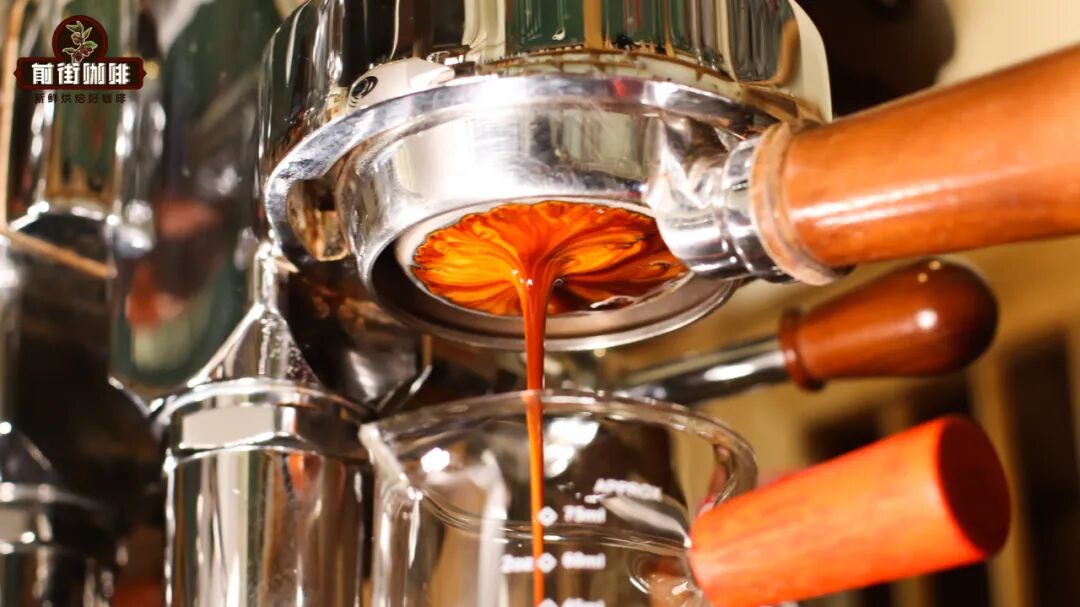
When the water temperature is higher, the coffee puck heats up rapidly and expands quickly, while the carbon dioxide trapped inside is also released at an accelerated rate. These gases are usually encapsulated by coffee oils, forming tiny bubbles that hinder the passage of water, thereby slowing down the overall flow rate. In contrast, if the water temperature is insufficient, the puck does not expand enough and gas is not fully released. The gaps between coffee particles are larger, offering less resistance to water flow, which naturally leads to a faster flow rate. This is also one of the reasons why, when the machine has just been turned on and the water temperature has not yet fully risen (around 60°C), we often observe an unusually fast flow rate.
To better understand this process intuitively, you can try a low-temperature extraction test during the machine’s warm-up phase. You’ll find that not only is the flow rate faster, but the overall aroma and crema thickness are often less than ideal. Through hands-on experimentation, you’ll gain a clearer understanding of the real effects of water temperature changes.
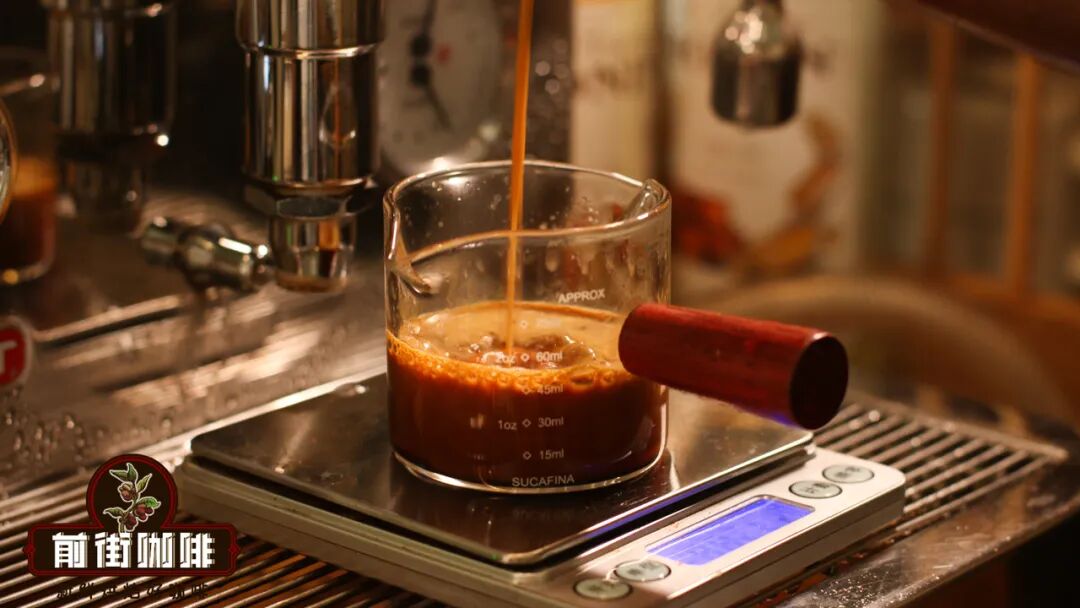
Additionally, water temperature directly affects the richness of espresso crema. Since carbon dioxide is a key component of crema, and its release rate is closely tied to water temperature, under the same grind and recipe conditions, extraction at a higher water temperature usually yields a richer, denser crema. Conversely, crema extracted at a lower temperature may be thinner, with noticeable differences in both appearance and tactile feel.
In summary, water temperature plays a role in at least three key aspects of espresso extraction: extraction efficiency, flow performance, and crema texture. So, what is the most suitable water temperature for extracting espresso?
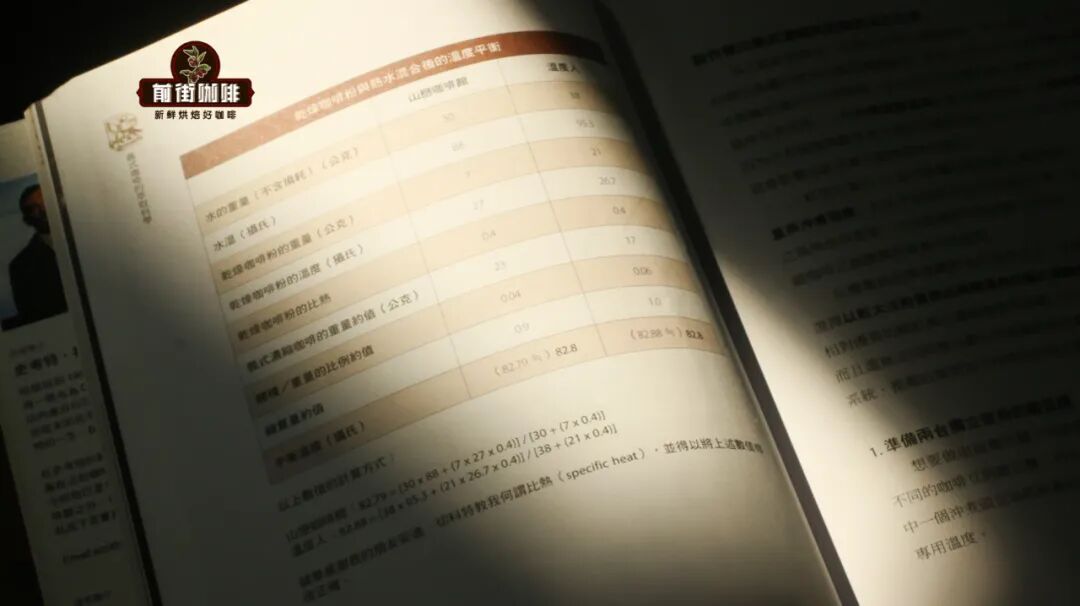
In fact, similar to the logic mentioned in our article “What Water Temperature Makes the Best-Tasting Coffee?”, the optimal water temperature is not fixed but needs to be adjusted comprehensively based on parameters such as your dose, ratio, grind size, and extraction time. For example, the book "The Science of Espresso Extraction" once pointed out an interesting comparison: Italian baristas often prefer to use water temperatures between 85°C and 91°C for espresso extraction, while American baristas tend to use a range of 92°C to 96°C. This difference mainly stems from variations in powder-to-water ratio, extraction time, and grind settings — for instance, a common Italian practice is to extract about 30 milliliters (1 ounce) of espresso using 7 grams of coffee, whereas Americans often prepare the same volume using 18–21 grams of coffee. These parameter differences naturally affect the choice of optimal water temperature.
Of course, if you wish to simplify the process, you can also choose to fix the water temperature within a suitable range and then make fine adjustments to other parameters to achieve ideal extraction results. Generally speaking, most espresso machines are pre-set at around 92°C to 96°C, a range that is already quite suitable for most standard espresso recipes (e.g., a 1:2 powder-to-liquid ratio, with an extraction time of 25–35 seconds). As long as your equipment is set within this range, frequent water temperature adjustments are usually unnecessary.
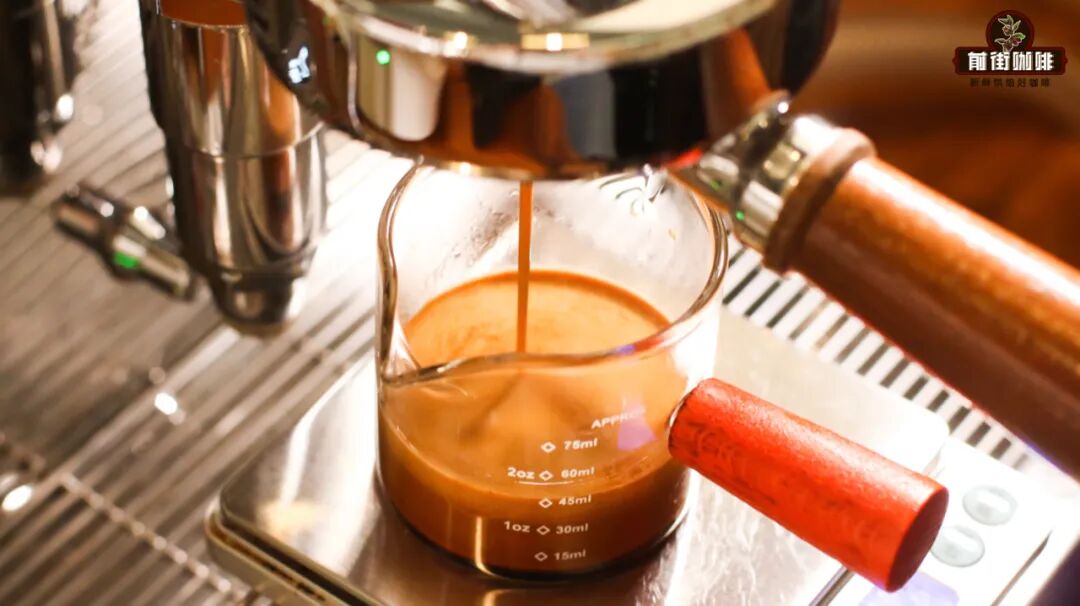
It is recommended that after setting your dose, grind, and ratio, use this temperature range as a base, and then adjust grind fineness or fine-tune extraction time and beverage weight to easily brew espresso with balanced flavors and layered complexity. However, it’s important to note that the “water temperature” we typically set on the machine panel is actually the temperature of the hot water inside the boiler. Since water passes through pipes and a shower screen during delivery, it inevitably cools down a few degrees due to heat exchange. Therefore, the actual extraction water temperature that contacts the coffee grounds is often slightly lower than the displayed value.
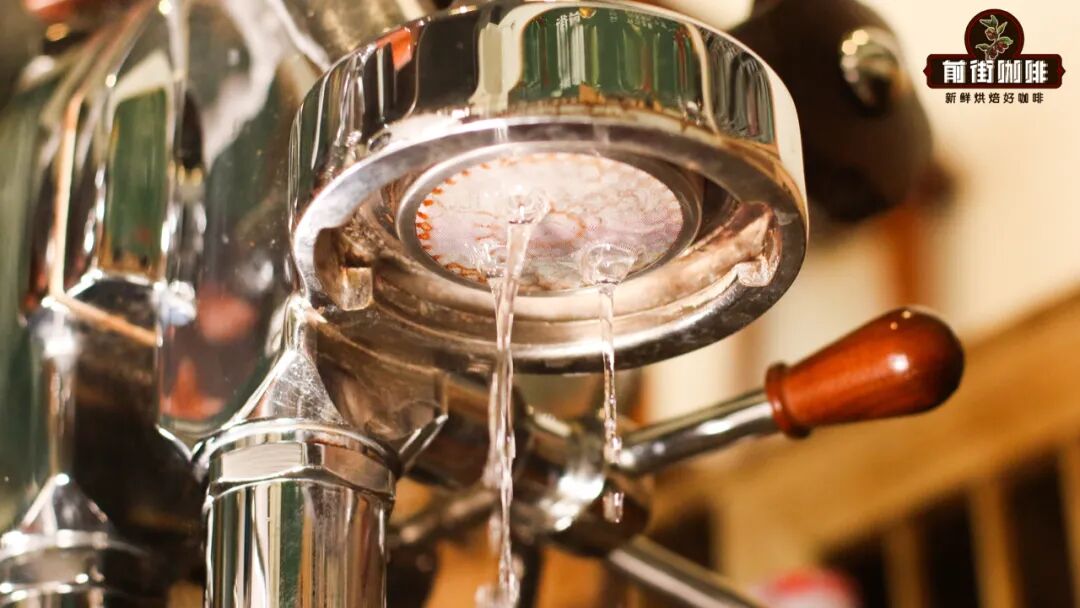
Especially in cases where the espresso machine has not been used for a long time and the pipe temperature has cooled down, the gap between actual water temperature and the set value may be even more pronounced. To avoid extracting with excessively low water temperature, it is recommended to run a blank shot of hot water before brewing. This not only helps you calibrate the actual water temperature but also cleans the shower screen, removing residual coffee grounds and impurities, ensuring stable and pure extraction every time.
The above content is compiled by CoffeeHunters, a coffee news website.


