







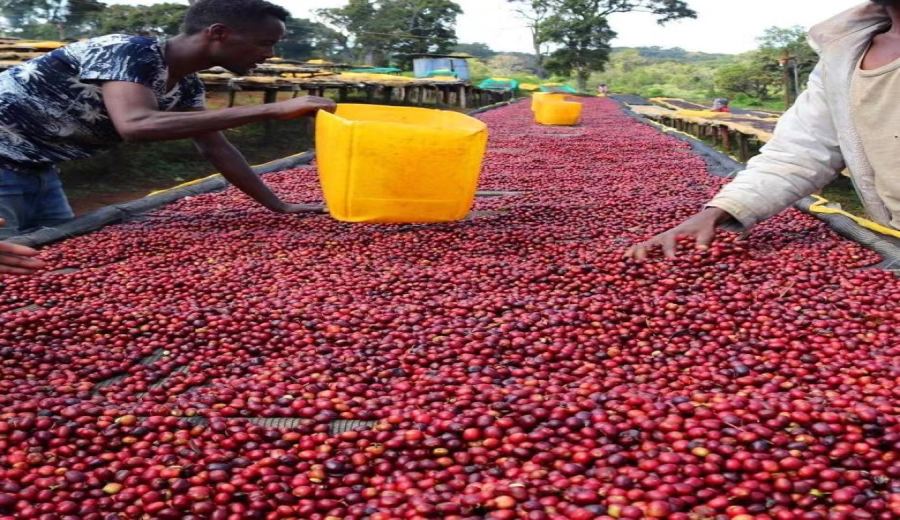
Introduction:Different roast levels of coffee beans can significantly affect the flavor profile and extraction rhythm of pour over coffee. This article analyzes the flavor direction from light to dark roasts, recommends beans suitable for hand grinding, and shares techniques for adjusting parameters such as water temperature and grind size to help you find the beans that best match your personal taste.
Roast level is one of the decisive factors influencing coffee flavor. Light roasts typically retain more floral and fruity aromas with bright acidity—lively and clearly layered; medium roasts balance acidity, sweetness, and bitterness, delivering a caramel-like sweetness and moderate body; dark roasts focus on the rich flavors of nuts and cocoa, with a solid aftertaste and lingering finish. These styles are not about superiority or inferiority, but rather about which aligns with your drinking preference.
The flavor presentation of pour over coffee is the result of the combined effects of origin, variety, processing method, roast level, and brewing parameters. For example, light-roasted beans often exhibit citrus or berry tones, while medium-roasted beans highlight a more prominent sweetness and body. But don’t rely solely on bean variety names to judge flavor—water temperature, grind coarseness, and pouring rhythm can all alter the sequence of aroma release. Even the same coffee may perform very differently when served hot versus iced.
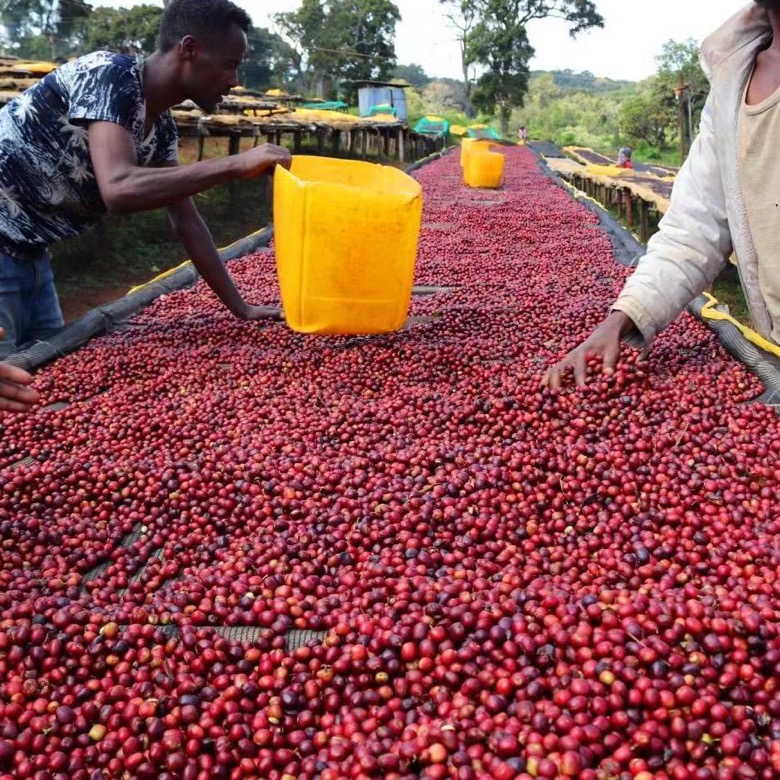
If you’re looking for “recommended coffee beans for hand grinding,” it’s advisable to filter by four dimensions: your preferred flavor type (e.g., fresh fruity or rich chocolatey), commonly used brewing devices (e.g., V60 or AeroPress), drinking temperature (hot/iced), and daily usage frequency. First identify the most important criterion (such as prioritizing bright acidity), then narrow down based on other needs. This way, you can preserve individual characteristics while allowing the beans’ traits to fully shine during brewing.
Taking a few common pour over beans as examples: a certain brand’s Kaffa Forest usually offers notes of orange, ripe apricot, and oolong tea with a lingering sweetness, featuring a light body where the sweetness becomes more pronounced as the temperature slightly drops; a certain brand’s Granja La Esperanza Geisha highlights orange blossom, guava, apricot, and strawberry jam aromas, with the natural processing bringing rich layers, making it ideal for observing flavor changes through pour over; a certain brand’s Colombian Sidra is bursting with passion fruit, blueberry, grape, and apricot juice-like notes, whether brewed as iced pour over, cold drip, or as a single-origin espresso, it can accentuate vivid aromas.
Beyond flavor direction, the roast date and storage method of the beans are equally crucial. Freshly roasted coffee beans (typically with the best flavor window being 7–21 days post-roast) should be kept as sealed as possible after opening, stored in a cool, dry place. It’s recommended to purchase according to daily consumption to easily track flavor changes. During brewing, first smell the dry aroma (the scent after grinding), then evaluate the balance of acidity, sweetness, and bitterness in the cup, the intensity of sweetness, and the persistence of the aftertaste; if the aroma seems lacking, it could be due to too coarse a grind or the beans being stored for too long.

The same beans may also present differences under different brewing methods—hot drinks may emphasize floral and fruity tones, iced drinks bring out crisper acidity, and adding milk highlights a richer body. After recording several brewing parameters (such as water temperature, grind size, and coffee-to-water ratio), you’ll usually find a flavor combination that suits you better. Additionally, you can separate “favorite flavors” from “brewing difficulty you can tolerate”: beans with prominent fruity notes often require more precise control of water temperature (usually 88–92°C for light roasts), grind size (finer, around medium-fine to fine), and pouring rhythm (pouring in stages); whereas nutty and cocoa-style blends have higher tolerance for parameter variations, making them more suitable for daily drinking with consistent results.
If multiple people in your household have different drinking habits, you can prepare two types of beans: one as a daily stable base option (such as a balanced medium roast), and another for exploring different flavors (such as a light roast with fruity notes or a dark roast with chocolatey tones). Once you determine your preferred roast direction, fine-tuning through adjustments in grind size, water temperature, and extraction time is usually more efficient than frequently switching beans.
During actual brewing, it’s recommended to first fix the coffee-to-water ratio (e.g., 1:15–1:16) and total water volume, using grind size as the main adjustment parameter. If the taste feels sharp (possibly under-extracted), try adjusting to a finer grind or extending the pouring time; if the tail end exhibits dryness or astringency (possibly over-extracted), then reduce stirring or shorten the contact time between coffee grounds and water. Change only one variable at a time, gradually finding the optimal balance point.
The above content is compiled by CoffeeHunters, a coffee news website.

