








Introduction:Bed management is one of the key factors influencing the flavor of pour over coffee, yet it is often overlooked by beginners. This article delves into the principles behind bed formation and management methods, teaching you how to adjust coffee dosage, pouring techniques, and blooming methods to create a uniformly extracted coffee bed. Avoiding channeling and enhancing the coffee’s complexity and balance will help you brew smoother, more enjoyable pour over coffee with ease.
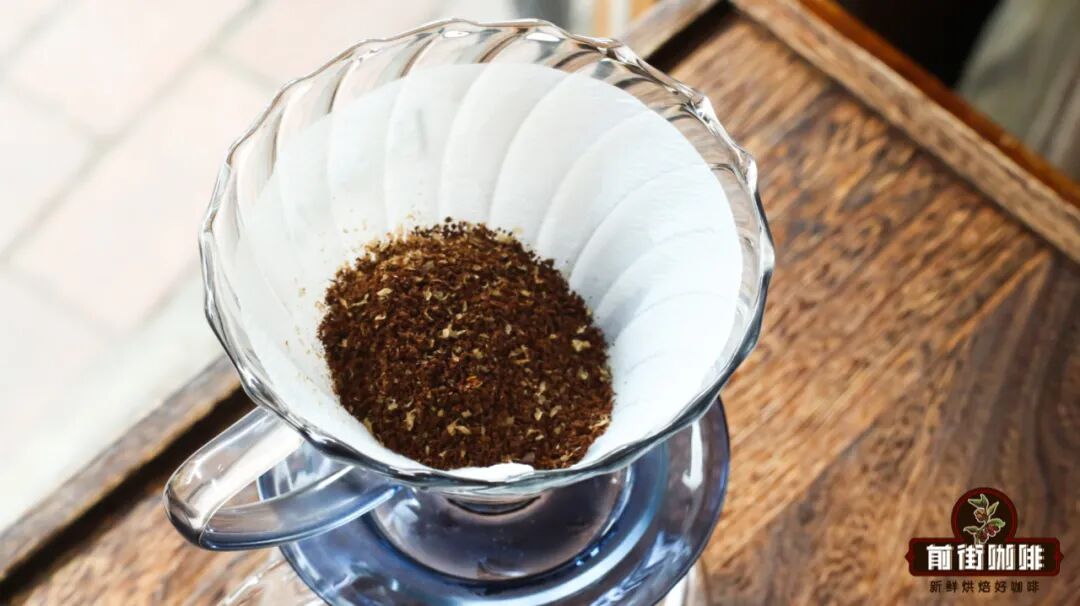
Many coffee enthusiasts venturing into advanced pour over techniques have surely heard the term “bed management.” Many beginners may initially wonder, what exactly is the coffee bed? In fact, the coffee bed refers to the accumulated structure of ground coffee formed when you pour the ground beans into the filter cone. During the pouring process, this bed changes gradually due to water flow and absorption, taking on various forms—such as the common central depression or pit, which results from the influence of water flow on the bed.
The so-called bed management involves controlling the distribution, thickness, and pouring method of the coffee grounds to maintain a stable and uniform state throughout the extraction process. This ensures that every coffee particle is properly extracted by hot water, avoiding over-extraction or under-extraction, thereby enhancing the overall flavor performance of the coffee.
Why is bed management so important? It’s because only about 30% of the substances in coffee beans are water-soluble, and among these, there are both pleasant compounds such as acids, sweetness, and body, as well as undesirable components that may bring bitterness, off-flavors, or astringency. Uneven extraction can easily lead to the over-release of these negative elements, ruining the taste of the coffee.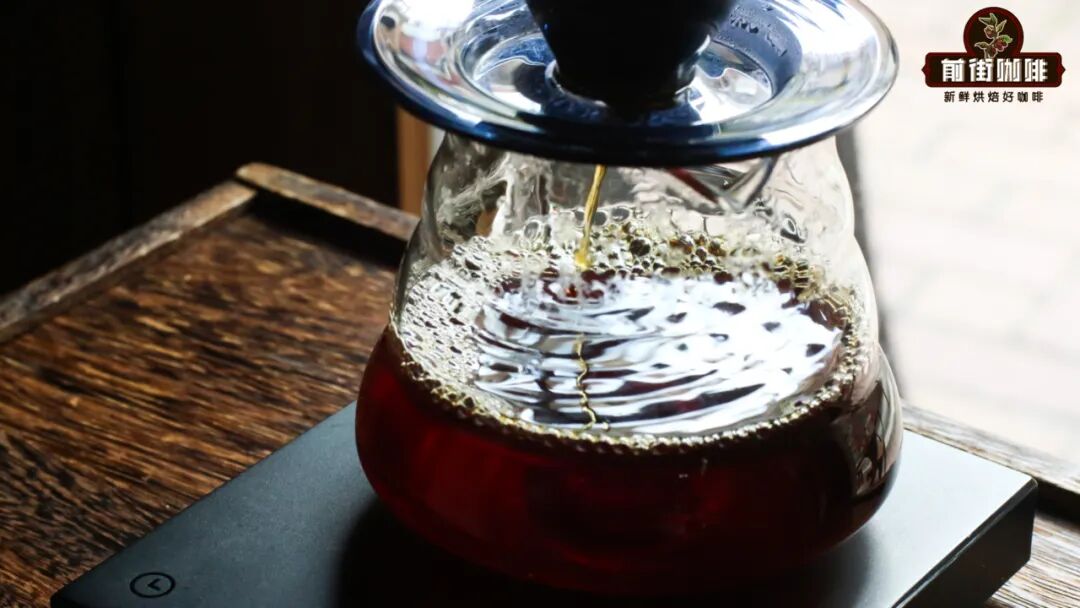
Especially as water flows through the coffee bed, due to the inertia of water, hot water tends to choose the path of least resistance, resulting in what is called “channeling.” Once this occurs, water concentrates and flows through looser areas of the bed, causing those spots to be over-extracted, releasing excessive unwanted flavors; meanwhile, other areas receive insufficient water flow, failing to fully release their aroma and sweetness. Ultimately, this leads to a cup of coffee that is both bitter and thin, with imbalanced flavor.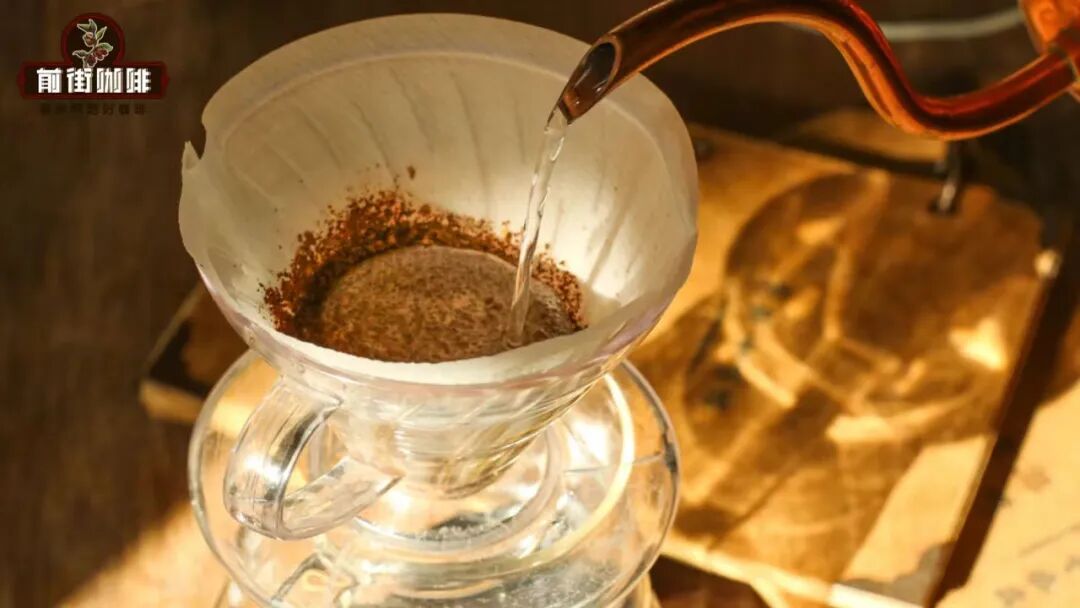
To prevent this, good bed management is crucial. Our goal is to allow hot water to evenly penetrate the entire bed, giving each coffee particle an equal chance of extraction. Below, we’ll introduce several practical bed management techniques to help you brew better-tasting pour over coffee.
First is managing the thickness of the coffee bed. Different filter cone designs have recommended coffee dosage ranges. For example, the V60 size 01 typically works best with 15–20 grams of coffee. This recommended dosage isn’t just based on experience—it’s derived from a comprehensive assessment of the cone’s flow rate design, rib structure, and extraction efficiency. The amount of coffee directly affects bed thickness, which in turn impacts water flow speed and contact time.
When the dosage is higher, the bed is thicker, and it takes longer for water to penetrate. If other parameters remain unchanged, this may lead to over-extraction. Conversely, too little coffee causes water to flow too quickly, often resulting in under-extraction. Therefore, if you want to maintain stable extraction quality, it’s advisable to start with the filter cone’s recommended dosage range and then make fine adjustments according to personal taste preference.
The second technique is “raising the coffee wall.” When the coffee bed is thicker due to higher dosage, the surface coffee particles often extract more efficiently because they are exposed to hot water earlier and experience faster flow rates; whereas the bottom particles face slower flow and higher concentration, resulting in relatively lower extraction efficiency. This difference can lead to uneven extraction between the upper and lower layers.
To improve this situation, you can increase the pouring flow rate during brewing, allowing the surface coffee particles to adhere to the inner wall of the filter cone as the water level rises, forming a sort of “coffee wall.” This way, subsequent pours can be focused directly at the center of the cone, extracting the bottom particles more efficiently and evening out the extraction levels between the top and bottom, resulting in a more balanced overall flavor.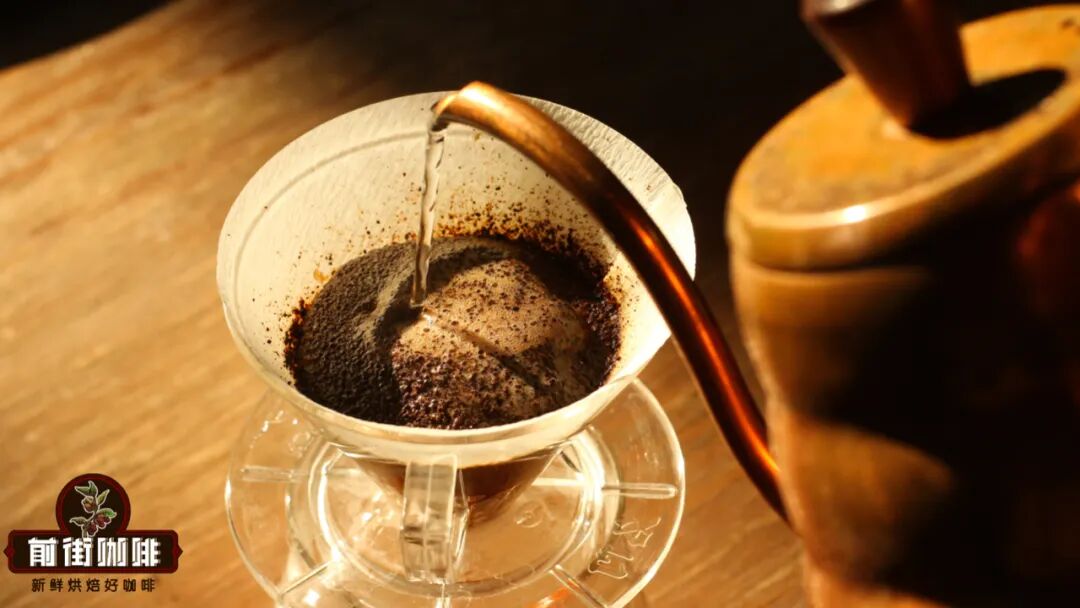
The third practical method is the “blooming pinhole technique.” Before starting the main pour, gently create a small hole in the center of the coffee bed, and during the blooming stage, focus the hot water into this hole. This shortens the path for water to reach the bottom particles, allowing them to be evenly heated and absorb water, aiding more thorough degassing and pre-wetting, further improving overall extraction uniformity.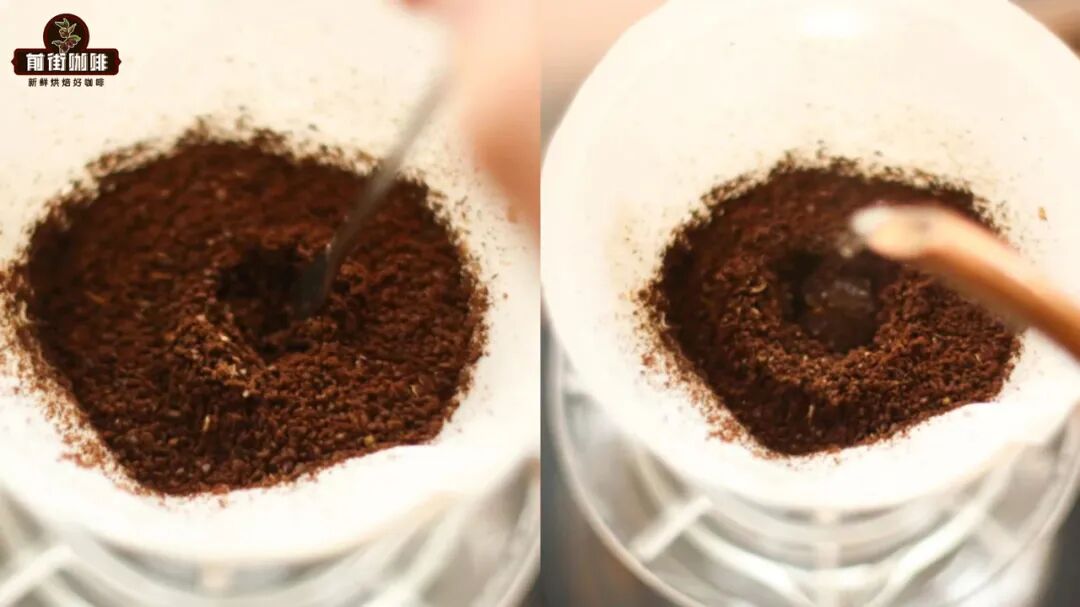
Many people find that during blooming, the bottom coffee particles often fail to get sufficiently wet due to a thick bed, leading to incomplete degassing and uneven extraction. This simple pinhole trick can significantly improve the issue, ensuring a more consistent starting point for the entire extraction process.
Lastly, don’t overlook the importance of “distribution.” Most of the time, the coffee grounds we pour into the filter cone are not evenly distributed—some areas may be more compact, while others are sparser. This uneven distribution can cause water to prefer certain paths during pouring, leading to undesirable channeling.
It’s recommended that before pouring, you use a distribution tool or gently shake the filter cone to evenly spread the coffee grounds. This not only reduces the chances of channeling but also allows water to more steadily penetrate the entire bed, contributing to consistent flavor and enhanced complexity.
In summary, bed management may seem like a minor detail, but it has a profound impact on the extraction quality of pour over coffee. From selecting the right dosage, building a proper coffee wall, applying blooming techniques, to ensuring even distribution, every step plays a key role in making your coffee’s flavor rounder and more balanced. Master these techniques, and you’ll be able to brew more professional and delicious pour over coffee too!




The above content is compiled by CoffeeHunters, a coffee news website.


