







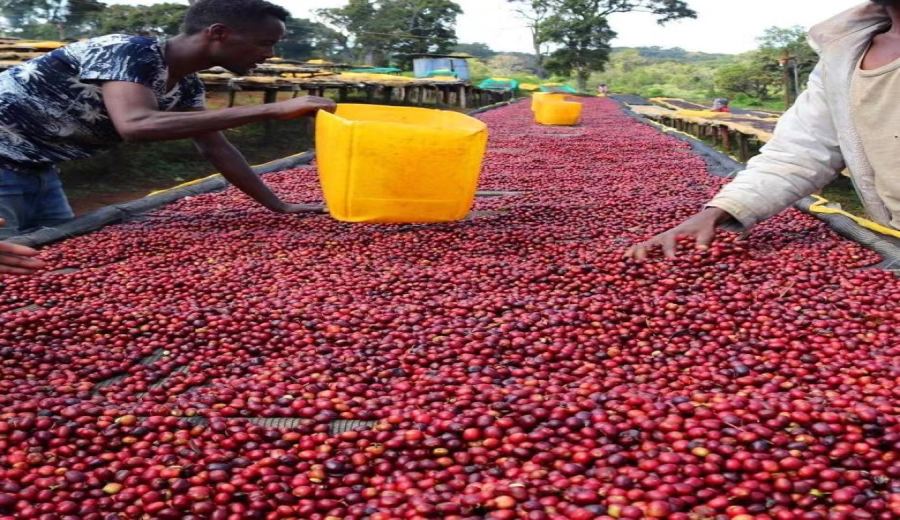
Introduction:When selecting pour over coffee beans, many people worry that overly acidic flavors may affect the taste. In fact, by mastering the roast level, equipment pairing, and correct extraction parameters, you can find beans with low acidity and rich layers of flavor. This article will analyze how to choose suitable coffee beans based on the characteristics of pour over brewing and provide practical advice to help you easily brew rich and smooth coffee—whether for everyday drinking or exploring new flavors.
The same coffee beans can perform very differently when used with various brewing methods. Pour over emphasizes clarity of aroma and delicacy of flavor. Compared to the rich sweetness of espresso machines or the pressure extraction of moka pots, pour over relies more on precise control of water temperature, grind size, and water flow. Therefore, when selecting beans, it’s essential not to overlook the characteristics of your equipment, and to adjust extraction parameters according to roast level in order to showcase the beans’ optimal flavors.
Dark roasted coffee beans typically exhibit warm-toned flavors such as cocoa, nuts, and caramel, with relatively soft acidity. However, bitterness is not solely determined by roast depth. If the water temperature is too high, the grind is too fine, or the extraction time is too long, it can easily lead to dryness and excessive bitterness. It’s recommended to maintain a stable coffee dose and appropriately shorten the extraction time to achieve a smoother and more balanced cup.
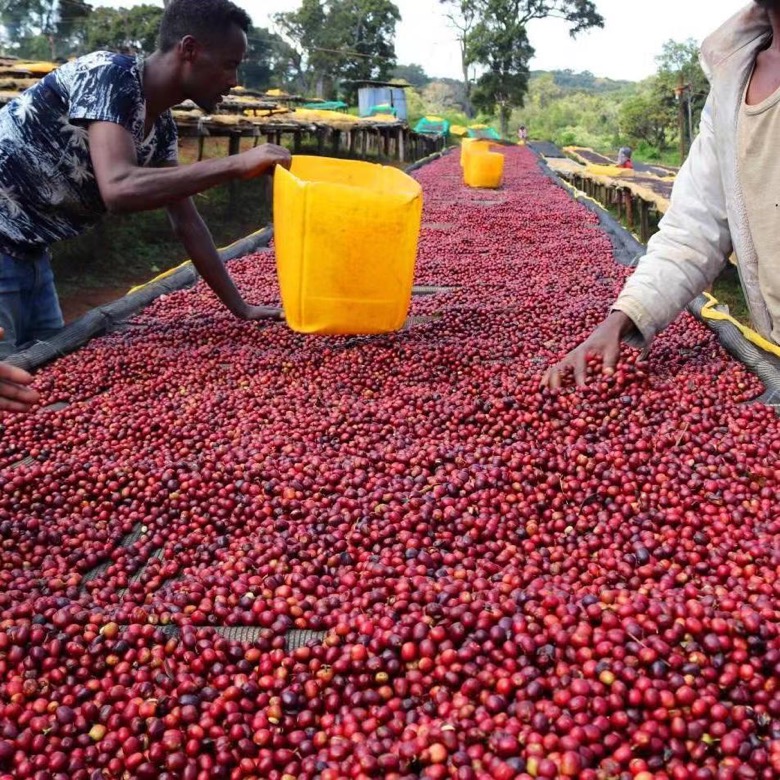
If you’re looking for pour over coffee beans that are not acidic, it’s advisable to start from several aspects: personal taste preferences, commonly used brewing equipment, drinking temperature conditions, and daily consumption frequency. Clarify your most important criteria first—for example, whether you prioritize aroma complexity or taste stability—and then filter suitable bean options based on these needs. This way, you can not only retain your personal preferences but also allow the coffee to display distinct characteristics during actual brewing.
Taking commonly recommended beans as examples, Brazil Queen Estate coffee offers a sweet profile of nuts, cocoa, and caramel, with soft acidity. Whether using pour over, espresso machines, or moka pots, it delivers consistent smoothness. Premium blends use Brazil Cerrado and Colombia Huila as the base, with harmonious flavors and prominent notes of nuts and caramel—suitable for both black coffee and milk-based drinks. Additionally, Papua New Guinea Bird of Paradise has a clean, soft sweetness, with a flavor profile close to the Blue Mountain style, making it an ideal choice for those seeking low-acidity balance.
In addition to flavor types, the roast date and storage method of the beans can directly impact brewing performance. It’s recommended to store opened coffee beans in a sealed container in a cool, dry place, and purchase according to daily usage so you can observe flavor changes. Before brewing, you can first smell the dry aroma, then taste the sweetness and aftertaste. If the aroma seems lacking, it may be due to an overly coarse grind or the beans being stored for too long. Moreover, the same beans may perform quite differently when made as hot drinks, iced coffee, or with milk—so it’s recommended to record different parameter combinations and gradually find the brewing method that suits you best.
If you want to balance flavor variety with brewing convenience, consider separating “favorite flavor types” from “acceptable brewing difficulty.” Beans with prominent floral and fruity notes usually require more precise control over water temperature, grind size, and pouring technique, while nut-and-cocoa-blend beans are better suited for daily use where stable results are desired. If you have multiple family members or fellow coffee enthusiasts, you might first choose a flavor-balanced bean as a base option, then gradually try other styles according to personal preference. This approach makes comparison easier than buying multiple similar-flavor beans all at once.
For dark roasted beans, it’s recommended to start with slightly lower water temperature and shorter extraction time, observing sweetness and body first, then adjusting the extraction length as needed. When making milk coffee, ensure the espresso has enough body so that it presents a complete flavor profile after adding milk.

If your daily equipment, drinking habits, or flavor preferences change, you can also categorize beans into “daily stable” and “exploration” types: one for consistent performance, and the other to experience different floral-fruity, nut-cocoa, or unique processing-method flavors. When brewing, first fix the coffee dose and water volume, then adjust one variable at a time—such as water temperature or grind coarseness—to more clearly identify the true flavor characteristics of the beans.
The above content is compiled by CoffeeHunters, a coffee news website.


