








Introduction:Choosing the right combination of coffee beans and brewing equipment is the key to experiencing the most captivating flavor layers of Yirgacheffe coffee. This article analyzes how to select the most suitable Yirgacheffe bean based on your brewing habits—from equipment characteristics, roast levels, to practical brewing parameters. Whether you prefer the clear fruitiness of pour over or the rich body of a moka pot, you’ll find tailored recommendations and useful tips.
Using the same coffee bean with different brewing methods often results in vastly different flavor profiles. For example, pour over emphasizes clarity and layering of aroma, making it highly sensitive to the bean’s processing method and roast level; espresso machines aim for a rich, balanced body and sweetness, requiring precise control over pressure and temperature; and the moka pot, due to its pressurized brewing nature, demands special attention to flame intensity and evenness of the coffee bed. Therefore, when selecting Yirgacheffe coffee beans, it’s recommended to first clarify your commonly used equipment and brewing goals, then adjust relevant parameters according to the roast level to fully unlock the bean’s potential.
Taking pour over as an example, its flavor expression is primarily influenced by origin, variety, processing method, roast level, and specific brewing parameters. Lightly roasted beans typically showcase prominent floral and fruity aromas, while medium roasts tend to highlight sweetness and a fuller body. Additionally, factors such as water temperature, grind size, and pouring rhythm directly affect the order of aroma release and the overall balance of flavors—so one shouldn’t judge a bean’s performance solely based on its name.
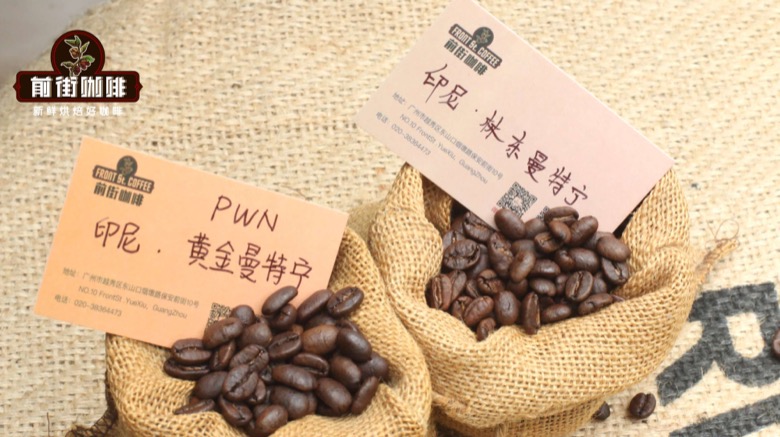
If you’re looking to choose a “high-value Yirgacheffe coffee bean,” consider several practical aspects: your personal taste preference, commonly used brewing equipment, desired drinking temperature (such as hot or iced), and daily consumption frequency. It’s advisable to first identify which of these factors matter most to you, then filter based on other needs. This way, you can preserve your personal preferences while allowing the beans to display their most distinctive features during actual use.
Among the many Yirgacheffe flavor profiles, some beans are particularly well-suited to specific equipment. For instance, certain beans from Colombia, such as the popular Geisha variety, often exhibit pronounced fruit aromas like passion fruit, blueberry, grape, and apricot, with a juicy mouthfeel. These beans shine whether used for iced pour over, cold drip, or as an SOE (Single Origin Espresso), showcasing elegant layers of aroma. The Panama Esmeralda Red Label Geisha, on the other hand, centers around notes of jasmine, bergamot, citrus, and black tea, with a clean and delicate taste—perfect for drinkers who enjoy savoring subtle details. As for Yirgacheffe Guji Dingding, it builds on a foundation of citrus, berries, and floral notes, paired with a green tea-like sweet aftertaste. When brewed with a light roast using pour over, the aroma is crisp, and the acidity becomes even softer when cold brewed, making it suitable for various brewing methods.
Beyond flavor itself, the roast date and storage method of the beans are also important factors affecting actual performance. It is recommended to store opened coffee beans in an airtight container and place them in a cool, dry location, away from direct sunlight and moisture. When purchasing, you can choose packaging sizes that match your daily consumption to help monitor whether the beans are at their optimal freshness. During actual brewing, start by smelling the dry aroma, then savor the balance of acidity and sweetness, the body in the mid-palate, and the persistence of the finish. If the aroma seems lacking, it may be due to overly coarse grind or the beans being stored for too long. Additionally, the same bean can perform very differently in hot drinks, over ice, or with milk—so it’s recommended to record brewing results under different parameters, which often helps identify your ideal drinking style more quickly.
When choosing Yirgacheffe beans, you can also separate considerations between “preferred flavor types” and “acceptable brewing difficulty.” Typically, beans with pronounced floral and fruity aromas require more precise adjustments to water temperature, grind size, and pouring rhythm—making them suitable for those willing to invest time in research. In contrast, blends leaning toward nutty and cocoa profiles are better suited for everyday use where stable results are desired. If multiple people in your household share coffee equipment, you might first opt for a balanced, neutral-flavored bean as a base, then gradually explore other styles based on personal preference. This approach makes it easier to conduct flavor comparisons and evaluations.
For pour over beginners or those aiming for consistent results, it’s recommended to fix the coffee-to-water ratio and total brew water volume first, using grind size as the main variable for adjustment. If the flavor feels overly sharp upon drinking, it may indicate under-extraction—try adjusting to a finer grind or extending the pouring time. If there’s noticeable dryness or astringency in the finish, reduce stirring or shorten the contact time between coffee grounds and water. It’s best to adjust only one variable at a time to gradually find the combination that best suits your taste.
If your brewing habits, commonly used equipment, or flavor preferences change frequently, you might also consider categorizing beans into “everyday stable options” and “exploratory discovery options.” Use one as your daily go-to for consistent base flavor, and the other to experience surprises brought by different fruit, nut, cocoa, or unique processing methods. By fixing the coffee dose and water volume, then fine-tuning a single variable step-by-step, you can more clearly discern each bean’s true flavor characteristics—and thus discover your most satisfying coffee experience.
The above content is compiled by CoffeeHunters, a coffee news website.

