







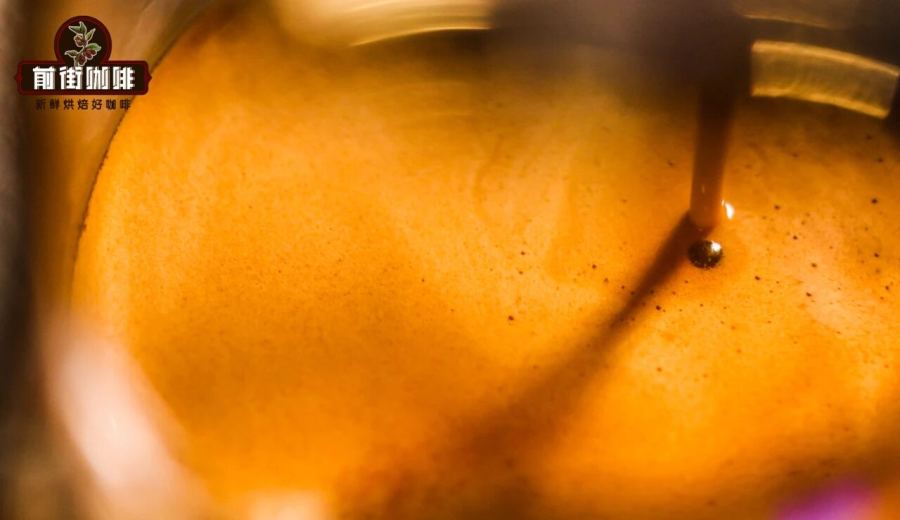
Introduction:To brew a well-balanced espresso, choosing the right beans and mastering the correct parameters are equally important. This article delves into how different brewing devices influence coffee performance, teaching you how to select the most suitable beans based on roast level, flavor preference, and daily usage scenarios. It also provides practical recommendations on grind size, coffee-to-water ratio, and extraction time, helping you achieve consistent results from beginner to advanced levels.
The same coffee beans can yield vastly different flavor profiles when used with different brewing methods. Pour over devices highlight aroma layers and clarity of taste, moka pots require balanced pressure control and heat adjustment, while espresso machines focus on the harmony of concentration, sweetness, and body. The key lies in understanding that bean variety characteristics, roast depth, and equipment parameters must all work in harmony to bring out the best in the coffee.
The core of espresso extraction lies in the precise coordination of four essential elements—dose (recommended 18–20g), grind fineness (close to flour texture), yield (about 36–42ml for a double shot), and time (25–30 seconds). Commercial blends, which combine beans from multiple origins, usually offer a stable base of nuts, cocoa, and caramel notes; single-origin espresso (SOE) beans, on the other hand, better highlight unique regional terroir and bright acidity. It’s recommended to first clarify your purpose: if it’s for a daily black coffee on your commute, prioritize body; if you often drink it with milk, then focus on the bean’s sweetness.
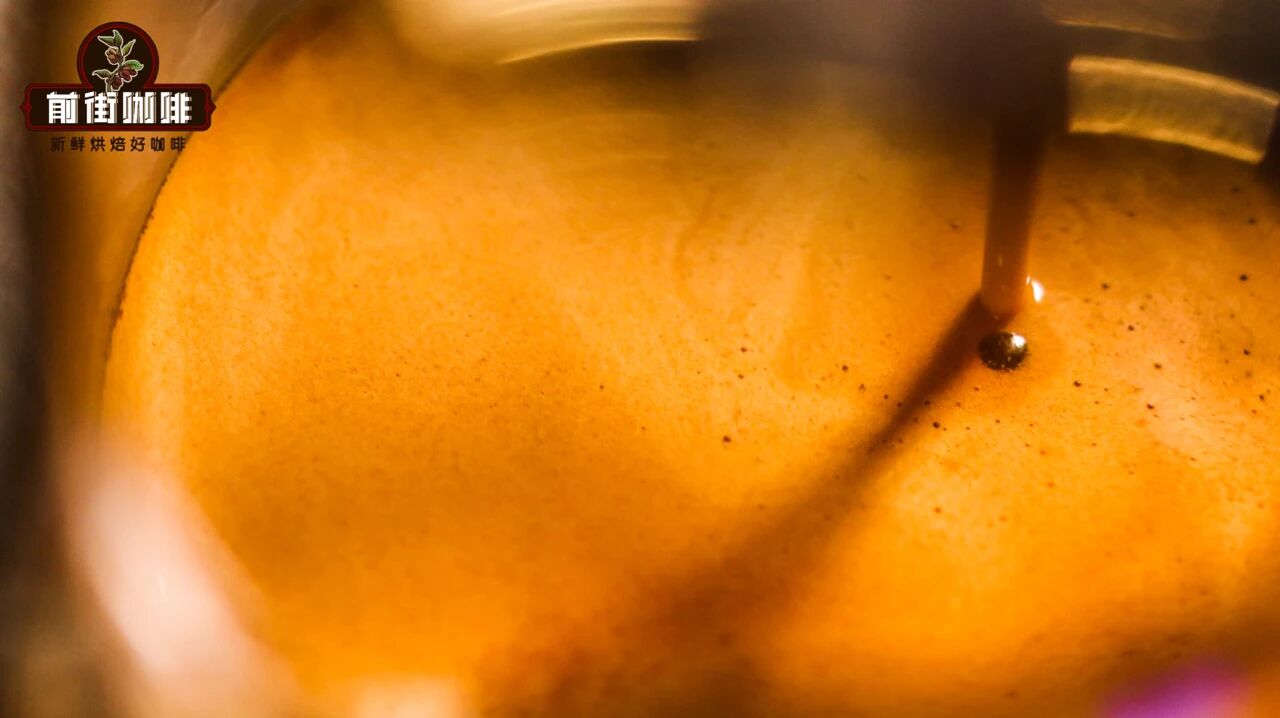
When making your selection, consider four dimensions: your personal flavor preferences (e.g., a preference for chocolatey tones or citrus acidity), the primary type of brewing device you use (espresso machine/moka pot), whether you prefer drinks at room temperature or iced, and your daily consumption volume. It’s advisable to establish a dual-track system of a “main bean + exploration bean”—choose a well-balanced base bean for everyday use, and pair it with 1–2 specialty beans to experience variations from different processing methods. Keeping a record of each brew’s parameter combinations (such as grind setting and slight water temperature adjustments) helps you gradually understand the character of the beans.
There are three common misconceptions about storage: the valve on unopened coffee bags is designed for degassing, but for long-term storage, it’s still recommended to transfer the beans to a sealed container; the optimal flavor period after opening is 2–4 weeks post-roast (fresh grinding is even better); when storing away from light, pay attention to humidity control—refrigeration may actually accelerate oil oxidation. Before brewing, sniff the dry aroma to see if it’s rich; if you detect a cardboard-like smell or sharp, sour notes, it may be due to too coarse a grind, improper coffee-to-water ratio, or the beans being past their prime.
Here are specific recommendations for common brewing devices:Espresso MachineUse a 1:2 coffee-to-water ratio as a baseline (e.g., 20g of coffee yields 40ml of espresso). If the acidity is too prominent, try grinding 0.5 steps finer or increasing the water temperature by 1–2°C; if bitterness is obvious, do the opposite. For moka pots, pay attention to heat control (medium to high heat combined with preheating the brew chamber), and aim for a coffee-to-water ratio of 1:2 to 1:2.5, with a grind fineness similar to fine sugar.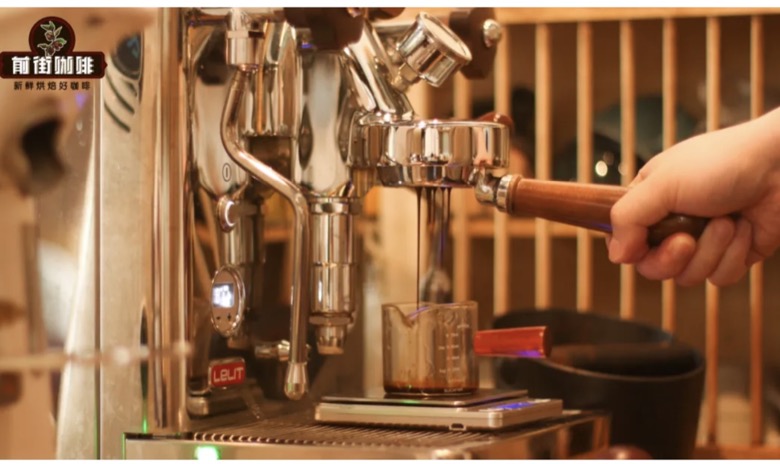
Advanced tip: Establish an “order of parameter adjustment”—with fixed dose and water volume, first make minor adjustments to grind size (±5%), then modify extraction time, and only consider altering water temperature last. Most home users can follow the principle of “prioritizing consistent output,” choosing a medium-dark roasted blended coffee (such as one with rich dark chocolate notes), and occasionally switching to different SOEs to explore variations. Remember: the same beans will produce noticeably different flavor profiles when made as hot drinks, cold drips, or milk-based beverages—that’s completely normal.
The above content is compiled by CoffeeHunters, a coffee news website.

