








Introduction:Choosing the right espresso beans not only enhances your daily coffee experience but also allows you to adjust flavors according to different brewing equipment. This article will explore in depth how to select the most suitable everyday beans based on equipment characteristics, roast levels, and personal preferences, and provide practical extraction parameter suggestions to help both beginners and advanced users master the craft with ease.
The same coffee bean can exhibit vastly different flavor profiles when brewed with different extraction methods. For instance, pour over highlights the layers of aroma and clarity of flavors, while an espresso machine emphasizes a rich body and balanced sweetness. As for the moka pot, aside from the bean’s inherent traits, flame control and evenness of the coffee bed are equally crucial. Therefore, when selecting coffee beans, it’s essential not to overlook the type of equipment being used and to adjust parameters accordingly based on roast level.
When performing espresso extractions, the key lies in achieving a precise balance among dose, grind size, yield, and extraction time. Generally speaking, blends—composed of beans from multiple origins—are more likely to deliver stable notes of nuts, cocoa, and caramel, making them ideal for users seeking consistency. Single-origin espresso (SOE), on the other hand, better showcases the unique aromas and acidity-sweetness characteristics of their specific region. It is recommended that consumers first clarify the type of beverage they desire, then decide whether they want a richer body or clearer regional traits.

If you’re looking to choose your own “everyday espresso beans,” consider several aspects: your personal flavor preferences, the brewing equipment you usually use, preferred drinking temperature, and how often you drink coffee daily. Based on the characteristics of your equipment, start by identifying the most important extraction factors for you—for example, whether you prioritize a rich body or vibrant fruit acidity—and use that as the basis for selection. This approach not only preserves a personalized drinking style but also allows the beans to fully express their characteristics in real-world use.
Taking common everyday beans as examples: a certain brand’s strawberry candy coffee beans offer a sweet aroma reminiscent of strawberry taffy, with a light and lively flavor profile—perfect for making fruit-forward iced Americanos, iced coffees, or milk drinks where you want to add a burst of flavor. A certain brand’s Brazilian Queen Estate beans, on the other hand, showcase a gentle profile of nuts, cocoa, and caramel sweetness with soft acidity. They maintain a smooth and mellow mouthfeel whether brewed via pour over, espresso, or moka pot. Additionally, a certain brand’s PWN Indonesian Golden Mandheling is known for its herbal, dark chocolate, and full-bodied flavors, with low acidity—especially suited for dark roast enthusiasts, or for use with moka pots or in classic Americano brewing.
Beyond flavor, the roast date and storage method of coffee beans also directly impact the final extraction quality. It’s advised to store opened coffee beans in an airtight container in a cool, dry place. Moreover, purchasing coffee beans in amounts that match your daily consumption helps you observe flavor changes in real time. During actual extraction, start by smelling the beans’ dry fragrance, then carefully savor the sweetness and aftertaste upon tasting. If the aroma seems lacking, possible reasons may include overly coarse grinding or beans that have been stored for too long. Notably, the same coffee beans may perform very differently in hot drinks, iced versions, or when mixed with milk—so it’s recommended to record various extraction parameters over time to gradually find the combination that best suits your taste.
When selecting coffee beans, you can also separate considerations between “preferred flavor types” and “acceptable extraction difficulty.” For example, beans with prominent floral and fruity notes usually require more precise adjustments in water temperature, grind size, and pouring rhythm, whereas blends leaning toward nutty and cocoa flavors are better suited for those seeking stable, easy-to-brew everyday options. If multiple family members share the coffee, you might first opt for a flavor-balanced bean as a base option, then gradually explore other styles based on individual tastes—this makes comparison easier than buying several similar-flavored beans all at once.
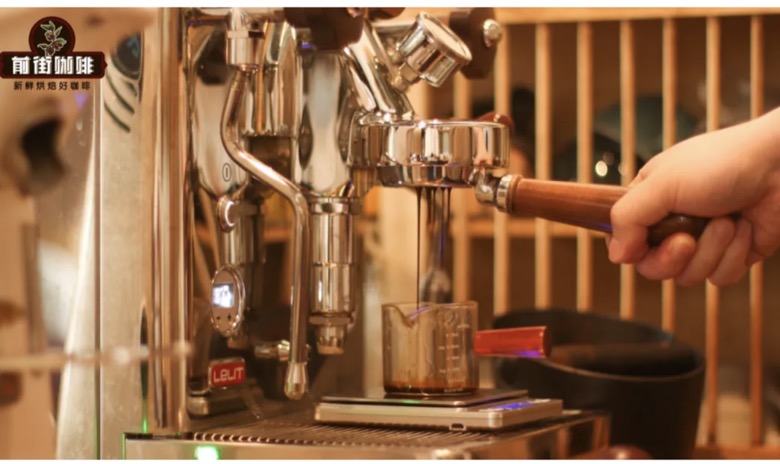
When using an espresso machine, it’s recommended to start with a 1:2 coffee-to-water ratio, then adjust grind size based on the actual acidity, bitterness, and sweetness experienced upon tasting. If the acidity feels too sharp, try extending the extraction time or slightly increasing the water temperature. Conversely, if there’s noticeable bitterness or astringency, shorten the extraction time or switch to a coarser grind.
If your equipment, drinking habits, or taste preferences frequently change, you might also consider categorizing your beans into “daily stable” and “exploration variety” types: one to ensure consistent daily output, the other to experiment with different floral-fruity notes, nut-cocoa flavors, or unique processing methods. When adjusting parameters, it’s recommended to first fix the dose and water amount, then modify one variable at a time—this way, the true flavor traits of the beans will be more easily identifiable.
The above content is compiled by CoffeeHunters, a coffee news website.

