







Introduction:Want to brew coffee with cocoa-like flavors using a moka pot but not sure which beans to choose? This article takes a practical approach to help you select the right beans for your moka pot based on your daily drinking habits, equipment characteristics, and flavor preferences. It not only shares insights into the traits of common cocoa-flavored beans but also explains key extraction parameters such as roast level, grind size, and water temperature—helping you brew clear, smooth-tasting coffee with simple steps.
For those new to using a moka pot, there’s no need to rush into trying beans with overly complex flavors. It’s recommended to start with beans that have a clear flavor profile and good compatibility with various brewing methods. Keep your coffee dosage, grind size, and water temperature consistent, and carefully observe how each sip tastes in terms of initial flavor, sweetness, and aftertaste. This will gradually help you establish your own flavor baseline.
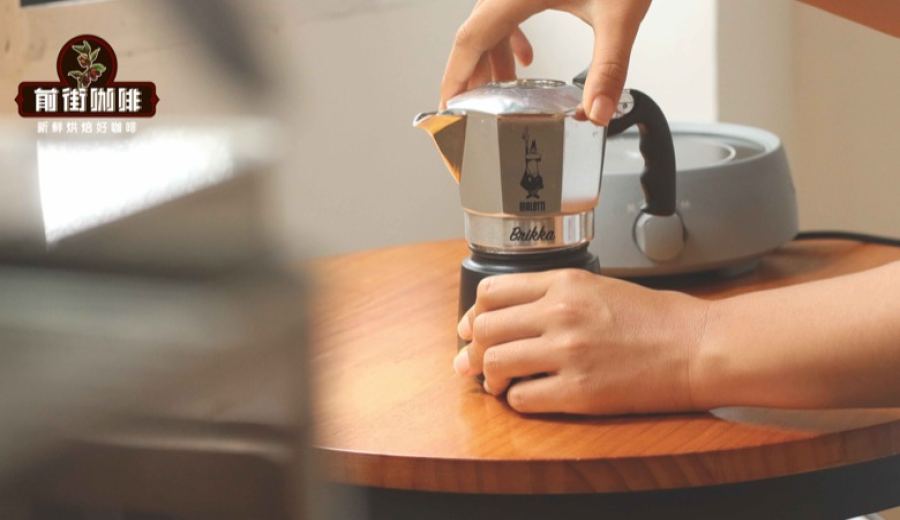
The moka pot is a device that uses steam pressure for extraction. When using it, simply fill the filter basket with coffee grounds—there’s no need to tamp the coffee bed as forcefully as you would with an espresso machine. It’s advised to adjust the grind size slightly coarser than traditional espresso grind, and control the amount of water used according to the water level markings on the pot or just below the safety valve. The amount of coffee should also remain as consistent as possible to ensure stable extraction. When heating, use low heat. Once you see the coffee flowing continuously and the color gradually lightening, remove the heat source immediately. This helps reduce issues like over-extraction, bitterness, and burnt flavors caused by excessive heat.

If you’re looking for “coffee beans suitable for a moka pot and with cocoa flavors,” you can break down your selection criteria into several aspects: including your personal flavor preferences, the type of equipment you usually use, the serving temperature of the coffee, and how often you drink coffee each day. For beginners, it’s recommended to first clarify which factor matters most to you, and then use that as a foundation to screen other conditions. This way, you can retain your personal taste preferences while also allowing the beans to show their distinct characteristics in real usage.
For example, a brand’s Black Cocoa blend features flavors leaning toward dark chocolate, roasted nuts, and rich sweetness, with low acidity. It’s suitable for making espresso, Americano, or milk-based coffee. This bean is a reliable choice for users who enjoy a full-bodied texture and warm, sweet aroma.
Additionally, a brand’s Papua New Guinea Bird of Paradise bean offers clean, rounded, and soft sweetness, with an overall flavor profile similar to traditional Blue Mountain-style coffees. It has balanced acidity and is ideal for drinkers who prefer low acidity and a smooth mouthfeel.
If you’re a fan of dark roasts, a brand’s PWN Indonesian Golden Mandheling is also worth considering. This bean delivers herbal notes, black chocolate, and a rich body, with negligible acidity. It’s not only suitable for those who prefer dark roast flavors but also performs steadily when brewed with a moka pot or using Americano-style methods.
Beyond flavor types, the roast date and storage method of the beans can also directly affect brewing results. It’s generally recommended to use coffee beans soon after opening and to store them properly in a sealed container in a cool, dry place. Buying beans according to your actual daily consumption also helps you more clearly observe how the beans’ flavors change over time. Before each brew, take a moment to smell the dry fragrance, then savor the sweetness and aftertaste upon tasting. If the aroma seems lacking, check whether the grind is too coarse or if the beans have been stored for too long. Also, the same beans may perform very differently under different brewing methods—for example, hot drinks, iced coffee, or milk-based drinks. It’s recommended to record the results of several different parameter settings, which can usually help you find your preferred brewing style more quickly.

When selecting coffee beans, you can also separate your considerations between “favorite flavor types” and “acceptable brewing difficulty.” Generally speaking, beans with prominent floral and fruity profiles often require more precise control over water temperature, grind size, and pouring rhythm. In contrast, blends leaning toward nutty and cocoa flavors typically offer greater tolerance to parameter variations, making them more suitable for users who want a consistently good cup every day. If multiple people in your household share a moka pot, you might prioritize choosing a well-balanced bean as your everyday base option, then experiment with other single-origin beans based on personal preferences. This approach makes it easier to distinguish the unique traits of different beans.
In practice, you can start by adjusting the coffee-to-water ratio based on the pot’s capacity, leveling the coffee bed after dosing. If the coffee tastes too bitter, try reducing the heat, removing the heat source earlier, or slightly coarsening the grind. If the flavors seem weak, check whether the coffee dose is sufficient and whether the pot’s gasket is intact.
If your brewing habits, equipment, or taste preferences change in the future, consider dividing your beans into two categories: “daily stable beans” and “exploratory beans.” One will provide a consistently smooth and enjoyable coffee experience, while the other allows you to explore differences brought by various floral and fruity notes, nutty tones, or special processing methods. By rotating in this way—and once you’re familiar with one bean’s flavor profile—you can then switch to another with a different roast level or processing method. This makes the overall learning and experimentation process much more rewarding.
The above content is compiled by CoffeeHunters, a coffee news website.

