








Introduction:Want to pick the best specialty coffee beans for your espresso setup from a wide selection? In reality, different brewing equipment and extraction parameters can greatly affect the final flavor of your coffee. This article will guide you through how to choose the most suitable espresso beans based on your equipment, extraction settings, and personal flavor preferences, as well as how to master adjustment techniques so that every cup performs at its best.
The same coffee beans can often present completely different flavor profiles when brewed with different methods. For instance, during pour over, we focus more on aroma complexity and clarity of flavors; but with espresso machines, the emphasis shifts to richness, body (mouthfeel), and balance of sweetness. Moka pots, on the other hand, require balancing pressure control, flame intensity, and even distribution of coffee grounds. Therefore, when selecting coffee beans, it’s essential not to overlook the characteristics of your brewing device, and to flexibly adjust various extraction parameters according to the roast level of the beans.
The key to espresso extraction mainly revolves around the delicate balance among four factors: dose, grind size, yield, and extraction time. Generally speaking, blends—because they combine beans from different regions—are more likely to deliver a stable foundation of nutty, cacao, and caramel notes, making them ideal for users seeking consistent flavors. Single-origin espressos (SOEs), however, better highlight the unique aromas and vibrant acidity or sweetness of their specific regions. When choosing, first clarify whether you prefer a rich, bold taste or distinct regional characteristics, and then select beans accordingly.

If you’re looking for several everyday-use specialty espresso beans, consider the following aspects: What kind of flavor profile do you enjoy? What brewing method do you usually use? Do you prefer hot drinks or cold ones? And how many cups do you brew per day? These factors will influence your final choice. Once you’ve made an initial selection based on your equipment's basic parameters, fine-tune further according to your personal taste—not only preserving your individual style in bean selection but also allowing each type to showcase its most distinctive features under your care.
For example, some blends are designed with nutty, cacao, and caramel notes, offering good strength and a rich mouthfeel, making them suitable for espresso machines, moka pots, and daily milk-based coffees. Other blends centered around nuts and dark chocolate have lower acidity and prominent sweetness, ideal for espresso shots, Americanos, or even milk drinks without losing their character. When selecting, besides the flavor direction, don’t overlook the roast date and storage methods of the beans—these directly impact the final extraction performance.
Once opened, it’s recommended to finish the coffee beans as soon as possible and store them properly in a cool, dry place. It’s best to purchase according to your daily consumption; this ensures freshness and makes it easier to observe subtle changes in each brew. During actual brewing, start by smelling the dry fragrance, then savor the sweetness and aftertaste. If you notice a lack of aroma, it might be due to overly coarse grinding or beans that have been stored too long. Additionally, the same beans can behave quite differently when prepared as hot drinks, iced drinks, or with milk—so it’s advisable to record your brewing parameters a few times to gradually find the combination that suits you best.
When choosing beans, you can also separate your considerations into “favorite flavor types” and “acceptable brewing difficulty.” Typically, beans with strong floral and fruity aromas demand more precise control over water temperature, grind size, and pouring rhythm, which may be challenging for beginners to consistently extract ideal flavors. In contrast, blends with nutty and cacao profiles are generally more beginner-friendly and suitable for everyday use where stability is key. If multiple household members share the coffee, it’s wise to start with a balanced-flavor bean as your base option, then gradually explore others based on individual preferences—this makes it easier to compare differences than buying several similar-flavored beans all at once.
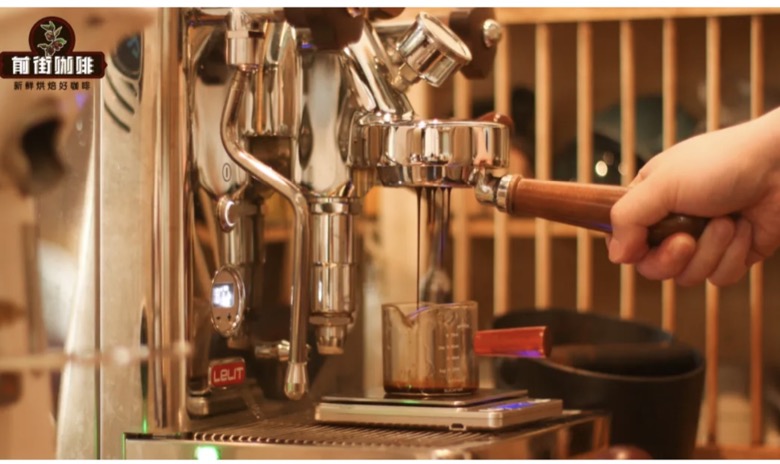
When using an espresso machine, it’s recommended to start with a 1:2 coffee-to-water ratio—that is, extracting about 2 grams of coffee liquid per 1 gram of coffee grounds. Then, fine-tune the grind size based on the acidity, bitterness, and sweetness you experience upon tasting. If the acidity feels too sharp, try extending the extraction time or slightly increasing the water temperature; conversely, if you notice pronounced bitterness or astringency, shorten the extraction time or make the grind coarser. Through such fine adjustments, you’ll gain a more precise grasp of each bean’s potential and be able to extract coffee that perfectly matches your taste.
Finally, if your equipment, drinking habits, or flavor preferences often change, consider dividing your beans into two categories: “daily reliable beans” and “exploratory variety beans.” The former ensures consistent and dependable results, while the latter lets you experience different flavor profiles—such as floral and fruity notes, nutty tones, or surprises brought by special processing methods. When adjusting parameters, start by fixing the dose and water amount, then change one variable at a time—this way, the true flavor characteristics of the beans will become clearer and more distinguishable.
The above content is compiled by CoffeeHunters, a coffee news website.

