







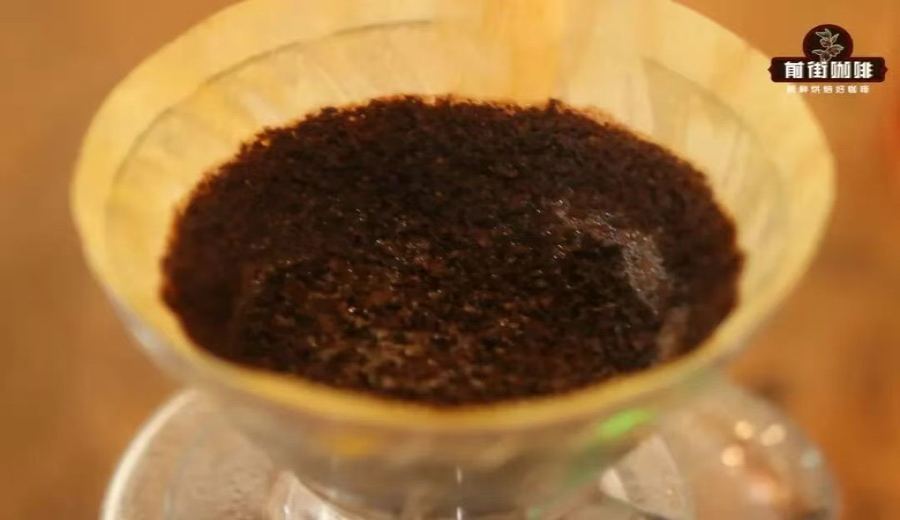
Introduction:Choosing a light-roast coffee bean suitable for pour over is not only about flavor preference but also closely related to the degree of roasting, processing method, and brewing technique. This article delves into the floral and fruity characteristics of light-roast beans, helping you understand the performance differences across various regions and processing methods, and provides practical selection advice and brewing parameter adjustment tips to help you find the beans and brewing method that suit your palate best.
The degree of roasting is one of the key factors influencing the flavor expression of coffee. Light roasting preserves more of the bean’s innate flavors, highlighting floral and fruity aromas along with bright acidity, making it ideal for those who prefer a refreshing taste. Medium roast emphasizes sweetness and overall balance, while dark roast is known for its intense nutty, chocolatey notes and full-bodied mouthfeel. These flavor profiles are not absolutely better or worse—what matters most is whether they align with your personal taste and brewing habits.
In the world of pour over coffee, flavor presentation is determined not only by the origin or variety but also significantly by the degree of roasting, processing method, brewing equipment, and parameter settings. Light-roast beans typically exhibit distinct floral and fruity notes, while medium roast shines with richness and sweetness. However, water temperature, grind size, and pouring rhythm all affect the layers of aroma released, so the final flavor cannot be predicted solely based on the bean variety name.
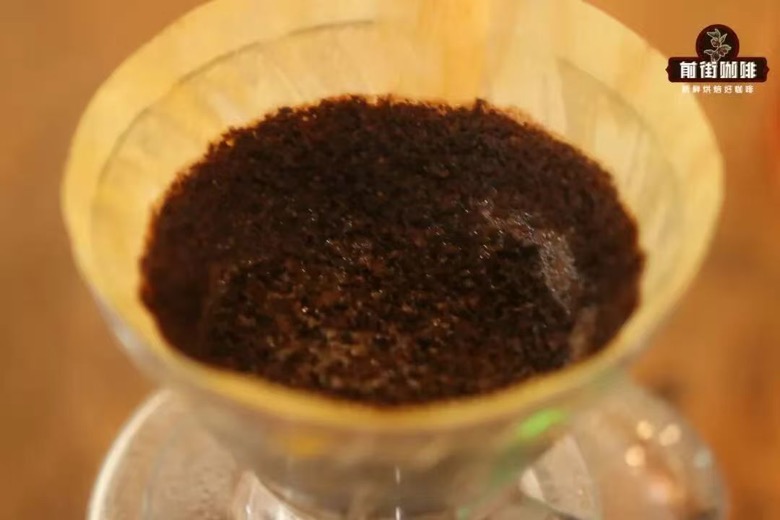
If you want to select light-roast coffee beans suitable for pour over, it’s recommended to start from several practical aspects: your preferred flavor profile, commonly used brewing equipment, desired serving temperature, and daily consumption frequency. Clarify the elements that matter most to you first, then use them as a basis for selection. This will help you more accurately find beans that meet your expectations. In doing so, you can not only preserve your personal brewing style but also allow the beans to showcase their most distinctive features during actual extraction.
Taking commonly available light-roast beans in the market as examples, some beans stand out with highly recognizable flavor profiles due to their unique processing methods and regional characteristics. For instance, a certain Red Label Geisha from Panama’s Finca Emerald Estate often exhibits pronounced jasmine, bergamot, and citrus notes, with a mellow, tea-like aftertaste that lingers. The overall taste is clean and delicate, making it ideal for drinkers who enjoy savoring nuanced details. Another example, Gu Ding Ding from Yirgacheffe, is known for its citrus, berry, and green tea aftertaste. The light roast process allows for clear aromatic layers when brewed via pour over, and even after cold brew, the acidity remains soft and pleasant.
Additionally, there is a flower-scented Ethiopian bean known as Hua Kui, famous for its tropical fruit notes, often featuring bright aromas of strawberry and passionfruit. It offers lively sweetness and rich layers, making it suitable not only for standard pour over but also for trying different brewing methods such as iced pour over or cold brew, showcasing its versatile flavor potential.
However, apart from flavor itself, the roast date and storage method of the beans also directly affect the final outcome. It is recommended to keep the beans sealed as much as possible after opening, store them in a cool and dry place, and purchase according to your daily consumption. This helps in observing how the beans’ flavors change over time. When brewing, you can first smell the dry aroma, then carefully taste the flavor upon intake, the sweetness, and the aftertaste’s persistence. If you find the aroma lacking, it might be due to the grind size being too coarse or the beans having been stored for too long. Moreover, the same beans may perform very differently in hot drinks, over ice, or with milk, so it is advisable to record brewing results under different parameters and gradually find the drinking style that suits you best.
When selecting bean varieties, you can also separate considerations between “preferred flavor type” and “acceptable brewing difficulty.” Typically, beans with prominent floral and fruity notes require more precise control over water temperature, grind size, and pouring rhythm, which might pose a slight challenge for beginners. On the other hand, beans with nutty and cocoa tones tend to be more stable and are suitable for everyday drinking where consistent cup quality is desired. If multiple family members share the coffee, it’s recommended to start with a flavor-balanced bean as a base, then gradually try other styles according to individual preferences. This approach makes comparison and experience easier than purchasing multiple similar-flavor beans all at once.
During actual brewing, it’s recommended to fix the coffee-to-water ratio and total water volume, using grind size as the main variable for adjustment. If the flavor upon intake is overly sharp, it may signal under-extraction. If a dry or astringent sensation appears toward the end, consider reducing agitation or shortening the contact time between coffee grounds and water. By gradually adjusting a single variable, you can more effectively grasp the brewing balance point.
Finally, if your brewing equipment, drinking habits, or flavor preferences often change, consider dividing your beans into two categories: “daily stable beans” and “exploratory beans.” Use one for providing consistent and reliable cup quality, and the other to experience surprises brought by different floral and fruity notes, nutty tones, or special processing methods. Once you’ve identified your preferred roasting direction, fine-tuning grind size, water temperature, and extraction time often yields a deeper understanding of coffee’s diverse expressions than frequently switching bean varieties.
The above content is compiled by CoffeeHunters, a coffee news website.


