








Introduction:When selecting coffee beans suitable for pour over brewing, it's not just about origin and processing method—roast level is also a key factor that influences flavor expression and extraction performance. This article provides an in-depth analysis of how light, medium, and dark roasts affect the flavor profile (such as acidity, sweetness, and body) and extraction rhythm of pour over coffee, along with practical purchasing advice and brewing adjustment tips to help you find the most suitable beans based on your personal taste.
Roast level is an important aspect that determines the direction of a coffee bean’s flavor and its extraction performance. Generally speaking,Light Roastpreserves more floral and fruity aromas and a bright acidity, making it ideal for those who enjoy a refreshing and layered cup;Medium Roastoffers a more balanced sweetness and mouthfeel, and is the preferred choice for many pour over enthusiasts; whileDark Roastemphasizes nutty, chocolatey, and bold textures, catering to those who prefer a richer taste. These styles are not absolutely better or worse—the key is whether they match your personal drinking habits and preferences.
The flavor expression of pour over coffee is not determined by a single factor but results from the combined influence of origin, variety, processing method, roast level, and brewing parameters. For example, light roast beans often exhibit distinct fruity and floral notes, while medium roasts emphasize sweetness and overall body. It's worth noting that water temperature, grind size, and pouring rhythm all affect the release sequence of aromas and the evenness of extraction, so judging a bean’s final flavor solely by its name isn’t enough.

If you're looking to select several coffee beans suitable for pour over, consider breaking down your selection criteria into several dimensions: your preferred flavor profile (such as bright fruit acidity or rich chocolate), the brewing equipment you usually use, your typical drinking temperature (e.g., hot or iced), and your daily consumption frequency. If you're choosing based on roast level, it's recommended to first clarify what matters most to you—is it aroma complexity, sweetness, or body? Then further filter based on other conditions. This way, you can preserve your personal preferences while allowing each bean to showcase its unique charm during actual brewing.
For example, some popular pour over beans boast distinctive flavor profiles: a bean from Colombia often showcases tropical fruit aromas such as passion fruit, blueberry, grape, and apricot, with a vibrant and juicy character. It performs exceptionally well in cold pour over, cold drip, or as a single-origin (SOE) brew; another example is a renowned plantation bean from Panama, which offers complex aromas of jasmine, bergamot, citrus, and black tea, with a clean and delicate mouthfeel, perfect for savoring slowly—especially appealing to drinkers who appreciate an elegant profile; additionally, there are beans from Ethiopia that highlight citrus, berries, floral notes, and a green-tea-like aftertaste. With a light roast, their aromas are clear, and if cold brewed, the acidity becomes even softer, adding variety to the drinking experience.
Besides flavor preference, the roast date and storage method of the beans also affect their actual flavor performance. It is generally recommended to store opened coffee beans in an airtight container in a cool, dry place, and to purchase according to your daily consumption, making it easier to observe flavor changes over time. When brewing, try smelling the dry fragrance first, then tasting the flavors, sweetness, and aftertaste in the cup; if the aroma seems lacking, it may be due to too coarse a grind or beans that have been stored for too long. Also, the same bean can perform quite differently when served hot, iced, or with milk—it’s advisable to record several brewing parameters to help identify your ideal flavor combination.
When choosing beans, you can also separate “preferred flavor type” from “acceptable brewing difficulty.” Typically, beans with prominent fruity aromas demand higher precision in brewing parameters (such as water temperature, grind size, and pouring rhythm) and require more meticulous control; whereas blends leaning toward nutty or cocoa flavors are easier to brew consistently and are more suitable for everyday convenience. If you share coffee at home with others, you might choose a balanced bean as a base option and then gradually explore different styles according to individual preferences. This approach allows for clearer comparisons compared to buying multiple beans with similar flavor profiles all at once.
When adjusting brewing parameters, it's recommended to first fix the coffee-to-water ratio and total water volume, and usegrind sizeas the main variable for adjustment. If the flavors in the cup taste sharp or thin, check whether under-extraction is occurring; if dryness or astringency appears in the finish, consider reducing agitation or shortening the contact time between coffee grounds and water. It’s best to adjust only one variable at a time during each brew to more accurately track flavor changes.
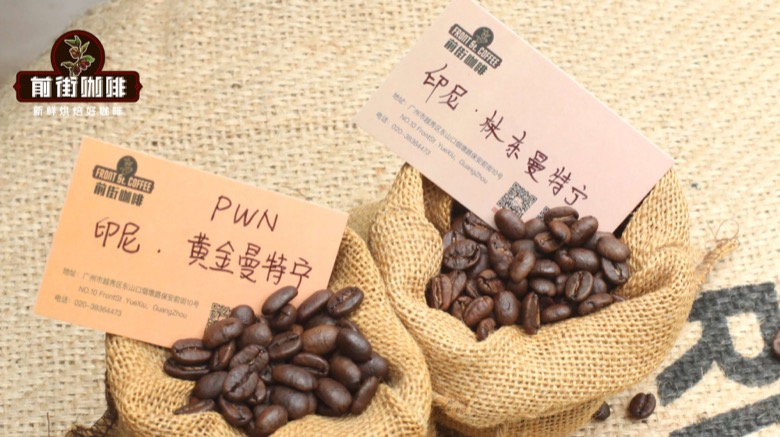
If your brewing environment, equipment usage, or taste preferences frequently change, consider dividing your beans into two categories: “everyday drinking” and “exploration & experience.” One type can ensure a stable cup, while the other lets you explore unique flavors brought by different fruits, nut tones, or processing methods. Once you’ve determined a general roast direction, fine-tuning grind size, water temperature, and extraction time often proves more effective in finding your personal preference than frequently switching beans.
The above content is compiled by CoffeeHunters, a coffee news website.


