







Introduction:The allure of pour over coffee lies in its ability to showcase the diverse flavors of coffee beans using simple equipment. The degree of roast is one of the key factors that influence the performance of a pour over cup. From light to dark roast, it not only changes the layers of aroma but also directly affects the ease of extraction and the direction of flavor. This article will guide you through how different roast levels shape the cup profile of pour over coffee, and provide practical advice on bean selection and brewing techniques to help you find the coffee beans and brewing method that best suit your taste.
The roast level not only affects the color of the coffee beans but also determines the direction of flavor and extraction characteristics. Light roasts typically preserve the original floral and fruity aromas of the beans, with bright and lively acidity, making them ideal for those who enjoy a refreshing taste. Medium roasts strike a balance between acidity and sweetness, offering a caramel-like sweetness and a rounder mouthfeel. Dark roasts, due to more pronounced Maillard reactions, often exhibit rich cocoa, nutty, and chocolatey notes, with a heavy body and long-lasting aftertaste. These differences are not absolutely good or bad—the key is whether they align with your personal preferences and drinking context.
The overall flavor profile of pour over coffee is shaped by a combination of factors including origin, variety, processing method, roast level, and specific brewing parameters. For example, light roast beans often feature bright high notes such as citrus and floral aromas, while medium roasts tend to have more pronounced berry flavors, caramel sweetness, and a fuller body. It’s worth noting that variables such as water temperature, grind size, and the speed and rhythm of pouring can greatly influence the sequence of aroma release and the evenness of extraction. Therefore, you can’t judge the final cup profile solely based on the name of the coffee variety.
If you’re looking to choose pour over coffee beans, consider starting with a few practical aspects: What flavor profile do you prefer? What brewing equipment do you usually use? At what temperature do you like to drink your coffee? And how often do you drink coffee daily? When selecting based on roast level, it’s recommended to first clarify what matters most to you—for example, whether you prioritize bright acidity or rich sweetness—and then make further choices based on other conditions. This way, you’ll not only select beans that better match your personal taste but also allow each bean to showcase its most distinctive characteristics during actual brewing.
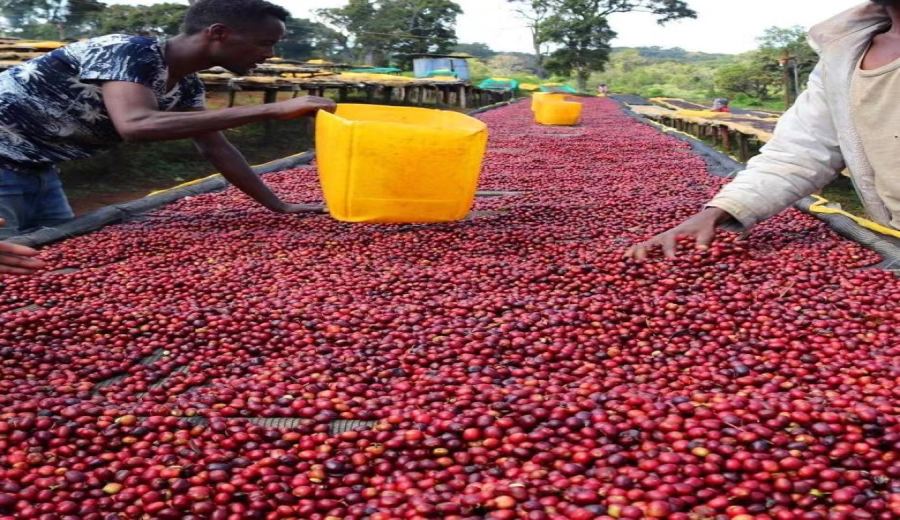
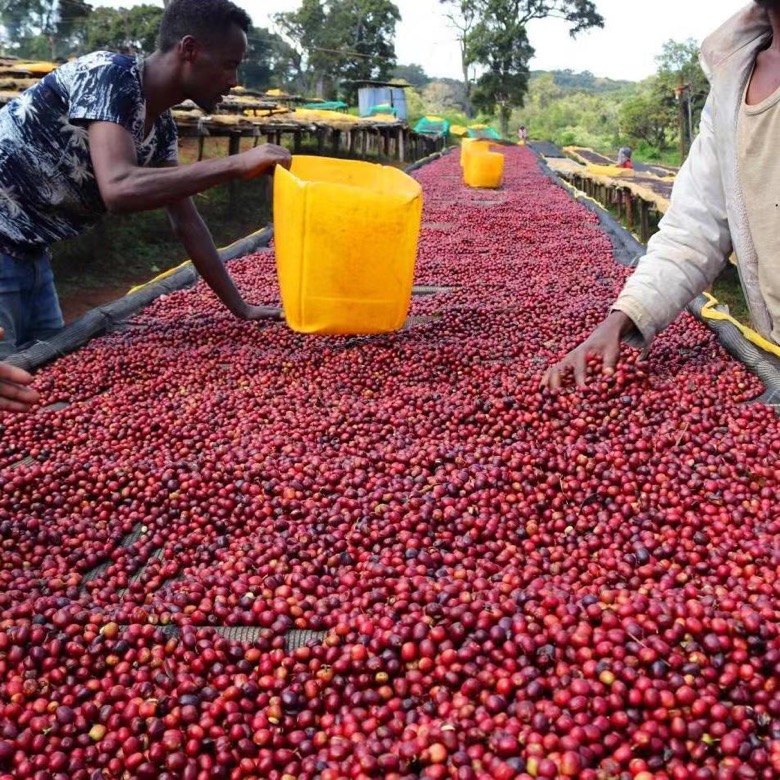
Taking commonly used pour over beans as examples, some bean varieties are particularly well-suited for experiencing different flavor profiles. For instance, certain sundried beans from high-altitude regions often carry distinct citrus, tropical fruit, or even jam-like aromas, making them ideal for savoring the layers of flavor during the pour over process. Others may showcase rich berry juice-like characteristics, whether in cold brew, iced pour over, or SOE (single origin espresso) brewing, all of which can highlight their unique aromatic features. Additionally, there are also beans with relatively restrained flavors, focusing on floral, citrus, and black tea notes, which are suitable for drinkers who prefer delicate and clean tastes and can appreciate their subtle nuances during slow sipping.
In addition to flavor itself, the roast date and storage condition of the beans are also important factors that affect pour over performance. It’s generally recommended to choose freshly roasted coffee beans and to keep them well-sealed after opening, storing them in a cool, dry place away from direct sunlight and moisture. When purchasing, opt for packaging that suits your daily consumption needs, as this makes it easier to observe how the flavor of the beans changes over time. Before brewing, you can first smell the dry fragrance of the beans, and then assess the balance of acidity and sweetness, the body in the mid-palate, and the aftertaste through actual extraction. If the aroma seems lacking, it could be due to too coarse a grind or the beans being past their optimal freshness. Also, the same bean may perform quite differently in hot, iced, or milk-based beverages—so it’s advisable to experiment multiple times and record the results under different parameters to gradually find the brewing method that works best for you.
When selecting pour over coffee beans, you can also separate the considerations of “preferred flavor type” and “acceptable brewing difficulty.” Typically, beans with prominent floral and fruity notes require more precise control over water temperature, grind size, and pouring rhythm to bring out their delicate layers, making them more challenging to brew. In contrast, beans with nutty or cocoa-like profiles are often more beginner-friendly and suitable for those seeking stable and consistent everyday performance. If you have multiple household members enjoying coffee together, you might start with a bean that has a relatively balanced flavor as a base option, and then pair it with other single-origin beans to explore different flavors based on individual preferences. This approach makes it easier to compare and appreciate the differences in flavor.
During actual pour over brewing, it’s recommended to first fix the coffee-to-water ratio and total brew water volume, using grind size as the main variable for adjustment. If the flavor feels overly sharp or lacks body upon tasting, check whether it’s due to under-extraction. If a dry or astringent sensation appears in the finish, consider reducing agitation during pouring or shortening the contact time between coffee grounds and water. It’s advised to adjust only one variable at a time to gradually identify the optimal brewing parameter combination for that particular bean.

If your brewing environment, equipment, or personal taste preferences frequently change, you might also consider keeping two to three different types of coffee beans on hand: one for maintaining stable everyday performance, and another specifically for exploring different flavor experiences—such as floral and fruity notes, nutty profiles, or unique characteristics brought by special processing methods. Once you’ve determined the general roast direction, making fine adjustments to grind size, water temperature, and extraction time often allows for a deeper understanding and control of coffee flavors than frequently switching between beans of vastly different styles.
The above content is compiled by CoffeeHunters, a coffee news website.


