







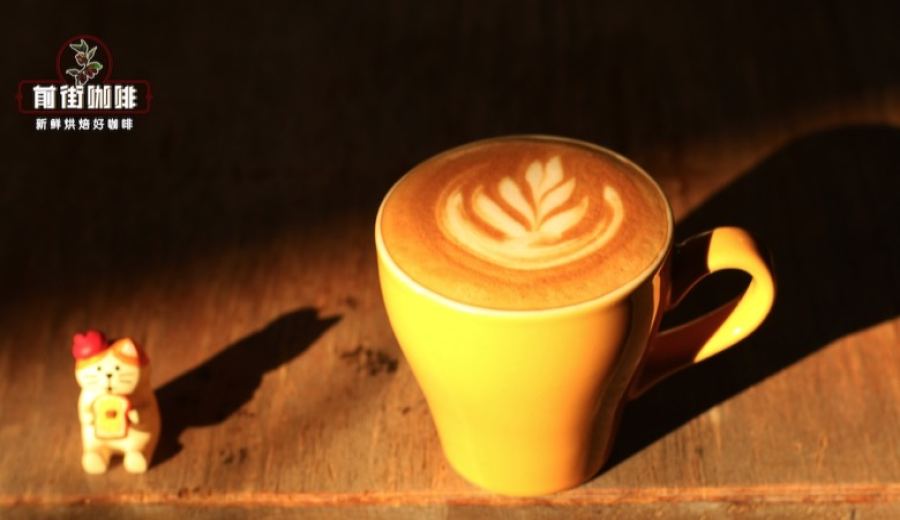
Introduction:A latte is not just coffee with milk. Choosing the right beans and flavor profile is what lets you enjoy your own unique style of coffee. This article takes an in-depth look at the two main types of lattes—classic and flavored—covering everything from bean characteristics and roast levels to brewing parameters and pairing suggestions. This will help you find the perfect latte combination based on your personal taste, whether you're looking for a daily pick-me-up or an afternoon treat, ensuring a satisfying cup every time.
Before ordering a latte, ask yourself: Do you crave a bold, solid milk coffee, or one full of fun and varied flavors? This simple choice essentially splits the world of lattes in two and directly influences how you should select your coffee beans. Without clarifying your direction, even the highest-grade beans might not deliver the flavor you’re hoping for.
The so-called classic route emphasizes the harmonious resonance between the coffee beans and milk, with flavor profiles typically falling within the range of nuts, chocolate, and caramel. The overall presentation values balance, richness, and drinkability. One representative of this route is the classic blend, which uses Brazilian beans as its base, delivering distinct notes of nuts and dark chocolate. When combined with milk, it creates a smooth and mellow texture that remains enjoyable even with repeated sips. If you prefer a bolder taste, you can opt for a cocoa-toned blend, whose flavors are as rich and thick as hot chocolate, offering instant satisfaction upon the first sip.

In contrast, the flavored route puts the unique characteristics of the coffee beans themselves center stage, highlighting the distinctive flavors brought by the origin and processing method, without relying on additional syrups. For example, Ethiopian Yirgacheffe processed with the natural (sun-dried) method locks in floral and citrusy sweetness into the beans. The resulting latte is like a fruit tea—fresh, bright, and layered. There are also blends with a strawberry-like sweet aroma, whose flavors are akin to childhood fruit candies melting into coffee. The natural sweetness is pure and doesn’t need syrup to leave a lasting impression.
Not only the beans themselves, but the brewing methods for these two routes can also be finely adjusted. Beans for the classic route are usually roasted darker, and it’s recommended to grind them slightly finer and extend the extraction time moderately. This helps fully showcase the rich, mellow body and caramelized flavors. On the other hand, since the flavored route often uses lighter-roasted beans, the grind should be slightly coarser and the extraction time shorter to preserve bright acidity and floral notes. These delicate qualities remain identifiable even after adding milk. Remember, brewing parameters must be adjusted according to the route you choose to truly bring out the personality of each bean.
If you’re unsure where to start, take a look at your usual preferences when drinking black coffee. If you often enjoy the boldness and slight bitterness of dark roasts, then the classic route may suit your palate better. If you prefer the fruity acidity and floral notes of light roasts, the flavored route will bring you more joy. Another practical approach is to buy half a pound of each type of bean and brew them alternately for a week. After a week of tasting and comparing, your taste buds will naturally tell you which option suits you best.
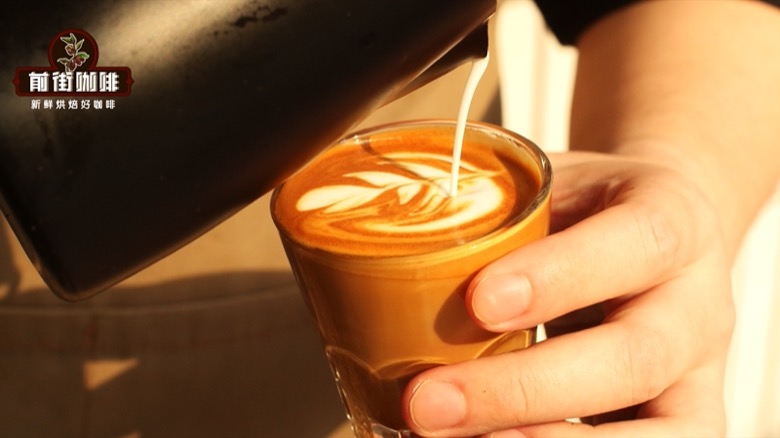
Beyond beans and brewing, even cups and food pairings can be differentiated according to the route, enhancing the overall drinking experience. Thick-walled ceramic cups offer good heat retention, making them perfect for rich, classic lattes. Transparent glass cups, on the other hand, showcase the gentle layering beauty of flavored lattes in milk, adding a visual treat. When it comes to pairings, classic lattes go well with buttery treats like scones and croissants, while flavored lattes complement berry desserts. The fruity aromas in the cup resonate with the fruit on the plate, elevating the entire afternoon tea experience. These small details may not cost much, but they add a sense of ritual to each cup.
In summary, there’s no absolute superiority between the classic and flavored latte routes—the key lies in your current mood and needs. On a busy weekday morning, a solid classic latte can kickstart your day reliably, while on a weekend afternoon, a uniquely flavored latte is like opening a little window in everyday life, allowing you to relax and enjoy. It’s recommended to keep both types of beans in your coffee stash, so you can fully explore the diverse pleasures of the latte world.
The above content is compiled by CoffeeHunters, a coffee news website.

