







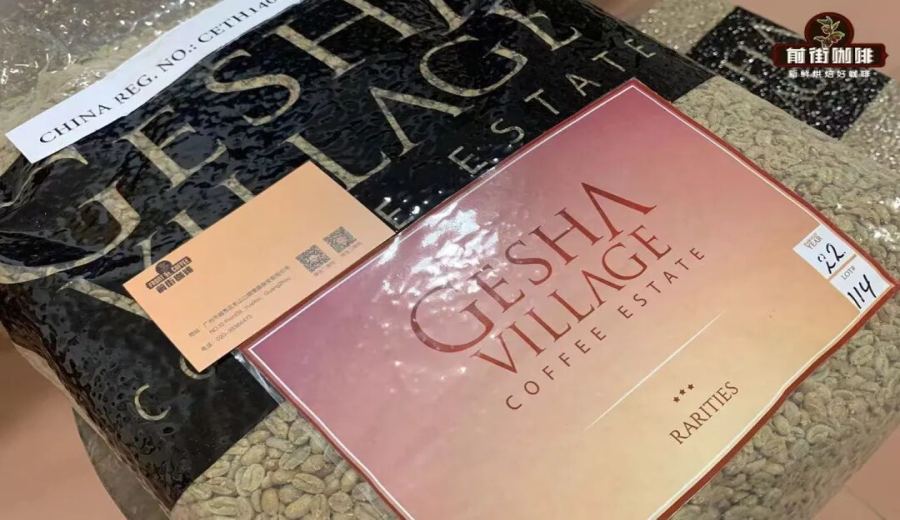
Introduction:Want to dive deep into the origins, grading, and characteristics of Ethiopian Gesha coffee? This article will take you from the discovery history of the Gesha variety to an in-depth introduction of the Gesha Village farm located in the Bensa district, analyzing its unique geographical background, flavor differences across eight distinct plots, as well as the rigorous Gesha coffee grading system. Moreover, it provides practical pour over recommendations and parameters to help you fully experience the multi-layered flavors of Gesha. It’s a comprehensive guide worth reading for both beginner and advanced coffee enthusiasts.
Many coffee lovers often confuse Ethiopian Gesha with Panamanian Gesha when they first encounter it. In fact, the reason Panamanian Gesha is world-renowned is that its variety roots can be traced back to Ethiopia’s Gesha forest. As early as 1931, this unique coffee variety was first discovered in Ethiopia’s Gesha forest, and subsequently sent to the Coffee Research Station in Kenya in 1932, before being introduced to Tanzania, Uganda, Colombia, and finally arriving in Panama in the 1960s. However, it wasn’t until 2004, when Panamanian Gesha won the Best of Panama (BOP) competition, that the variety truly shone on the global stage—yet it actually originates from Ethiopia’s native coffee population.
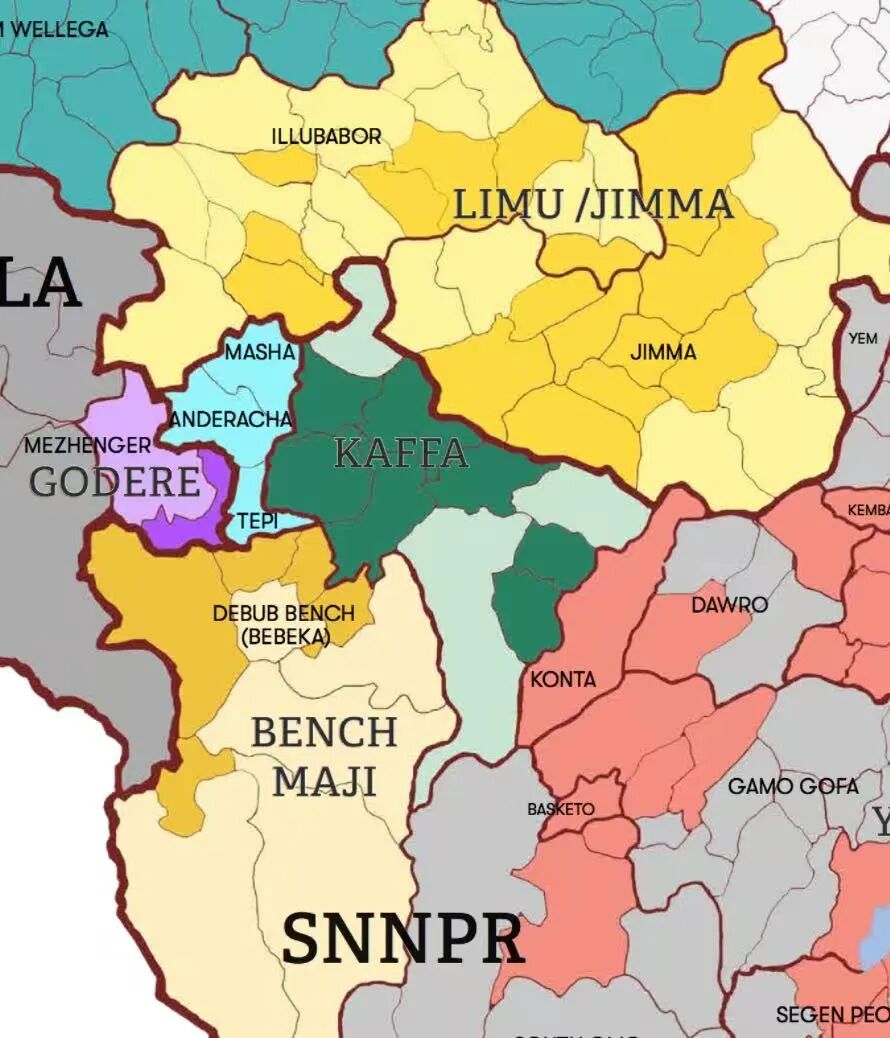
Ethiopia is not only the birthplace of the Gesha variety but also globally recognized as the cradle of coffee, with coffee deeply embedded in the local culture and economy. The country boasts nine renowned coffee-producing regions, including Yirgacheffe, Sidamo, and Harrar, while Gesha Village Coffee Estate is situated in the Bensa district, also known as the Bench Maji zone. This area spans a vast area of 23,442.76 square kilometers, bordering Sudan and the Gambela Region, and is one of the important regions where the original Gesha variety is cultivated.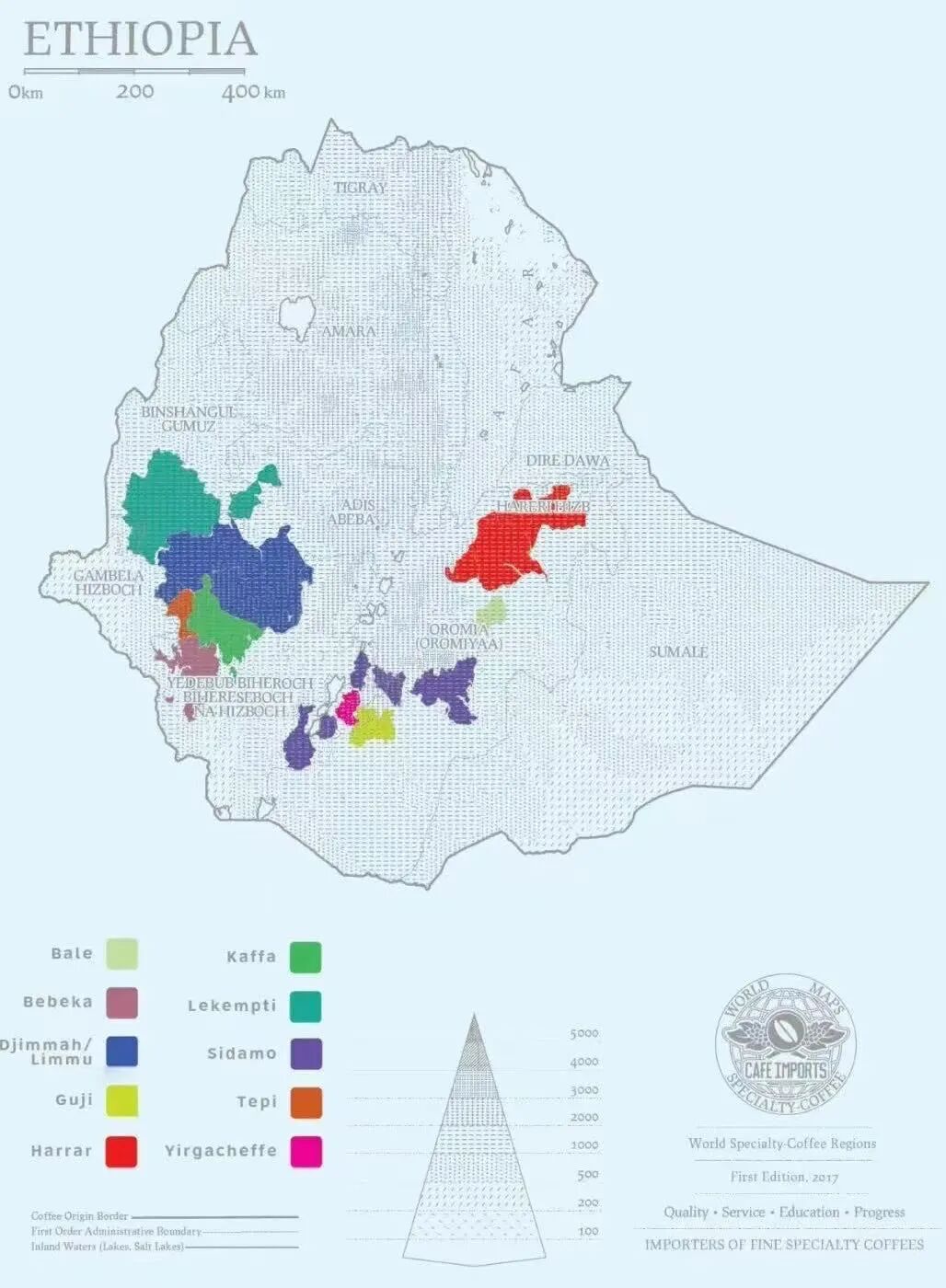
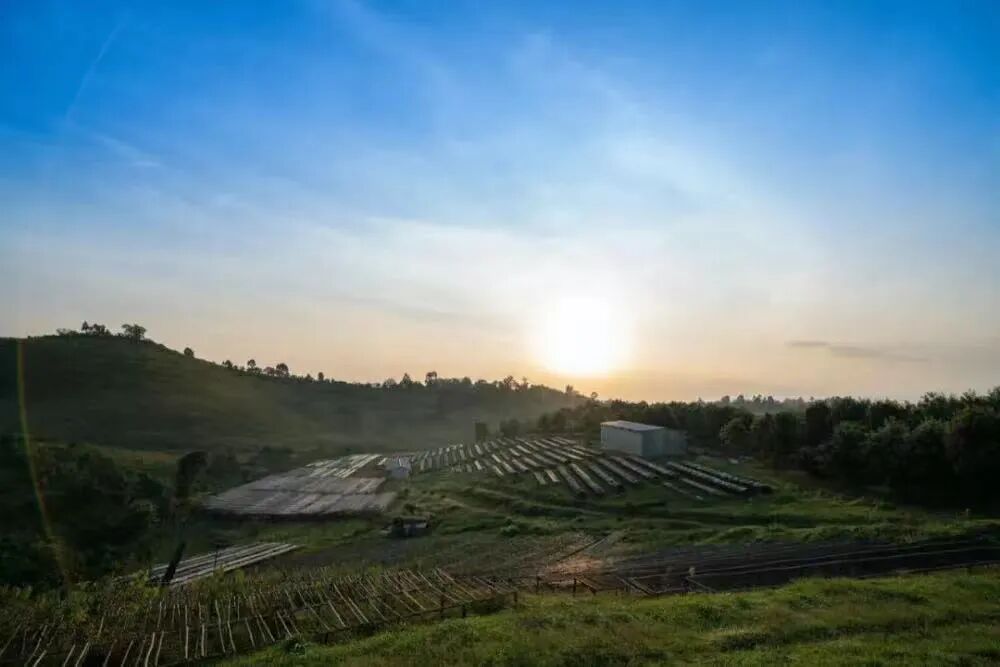
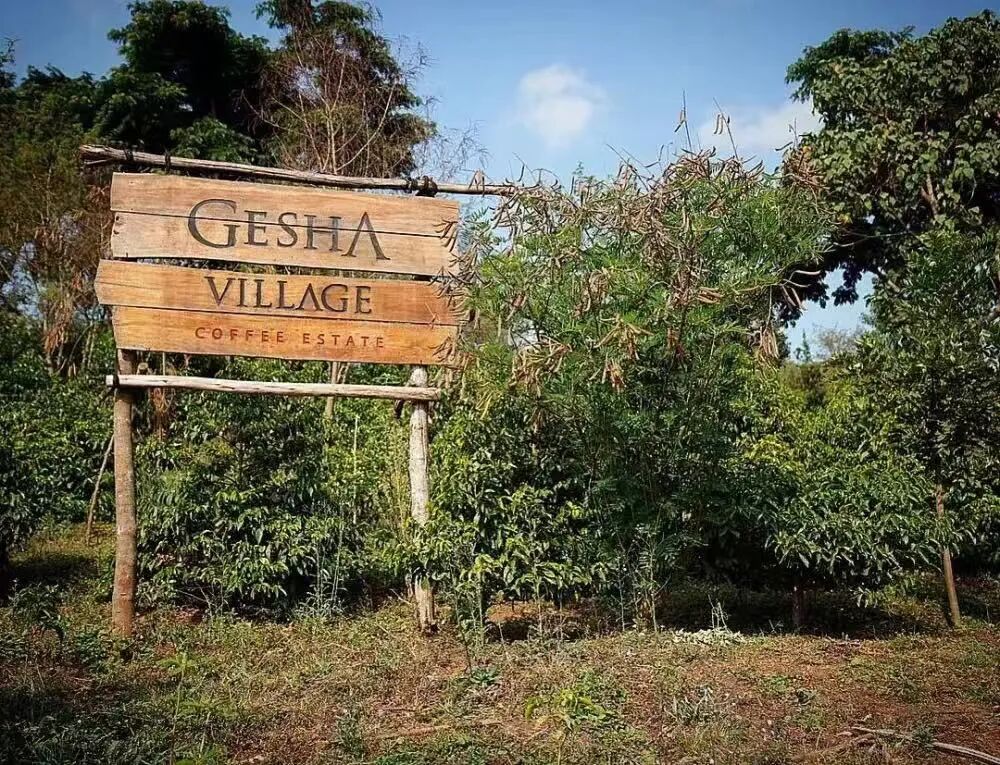
The story of Gesha Village dates back to 2007, when documentary filmmaker Adam Overton and his photographer wife Rachel Samuel were invited to Ethiopia to shoot a coffee-themed documentary. During the filming process, they visited the Gorii Forest in Bench Maji, were deeply inspired, and conceived the idea of establishing a coffee farm. In 2011, after exchanging ideas with BOP judge Willem Boot, they returned to Bench Maji, explored the local forests, and discovered various wild coffee trees, some of which closely resembled Gesha. They selected among these varieties for planting and officially established Gesha Village, covering an area of approximately 471 hectares, with an actual coffee planting area of 320 hectares and a planting density of about 7,000 coffee trees per hectare.
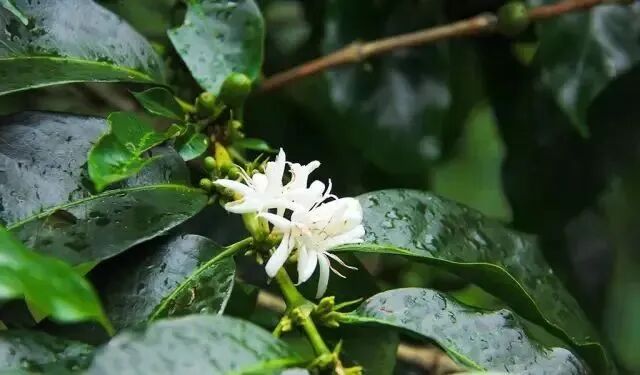
Gesha Village consists of eight farms, each exhibiting unique flavors due to differences in altitude, microclimate, and soil conditions: Bangi (1911–2001 meters), Dimma (1966–2019 meters), Gaylee (1916–1982 meters), Oma (1931–2040 meters), Narsha (1963–1977 meters), Surma (1909–2063 meters), Shewa-Jibabu (1973–2069 meters), and Shaya (1926–2069 meters). For example, coffee from the Bangi plot often carries aromas of honeysuckle and spices, with flavors of dark chocolate, berries, and blackcurrant; whereas Gesha from the Oma area exhibits fruity notes such as redcurrant, jasmine, and peach, with a honey-like sweetness in the aftertaste. Each block is supported by the local community and, due to variations in terrain and microclimate, gives Gesha a distinctly unique personality.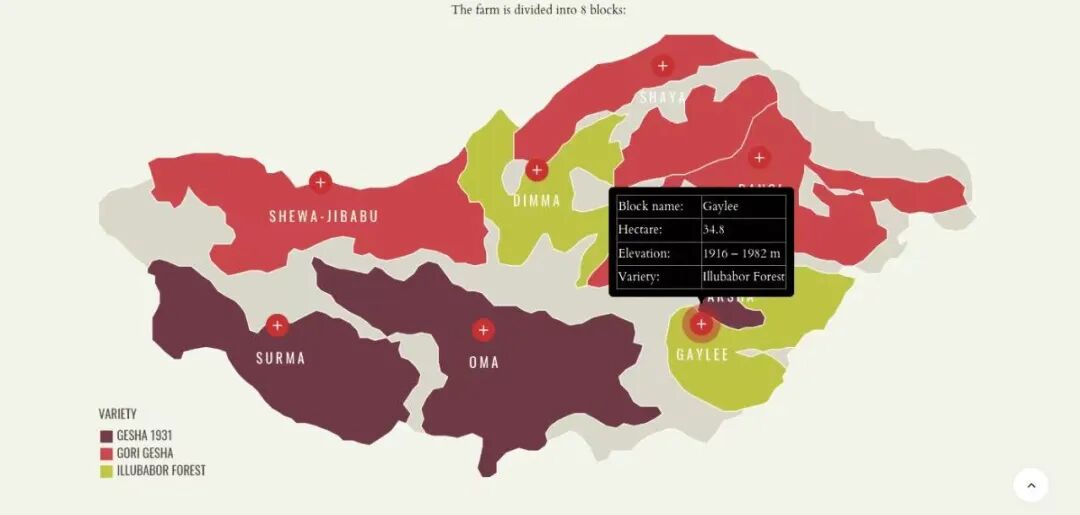
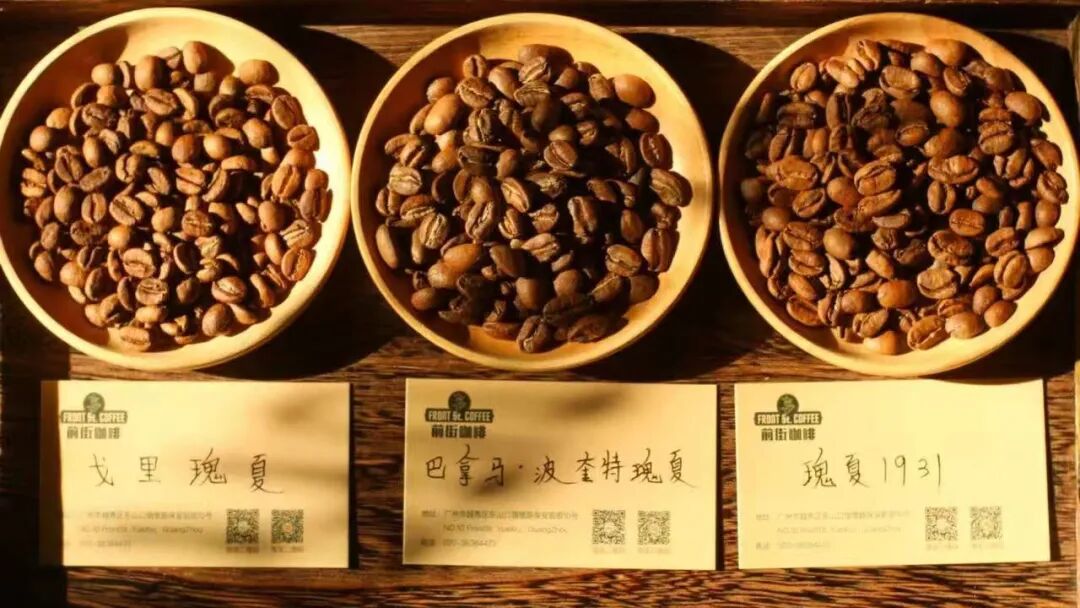
Although both Gesha Village and Panamanian Gesha share the name “Gesha,” their actual varieties are different. Gesha Village primarily cultivates two varieties: Gori Gesha (abbreviated as GG) and Gesha 1931 (abbreviated as G31). The GG variety has high genetic diversity and differs in appearance from Panamanian Gesha, while G31 closely resembles Panamanian Gesha in both appearance and flavor. Additionally, Gesha Village grows a special variety called Illubabor Forest 1974 (IF), which was discovered in the Illubabor forest in 1974 and cultivated by the Ethiopian Coffee Research Center, featuring natural disease resistance.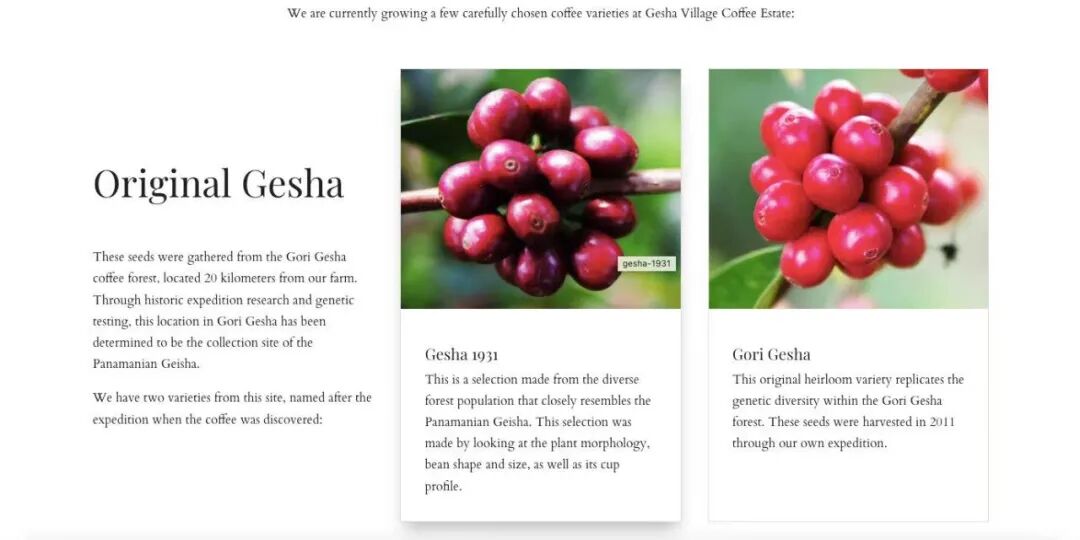
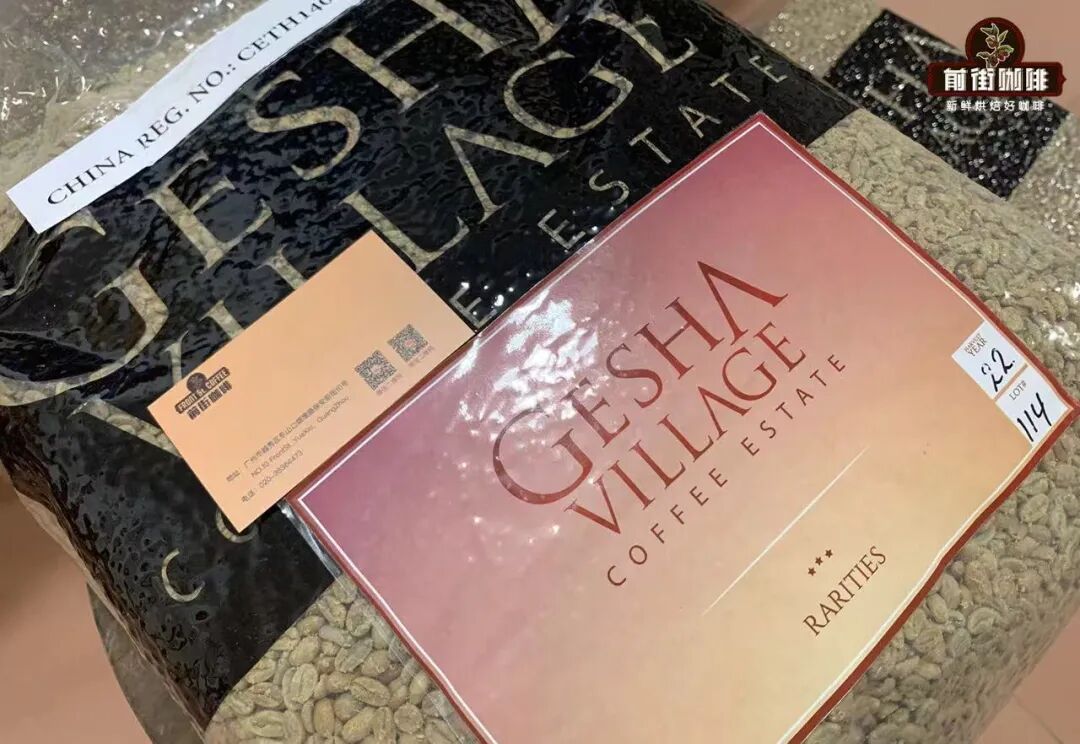
Gesha Village implements a strict internal grading system, divided into Auction, Gold, Red, Green, and Chaka lots. The Auction lot accounts for only 3.7% of the annual production and represents the highest-grade Gesha, available only through global auctions, further divided into Champion Selection and Estate Selection; the Gold lot makes up about 10%, offering complex and layered flavors, and is a choice for many barista competitions and high-end roasters, with extremely high cupping scores; the Red lot accounts for about 15%, with cupping scores exceeding 88 (SCA standard), offering great value while still showcasing Gesha Village’s classic flavors; the Green lot consists of single-plot and single-variety offerings with complete traceability information; the Chaka lot is a blended batch, encompassing three varieties and processed using both natural and washed methods, suitable for consumers wanting to experience multiple flavors at once.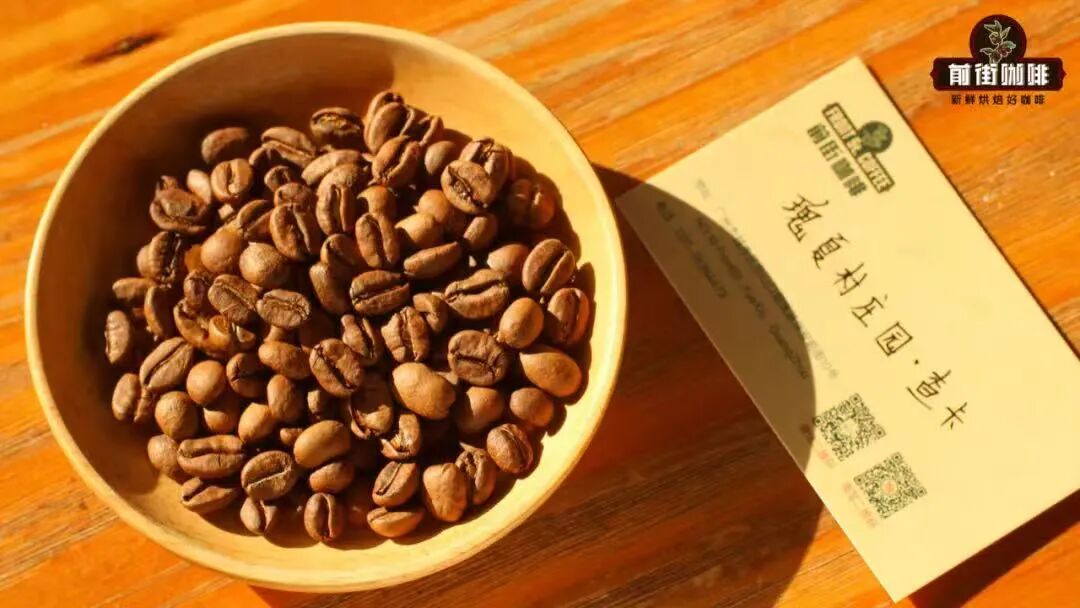
If you want to brew a cup of Gesha Village coffee at home, here is a set of practical parameters for reference: recommended coffee dosage is 15 grams, coffee-to-water ratio 1:15, water temperature controlled at 92°C, grind size suggested to be 10 on the Ek43 grinder, approximately 75% passing rate on a #20 sieve. It is recommended to use a Hario V60 #01 filter cone, brewing in three pours: the first pour adds 30 grams of water for a 30-second bloom, the second pour adds 95 grams of water (total 125 grams), completed within about 1 minute, the third pour adds another 100 grams of water (total 225 grams), with a total extraction time of about 2 minutes. These parameters are suitable for high-quality Gesha such as Gold and Red lots, fully showcasing their delicate layers of floral, citrus, and fruity notes.
After actual brewing, different grades of Gesha Village coffee also show clear differences: the Gold lot often carries aromas of chamomile, citrus, cream, and oolong tea, with a juice-like refreshing taste and an aftertaste of plum and clean acidity; the Red lot exhibits rose floral notes, fermented wine aromas, and berry tones, complemented by oolong tea and strawberry notes in the finish; the Green lot offers balanced flavors, interweaving citrus, cream, and chocolate, with a rich and clearly layered mouthfeel; the Chaka lot, due to its blended processing, presents multiple flavors including fermentation notes, citrus, grapefruit, and caramel, suitable for drinkers who enjoy complex taste profiles.

The above content is compiled by CoffeeHunters, a coffee news website.

