







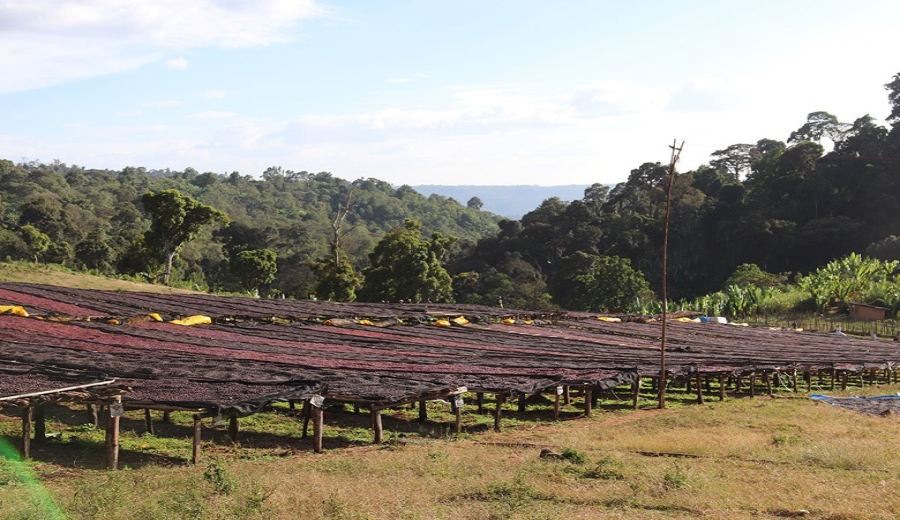
Introduction:The growing emphasis among pour over coffee enthusiasts on farm information is not just a trend, but a reflection of a deeper understanding—because even within the same region, coffee beans from different farms can exhibit remarkably distinct flavor profiles. Learning about a coffee’s farm origin helps you evolve from simply selecting a region to precisely choosing a specific farm, allowing you to more deeply grasp the sources of coffee flavors. This article will guide you through how farms influence flavor, and how to discover stable and distinctive coffee beans through farm stories and auction systems.
In the world of specialty pour over coffee, the importance of farms is becoming increasingly prominent. Even within the same region, the flavor profiles of coffee beans produced by different farms can vary dramatically. This is because a farm, as a smaller unit within a region, further breaks down the various factors that influence coffee flavor. When you start paying attention to farm traceability, your bean selection strategy upgrades from “choosing a region” to “choosing a farm,” enabling you to more accurately capture the uniqueness of each cup.
Farms become a key determinant of flavor because they concentrate numerous variables that impact coffee quality. Although soil, altitude, and microclimate may be broadly similar within the same region, differences in farming management, harvesting standards, and processing methods often dictate the final performance of the coffee beans. Farms that meticulously select ripe fruit, process in batches, and precisely control drying conditions can fully showcase the terroir potential of the region; conversely, those with lax management, even if located in premium regions, often struggle to produce outstanding coffee. As a result, even among coffee beans from the same region and processed using the same method, the flavor gap between renowned farms and smallholder producers can be extremely pronounced.
Behind every farm lies a flavor story. When you understand the detailed traceability information of a coffee bean—including its planting location, management team, processing method, and altitude—these specifics transform the flavors in your cup from something abstract into something tangible and traceable. For instance, when you taste floral notes, you might associate them with a specific microclimate; when you sense rich fruit jam flavors, you might deduce they result from a certain sun-drying method. This kind of understanding, tracing flavors back to their production processes, makes the coffee experience richer and more layered.
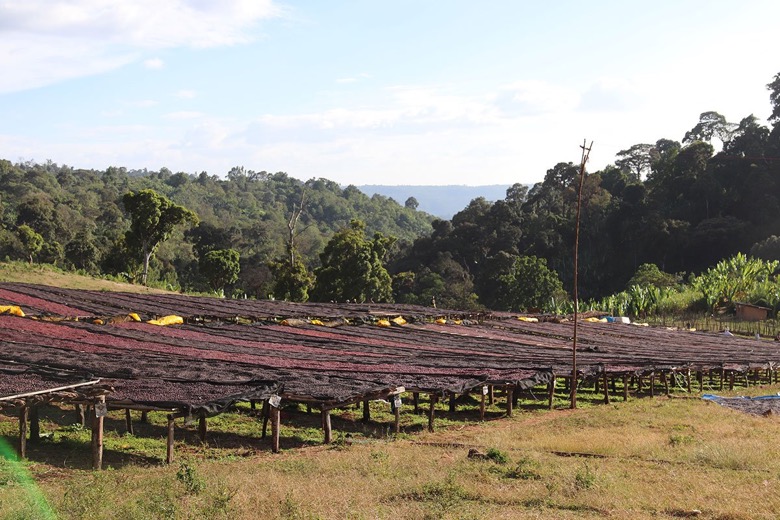
In the realm of farm traceability, farms participating in auction systems are considered top-tier selections. International competitions such as the Best of Panama (BOP) publicly evaluate and rank the flavor performances of various farms, giving winning farms’ coffee beans a clear flavor endorsement. Choosing coffee from these award-winning farms is akin to securing a professionally reviewed and verified flavor guarantee. For example, the Panamanian Geisha sold by one coffee merchant, sourced from the famed Finca Elida and Finca La Esperanza, are both repeat champions in the BOP competition. These farms not only deliver exceptional flavors but also offer consistent quality as a solid foundation.
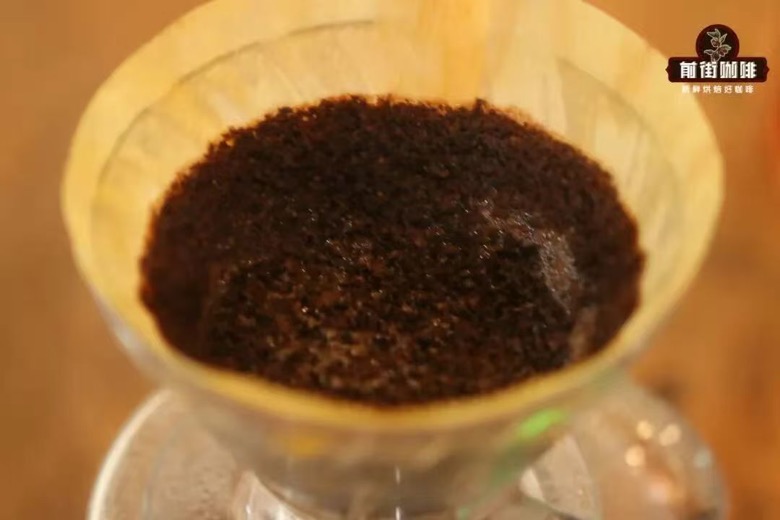
When selecting farm coffee, consistency in processing methods is also an important consideration. The reason renowned farms build their reputations isn’t just due to standout performance in a single year, but their ability to maintain stable flavor output year after year. The value of farm traceability lies in helping pour over enthusiasts zero in on several flavor-reliable, high-quality bean options, without having to face the uncertainty of a blind draw with every purchase. For instance, the Hambela coffee from one merchant comes from a well-known farm in the Guji region, while the Yirgacheffe originates from the Kochere Cooperative. These farms not only have clear traceability but also relatively stable flavor performances, making them worthy long-term choices for quality seekers.
The shift from region to farm signifies a deepening of flavor understanding among pour over coffee enthusiasts. A region provides a broad flavor outline, while a farm reveals the specific sources and nuances of flavor. When you deepen your bean selection strategy to the farm level, each cup of coffee will carry more interpretable stories and terroir characteristics, making your pour over experience richer and more personally meaningful.
The above content is compiled by CoffeeHunters, a coffee news website.


