







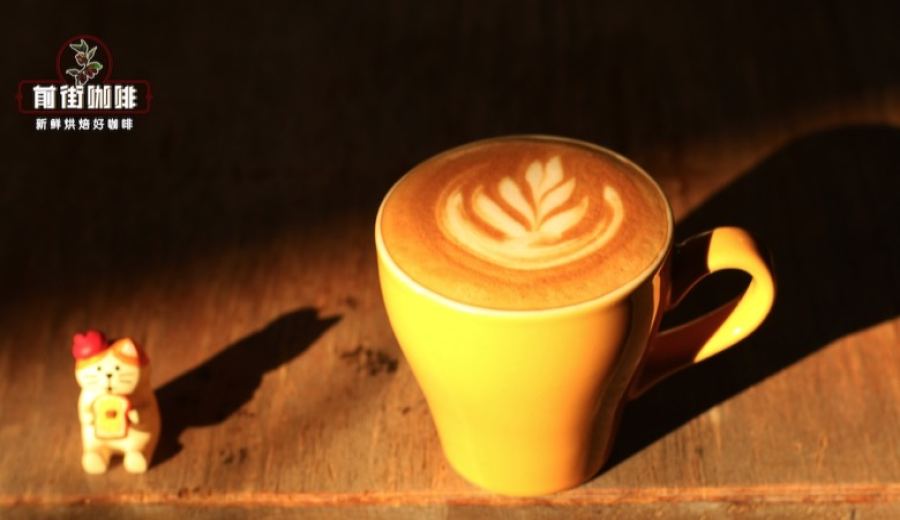
Introduction:Latte is not a staple in the daily lives of Italians, but rather an evolution that emerged after its introduction to the United States. This article takes you on a journey exploring how latte transformed from a breakfast sidekick into a globally popular milk coffee, and analyzes how the choice of beans has changed with the times and consumer preferences. From dark roast blends to single-origin SOEs, learn about the evolution of latte flavors to help you make more satisfying choices when brewing or ordering.
Latte, this widely loved milk coffee, may be one of the most misunderstood coffees in the world. Many people assume it’s a common drink for Italians, but in Italy, the star of the breakfast table is the well-balanced cappuccino, not the milk-heavy latte. The true “high-milk” latte gradually took shape after the 20th-century immigration to the United States, becoming the familiar version we know today. This century-spanning flavor journey also faithfully reflects how the selection logic of coffee beans used in lattes has evolved over time.
The story begins in Europe. As early as several hundred years ago, Europeans started combining milk with coffee. France’s café au lait, made with brewed coffee and an equal proportion of hot milk, became a classic breakfast choice for locals; in Italy, cappuccino is famous for its iconic 1:1:1 ratio — a balanced combination of espresso, steamed milk, and fine foam. However, at that time, these milk-based coffees were generally considered breakfast-only drinks, not all-day coffee options.
The turning point came in the late 20th century in Seattle, USA. With the widespread adoption of commercial espresso machines, local cafés began adjusting their recipes to cater to American consumer preferences: increasing the proportion of milk, reducing the thickness of the foam, making coffee a backdrop while milk took center stage. These adjustments laid the foundation for the modern latte — a beverage where milk aroma dominates, yet still retains the structure of coffee. Subsequently, the rise of chain brands like Starbucks further propelled the latte to global markets, making it the “first cup” for many people to experience coffee.
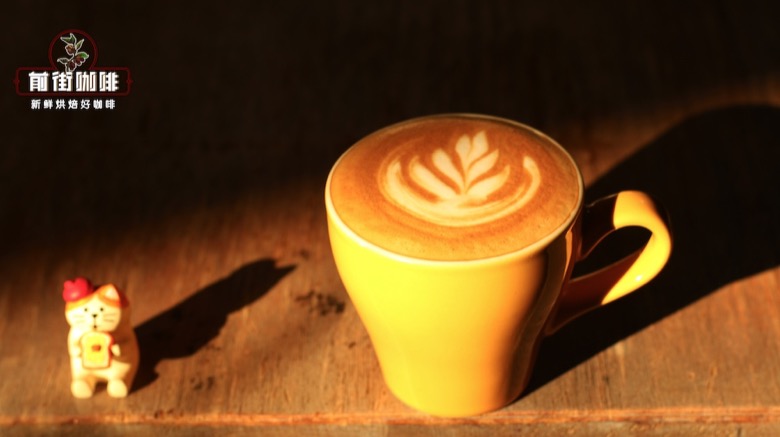
The choice of coffee beans used in lattes also continued to evolve along with this wave of popularization. In traditional Italian times, milk-based coffees like latte typically used dark-roasted Arabica blends, sometimes with a small amount of Robusta added to enhance flavor intensity. The rich roasted aroma and heavy body perfectly balanced the large amount of milk, which was the typical choice of the time. During the era dominated by chain coffee brands, this style of dark-roast commercial blends continued, with even greater emphasis on standardization and cost control to ensure consistent flavor across all outlets.
After the rise of the specialty coffee movement, things began to change. Medium-roast specialty blends gradually gained popularity, introducing sweeter flavor notes such as nuts and caramel, making the overall flavor profile of lattes smoother and more appealing. At this time, blends with specific origin names, such as Brazil Cerrado and Colombia Huila, became new representatives of milk coffee beans, emphasizing traceability and layered flavor profiles.
In the past decade, the selection of beans for lattes has entered a phase of diverse development. Flavor-oriented blends have seen clear segmentation — for example, the “Strawberry Candy Blend,” which emphasizes fruity and sweet notes, delivering aromas reminiscent of strawberry taffy and is very suitable for consumers who prefer fresh flavors; the “Dark Cocoa Blend,” which favors chocolate tones, has become another popular choice due to its excellent compatibility with milk; there’s also the “Autumn Chestnut Blend,” which highlights seasonal characteristics with chestnut-like sweetness, attracting users who enjoy a mild and smooth taste.
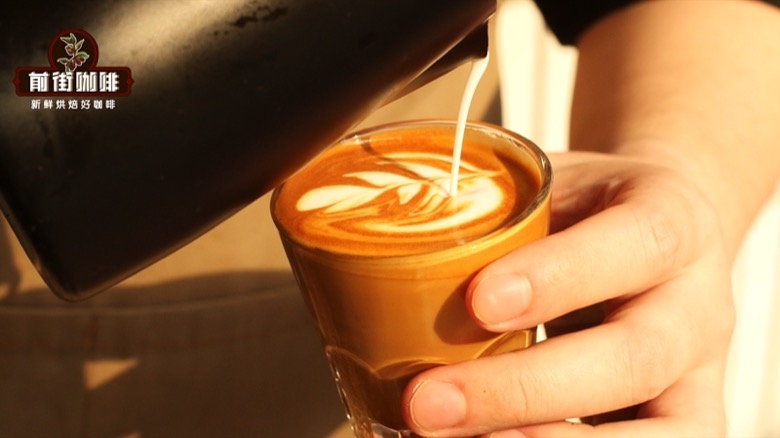
At the same time, the trend of using single-origin beans (SOE, Single Origin Espresso) to make lattes has also gradually emerged. For instance, single-origin beans from Brazil’s Queen Estate, known for their mellow and rich character, prove that even without blends, lattes can still showcase distinct regional flavor profiles. For coffee enthusiasts who stick to tradition, the dark-roast retro route remains steadfast — such as Indonesia PWN’s Golden Mandheling, which, with its rich body and low acidity, satisfies those who prefer a “strong, original coffee flavor.”
Looking back at the evolution of latte beans, it is actually a history of the democratization of consumer tastes. From the early days when “coffee decided what you drank” to today when “you choose the beans based on the flavors you want,” the range of choices we have when it comes to lattes is broader than ever before. Whether you’re drawn to bold richness, prefer sweet flavors, or seek smoothness and uniqueness, you can find a latte bean that suits your palate. Next time you’re standing at a coffee shop counter or preparing to brew a latte at home, consider this: which important milestone in the century-long evolution of latte flavors does the bag of beans in your hand represent?
The above content is compiled by CoffeeHunters, a coffee news website.

