







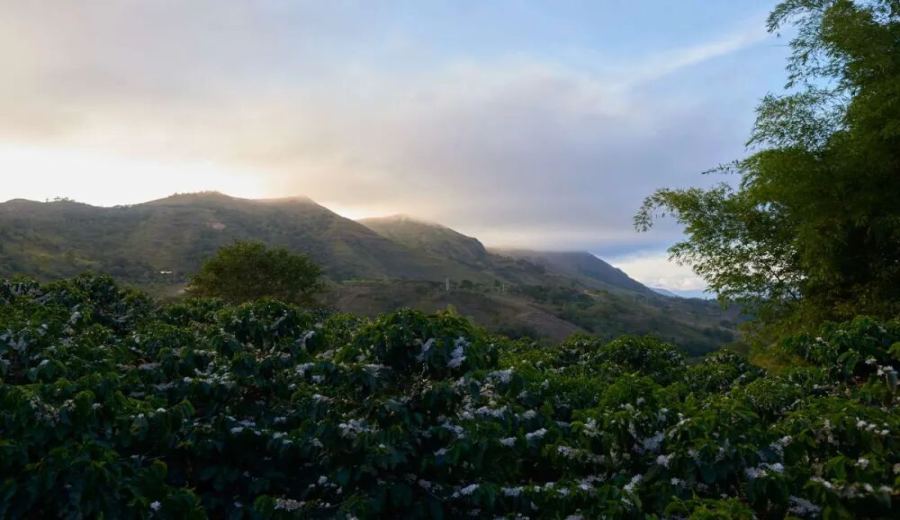
Introduction:Want to explore the diverse charm of Colombian coffee beans? This article delves into the main specialty coffee-growing regions of Colombia, unravels why the renowned Huila coffee often boasts captivating chocolate notes, and details how altitude, processing methods, and climate influence flavor profiles. Whether you're just starting out or searching for your next pour over bean, you’ll find practical insights here.
Walk into any professional café, and Colombian coffee beans always have a place of honor—not just for their consistent quality, but also due to their varied flavor profiles. From bright acidity to rich sweetness, Colombia’s diversity caters to the tastes of all coffee lovers. Among them, beans from the Huila region are especially famed for their prominent chocolate and caramel tones.

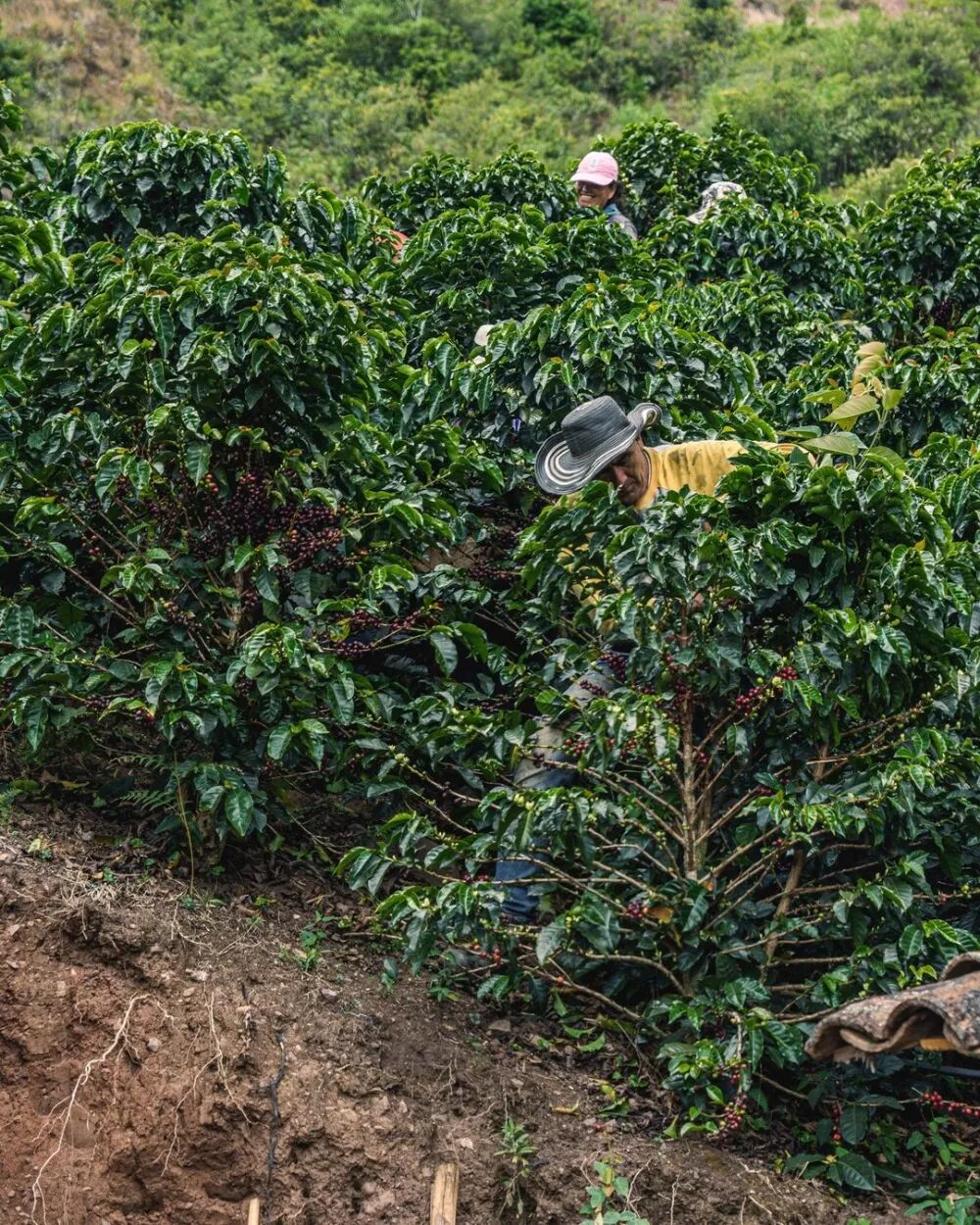
Colombia boasts uniquely favorable geographic conditions. Its mountainous terrain and diverse microclimates provide an almost perfect environment for growing Arabica coffee. Compared to many other Central and South American coffee-producing countries, Colombia’s mountains and highlands not only offer ideal altitudes but also create numerous coffee farms with distinctive microclimates—key factors behind its continuous output of high-quality coffee.
Among the many regions, the “MAM” triangle formed by Medellin, Armenia, and Manizales is the most well-known. These mid-altitude areas have long been recognized for their stable flavor profiles. However, when it comes to specialty coffee potential, the southern regions are truly the stars—such as Huila Province’s San Augustin (altitude generally above 1500m), Cauca Province’s Popayan, as well as Narino and Tolima. Coffee from these areas typically exhibits delicate acidity, rich berry notes, and pronounced caramel sweetness.
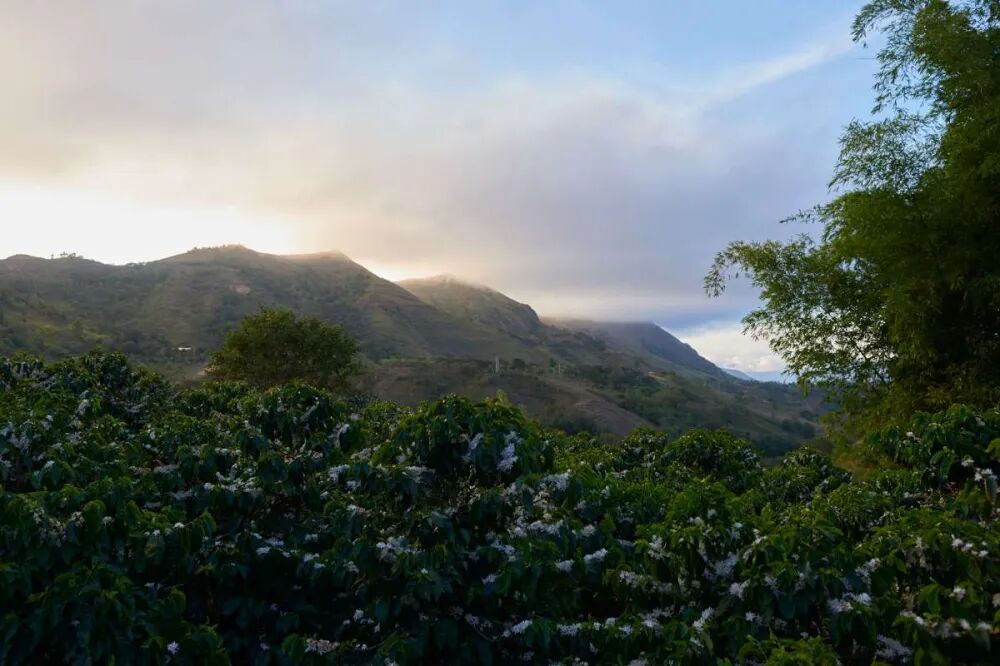
Focusing on the Huila region, this coffee powerhouse in southwestern Colombia is not only one of the country’s main cultivation zones but has also built locally distinctive coffee brands through its small-region reputations. Although the area hosts numerous high-quality coffee farms, overall infrastructure remains under development. Many smallholder farms still need to upgrade their green bean drying and washed processing facilities, which means the region’s full potential is yet to be realized. Nevertheless, Huila continues to steadily produce high-quality washed beans and remains a go-to source for many roasters’ everyday blends.
Looking back at the history of Colombian coffee, there are various accounts of its origins, but the most widely accepted is that Jesuit priests introduced it in 1723. Initially, coffee did not gain immediate widespread attention until production noticeably increased by the late 19th century. By 1912, coffee exports accounted for 50% of the country’s total foreign sales, highlighting its growing importance. Colombia also carved out a unique marketing strategy by creating the iconic farmer figure “Juan Valdez” and his classic mule-toting logo, successfully establishing a national coffee brand identity and positioning Colombian coffee as a premium choice in the U.S. market.
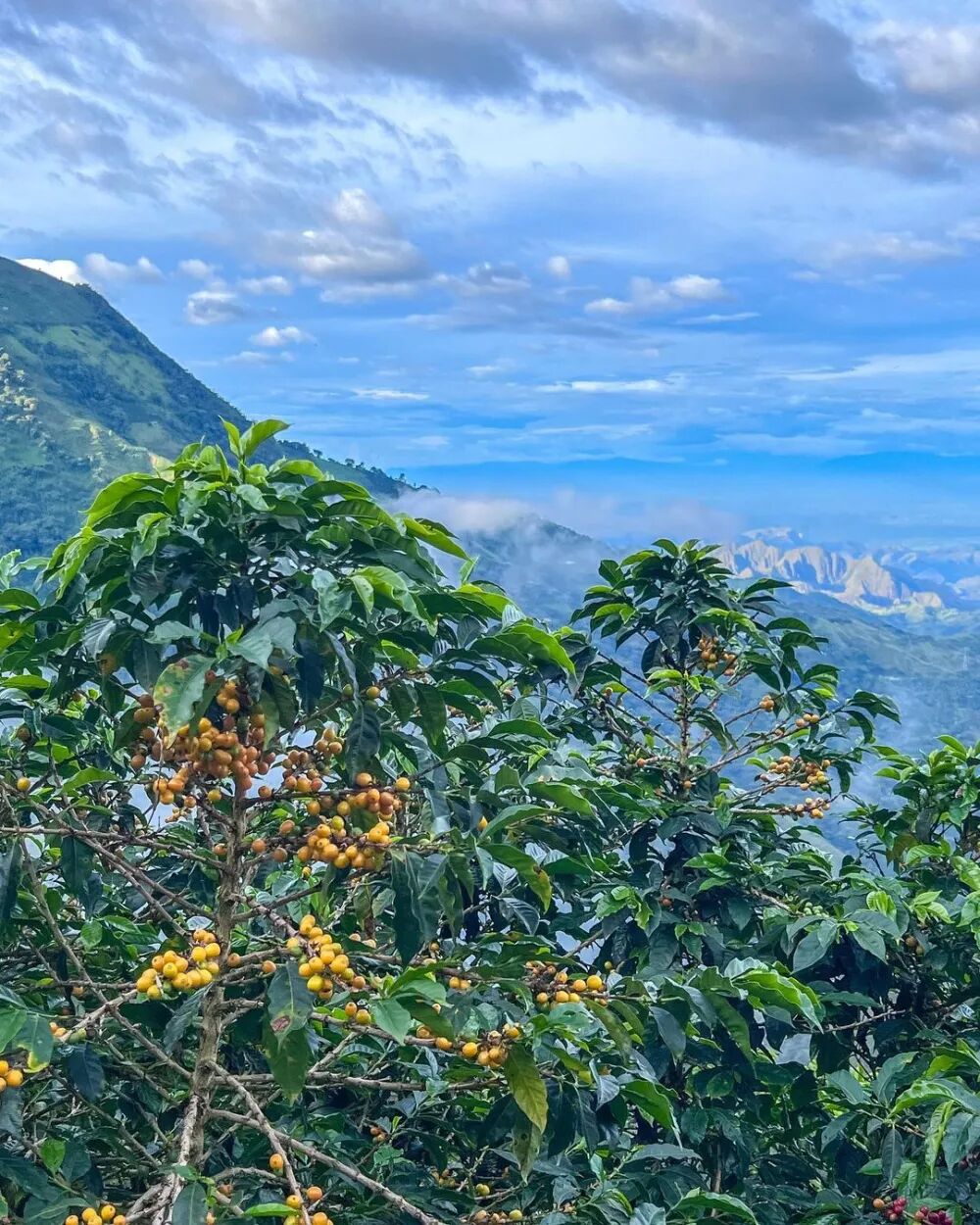
When discussing the success factors of Colombian coffee, its terrain and climate contributions cannot be overlooked. From a topographic map, the country’s western region is formed by three major mountain ranges: the Western Cordillera bordering the Pacific Ocean, the Central Cordillera (encompassing the Cauca and Madeliene regions), and the Eastern Cordillera. These mountain ranges not only provide ample shade but also create countless microclimatic zones, with well-known producing areas like Medellin benefiting greatly. The high altitude and significant diurnal temperature variation allow coffee cherries to ripen slowly, accumulating richer flavor compounds.
According to statistics, Colombia is currently the world’s third-largest coffee producer. Before Vietnam’s Robusta boom, it ranked second only to Brazil. Notably, a 2019 report by Colombia’s National Federation of Coffee Growers (FNC) stated that the country is also the world’s largest producer of washed Arabica coffee—an achievement underscoring its emphasis on quality and processing techniques.
Among the many regions, Huila Province is undoubtedly Colombia’s golden coffee zone. Data from 2016 shows that the province produced 2.6 million bags (each 60kg) of coffee, accounting for 18% of the national total, with over 154,800 hectares dedicated to coffee cultivation. But Huila’s value goes far beyond volume—its coffee quality is equally exceptional, having received multiple accolades from international specialty coffee competitions (such as the COE Cup of Excellence), proving its extraordinary potential.
Taking a closer look at Huila’s coffee-growing environment, the region is primarily nestled among the central and eastern Andes mountains and includes parts of the Magdalena Valley, resulting in dramatically varied microclimates. According to FNC data, local farms generally sit between 1200 and 1800 meters above sea level, with average annual temperatures maintaining an ideal range of 17 to 23 degrees Celsius. Coupled with mineral-rich volcanic soils, these conditions provide an optimal growth environment for coffee trees. The most notable characteristics of Huila coffee are its smooth, rich body and excellent flavor balance. Common aromas include nuts, chocolate, and caramel, with pronounced yet non-sharp acidity—the overall profile akin to a refined coffee gentleman.
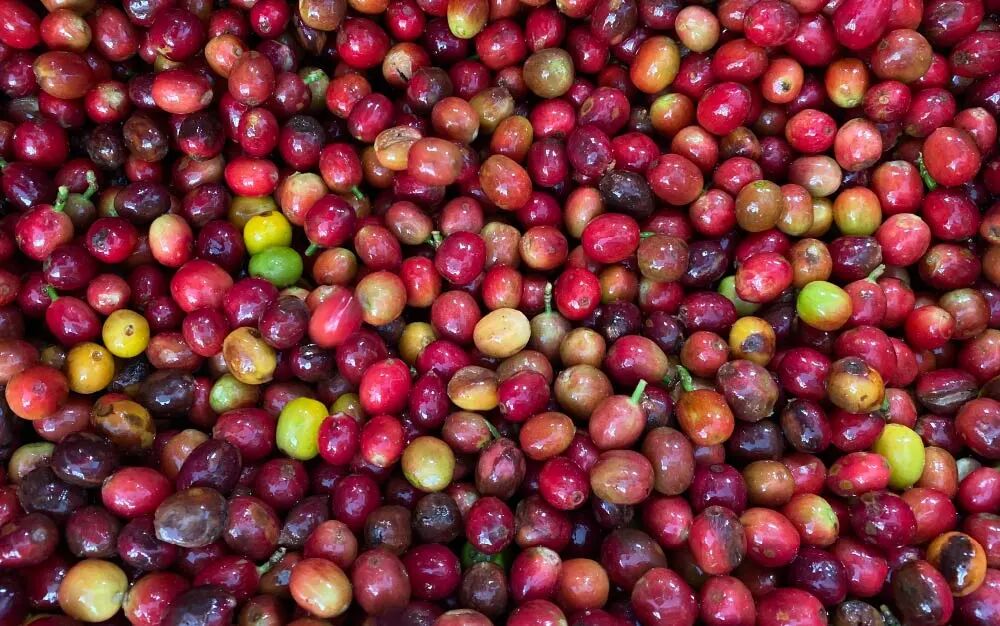
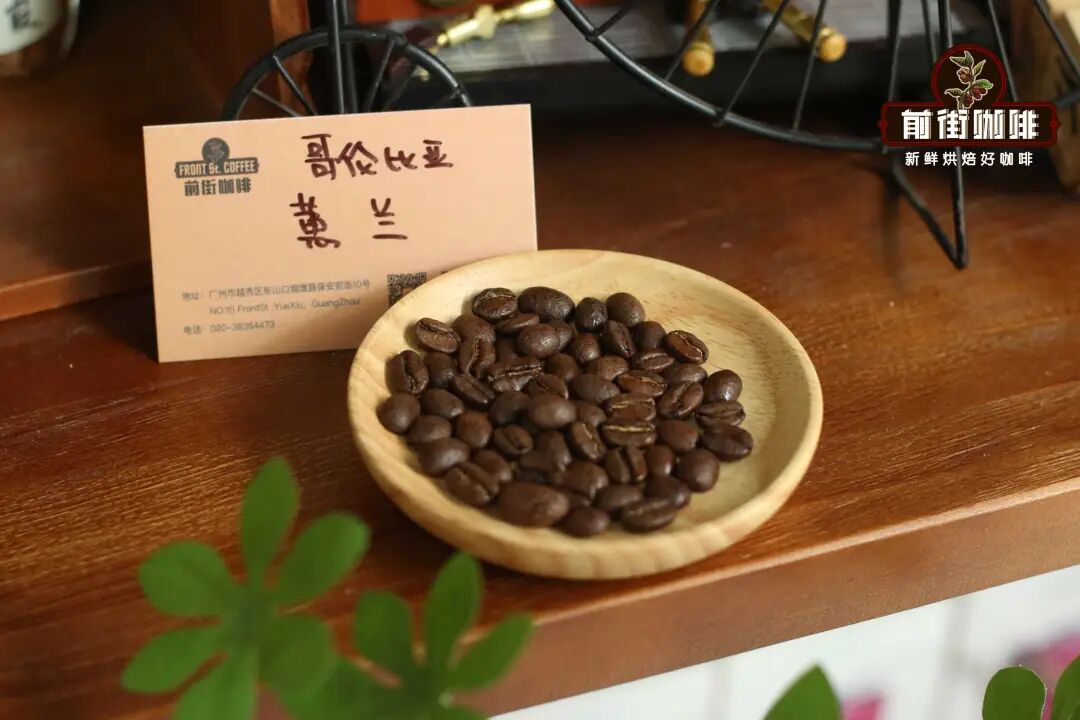
Take, for example, a well-known shop’s offering of ‘Colombia · Washed Huila Coffee Beans’ that we tried—washed-process Caturra variety beans grown at 1500–1800 meters altitude, showcasing the classic flavor profile of the Huila region. Notably, the shop opted for washed processing precisely to highlight the region’s most authentic terroir traits. Upon brewing, these beans exhibit a pronounced sweetness, with a strong chocolate base complemented by layers of caramel and nuts. Even as it cools, subtle fruity acidity lingers. Additionally, as an everyday drinker option, it employs a relatively darker roast to balance stability and flavor for daily consumption.
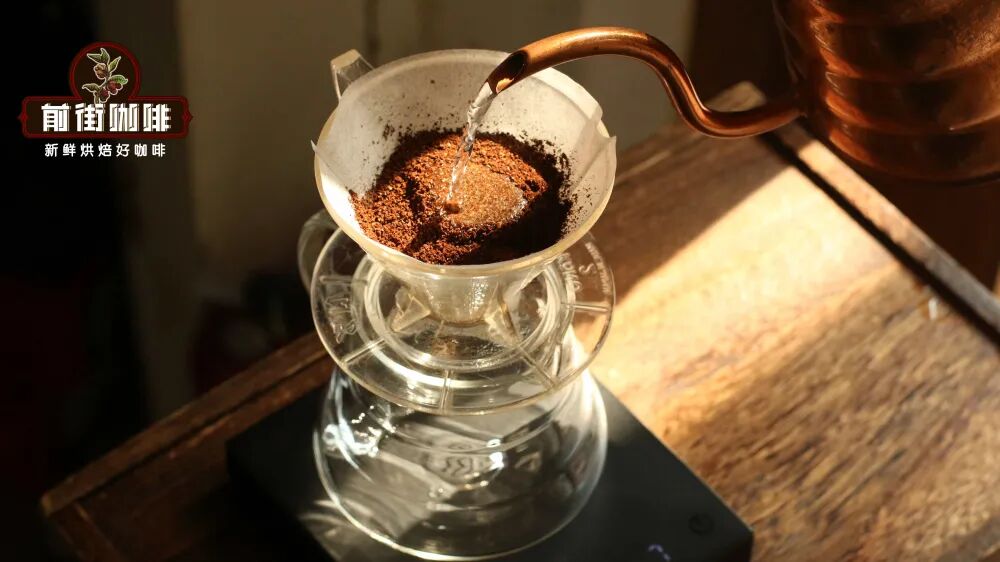
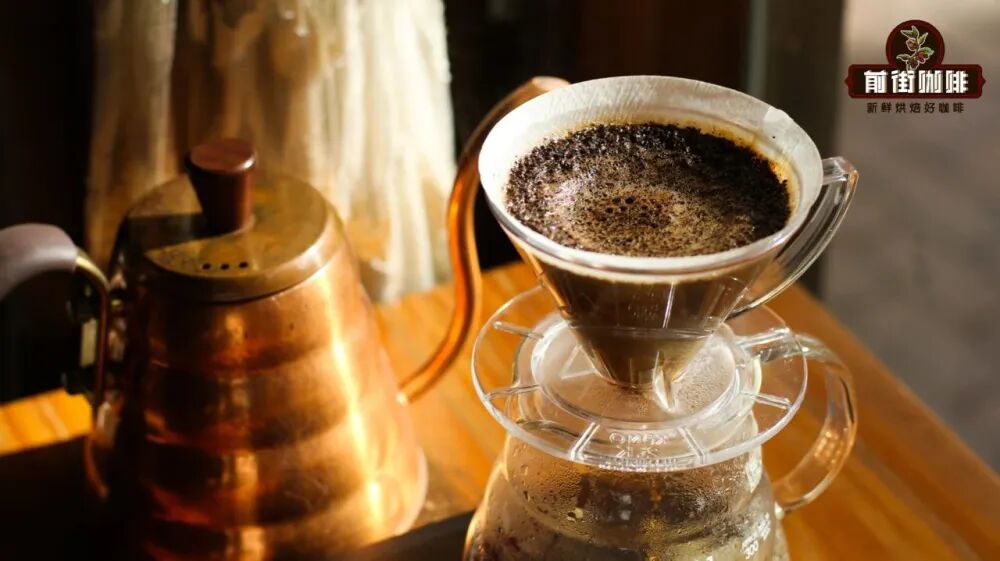
For home brewers hoping to replicate similar flavors, here’s a set of field-tested, stable reference parameters: use a KONO filter, maintain water temperature at 88°C, and use a 1:15 coffee-to-water ratio (15g coffee grounds to 225ml water), with medium-fine grind size passing about 70% through a standard #20 Chinese sieve. Specifically, start with a 30g bloom for 30 seconds, then pour in a slow circular motion up to 125g for the first pour. When the water level drops and is about to expose the coffee bed, pour up to a total of 225g. Finally, remove the filter just before the liquid level reaches the bottom, with total brew time around 2 minutes. Note that these parameters are meant as standardized guidance—feel free to fine-tune based on personal taste preferences. Through repeated experimentation, find the brewing method that suits you best.
The above content is compiled by CoffeeHunters, a coffee news website.

