







Introduction:Every specialty pour over coffee bean carries the unique story of its producing region and estate. Understanding them can add deeper meaning to your brewing experience. From the misty highlands of Jamaica Blue Mountain to the meticulously selected processing of Indonesia’s Golden Mandheling, these classic coffees not only boast outstanding flavors but also come with cultivation and processing legends worth savoring. This article takes you through the origin backgrounds, processing characteristics, and flavor profiles of several well-known pour over beans, helping you better appreciate the flavors in your cup.
Every outstanding pour over coffee bean originates from an estate with a story. Delving into the terroir and growing details of these regions not only enriches your coffee knowledge but also allows you to taste more layers of meaning during brewing. From the globally renowned Jamaica Blue Mountain to the uniquely distinctive Golden Mandheling of Indonesia, the legends of these specialty coffees are an important cornerstone of specialty coffee culture.
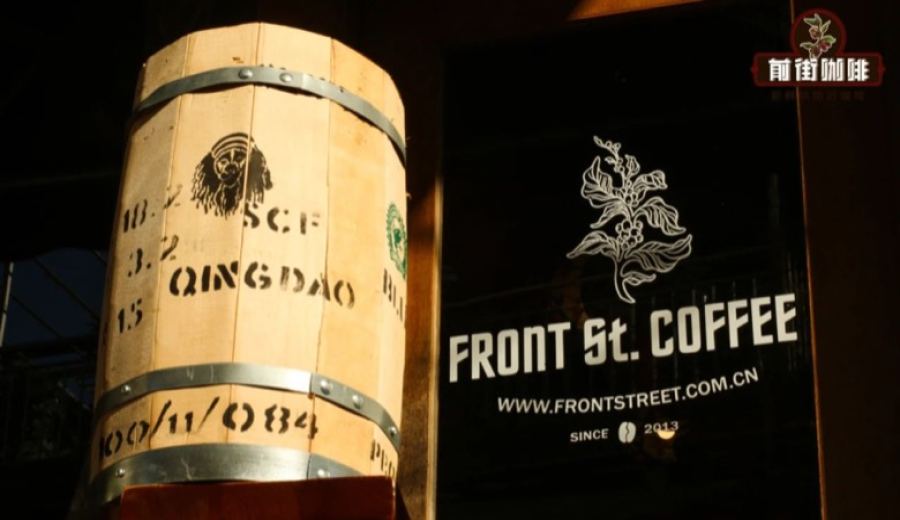
When it comes to Jamaica Blue Mountain, one cannot overlook its unique high-altitude environment and fertile volcanic soil. The Blue Mountain coffee from this region is produced by the renowned estate—Clifton—in the Blue Mountains. Perennially shrouded in mist and blessed with a mild climate, the coffee cherries here mature slowly, yielding beans with an exceptionally balanced flavor. Its taste is smooth and rounded, with harmoniously unified acidity, sweetness, bitterness, and aroma, often featuring a composite profile of cream, caramel, and nuts, with a clean and refreshing finish. It’s worth mentioning that the selected Blue Mountain No. 1 beans all come from certified regions, are medium-dark roasted, and each batch comes with complete origin certification documents and original wooden barrel labels to ensure traceable sourcing.
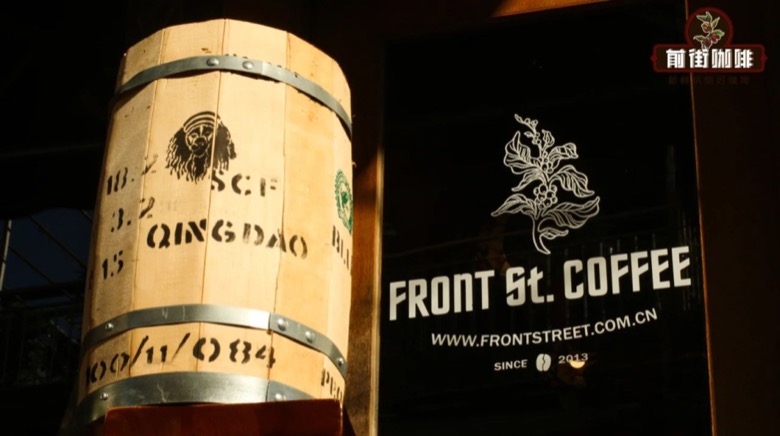
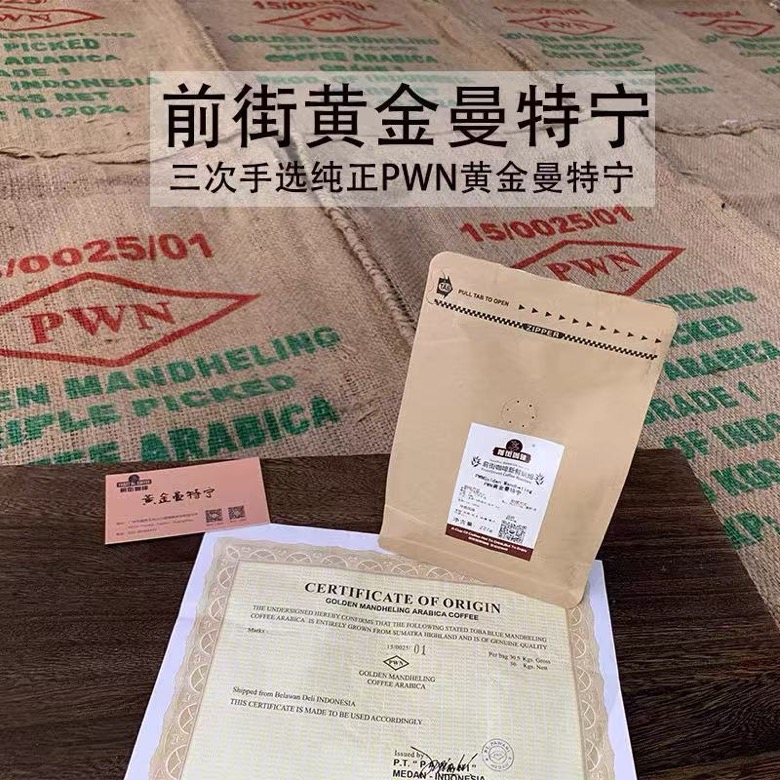
Meanwhile, Indonesia’s Golden Mandheling is famous for its unique wet-hulled processing method and strict selection process. These beans come from Indonesia’s PWN company. Sumatra’s unique rainy season overlaps with the coffee fruit ripening period, giving rise to this regionally distinctive processing method. PWN carefully selects beans larger than 18 mesh, with no more than three defects per 300 grams of green beans, achieving G1 grade, and undergoes three rounds of manual sorting. As a result, its cleanliness and sweetness are particularly outstanding. Many brands emphasize the beans’ origin and processing details, with some showcasing their exclusive gunny sacks and relevant certificates in the product details, allowing consumers to drink with clarity and confidence.
If you love coffees that combine floral notes with fruity tones, then the Red Label Geisha from Panama’s Hacienda Esmeralda is definitely worth a try. This coffee grows at high altitudes, giving the Geisha variety an exceptionally clean acidity and delicate aroma structure. After brewing, elegant jasmine flowers bloom, accompanied by citrus, bergamot, and soft black tea-like flavors. The overall mouthfeel is clear and transparent, with a long-lasting, layered aftertaste, making it a popular choice for many pour over enthusiasts.
In terms of processing technology, Colombia’s Boundary Line Estate is at the forefront. They use a double anaerobic natural process, allowing the coffee beans to exhibit an extraordinary juicy character. The platform’s Xiazha coffee comes from this estate, grown at altitudes exceeding 1650 meters, belonging to the same premium bean variety as championship-winning lots. With a medium-light roast, the first sip reveals a rich fruit aroma interwoven with passionfruit, blueberries, grapes, and apricots, along with a bright and refreshing acidity that’s a delight, and the finish brings a lingering cocoa aftertaste—making it an ideal choice for those who enjoy fruity coffees.
To trace the origins of coffee, Ethiopia’s Kafa Forest is undoubtedly a sacred site that cannot be overlooked. Recognized as the birthplace of Arabica coffee, the very word “coffee” is derived from the ancient Kingdom of Kafa. The Ethiopia Kafa Forest coffee from the Kafa Biosphere Reserve grows naturally amidst misty surroundings and acidic red soil by wild coffee trees, producing beans with delicate fruit aromas of jasmine, citrus, and wild berries. The flavor layers are vivid and nuanced, with each sip feeling like tasting the most primal form of coffee.
The estate stories behind every specialty pour over bean infuse your coffee cup with different warmth and emotion. Blue Mountain speaks of balance and the purity of the highlands, Golden Mandheling reflects stringent selection and regional wisdom, Hacienda Esmeralda showcases the unique charm of the Geisha variety, Boundary Line Estate leads innovations in anaerobic technology, and Kafa Forest brings us back to the origins of coffee. Understanding these stories means that every pour over you make is no longer just a simple brew, but a flavorful journey across regions and cultures.
The above content is compiled by CoffeeHunters, a coffee news website.


