







Introduction:Many coffee lovers have wondered whether it’s possible to enjoy coffee as simply as making tea. While coffee pods may seem convenient, their extraction method and flavor profile differ significantly from those of drip bags. This article delves into the differences between drip bags and coffee pods, explores their suitability for various brewing methods, and through both hot brew and cold brew practical tests, helps you find the coffee experience that suits you best.
As summer heat arrives, more and more consumers are seeking quick and energizing coffee solutions. However, some find the step-by-step pouring and water control required when using drip bags a bit cumbersome, leading them to wonder: can coffee be brewed just like a tea bag—by simply steeping the packet in water? The answer lies with coffee pods, but can they truly replace drip bags? Let’s take a closer look.
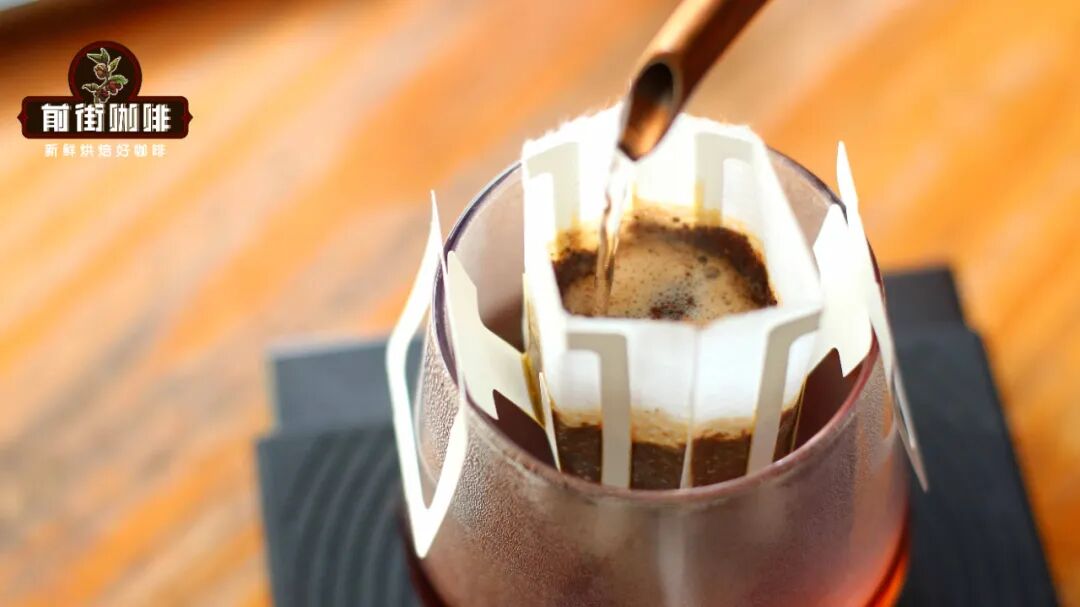
First, let’s clarify the difference between the two. Drip bags are made by placing pre-ground coffee into a non-woven fabric filter bag, with paper handles on both sides resembling ears, allowing the user to hang the bag on the rim of a cup to simulate the dripping process of pour over coffee. Simply pour the right amount of hot water and wait for it to drip through to enjoy a pure black coffee. This method is a form of drip extraction, and the flavor of the coffee is greatly influenced by grind size, coffee-to-water ratio, water temperature, and flow rate.
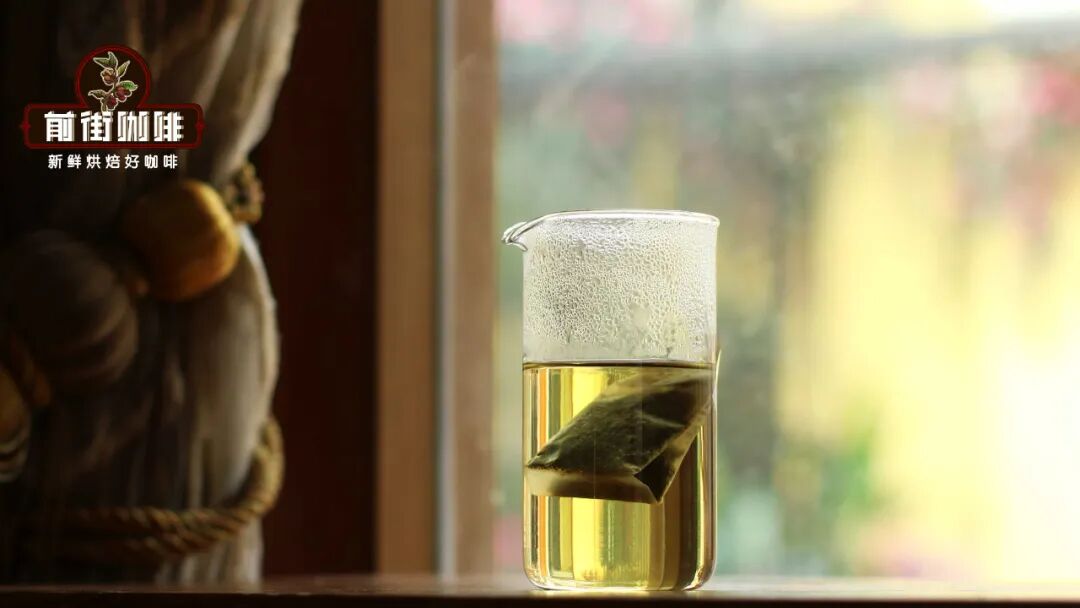
In contrast, coffee pods are closer to the traditional concept of tea bags, using small pouches similar to tea bags to steep the coffee grounds in hot water, relying on natural diffusion through the solvent for extraction. It is understood that the prototype of this extraction method can be traced back to 18th-century France, where people boiled coffee grounds in cloth bags and then removed the bags. Modern coffee pods are an extension and simplification of this concept.
To specifically compare the differences between the two, this test was conducted using both hot brew and cold brew methods, selecting the same coffee beans—Caturra variety from Duncan Estate in Panama, which features distinct floral and fruity notes and a honey-like sweetness, making it suitable for showcasing the nuanced differences of various brewing methods.
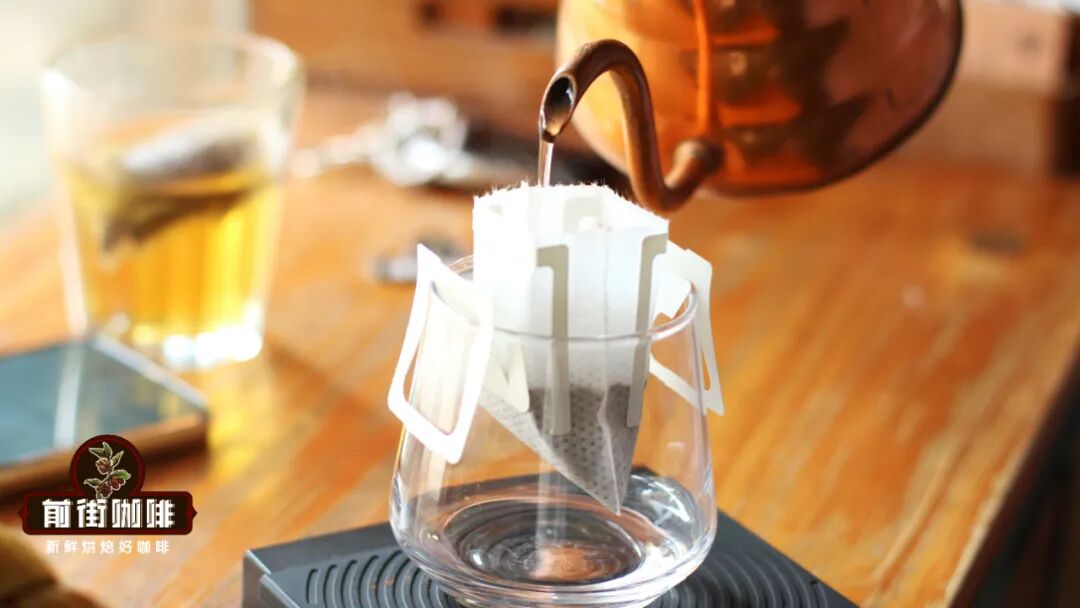
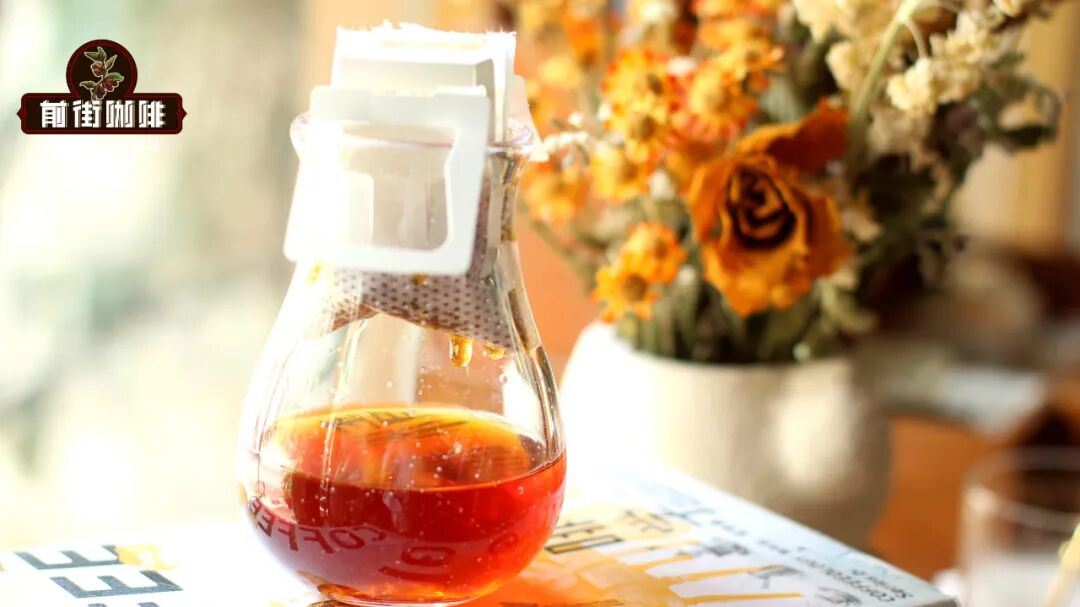
In the hot brew practical test of drip bags, the parameters used were: 10 grams of coffee grounds, a coffee-to-water ratio of 1:15, water temperature at 93°C, and water poured in three stages with a small stream totaling 150 grams. The first stage involved blooming the coffee grounds with about 20 grams of hot water, followed by pouring 65 grams, waiting until the bag was about 80% full, and then pouring the final 65 grams to complete the extraction. This process required attention to maintaining stable water temperature and a consistent pouring rhythm to achieve optimal flavor.
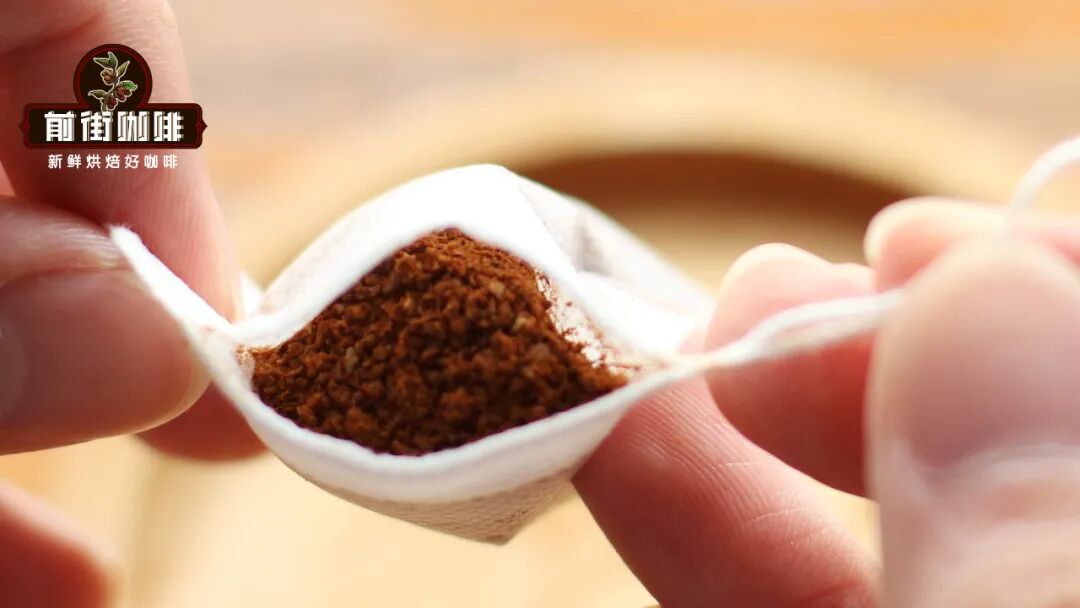
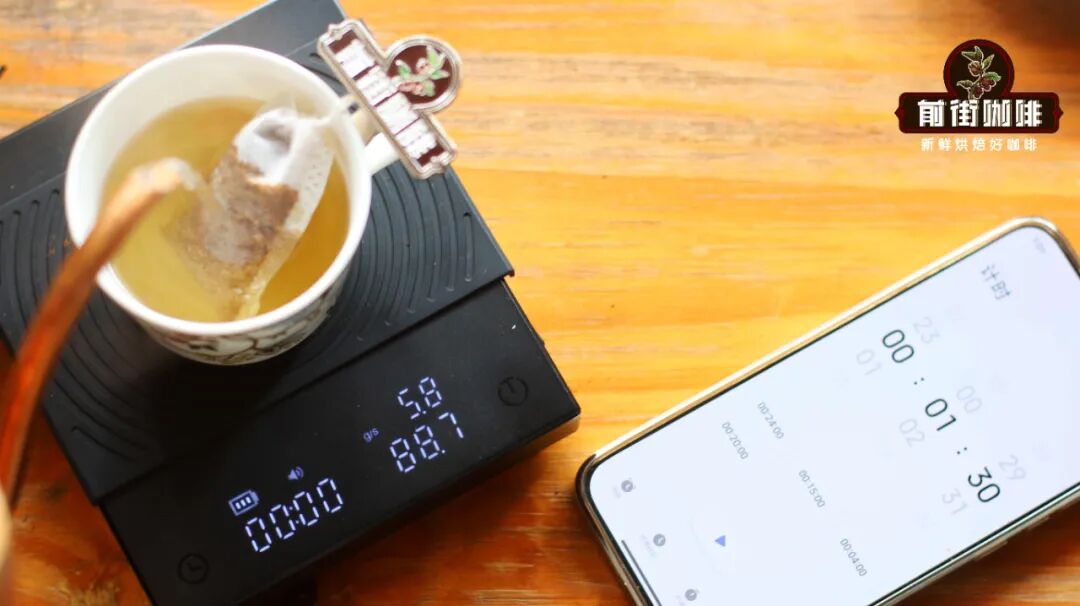
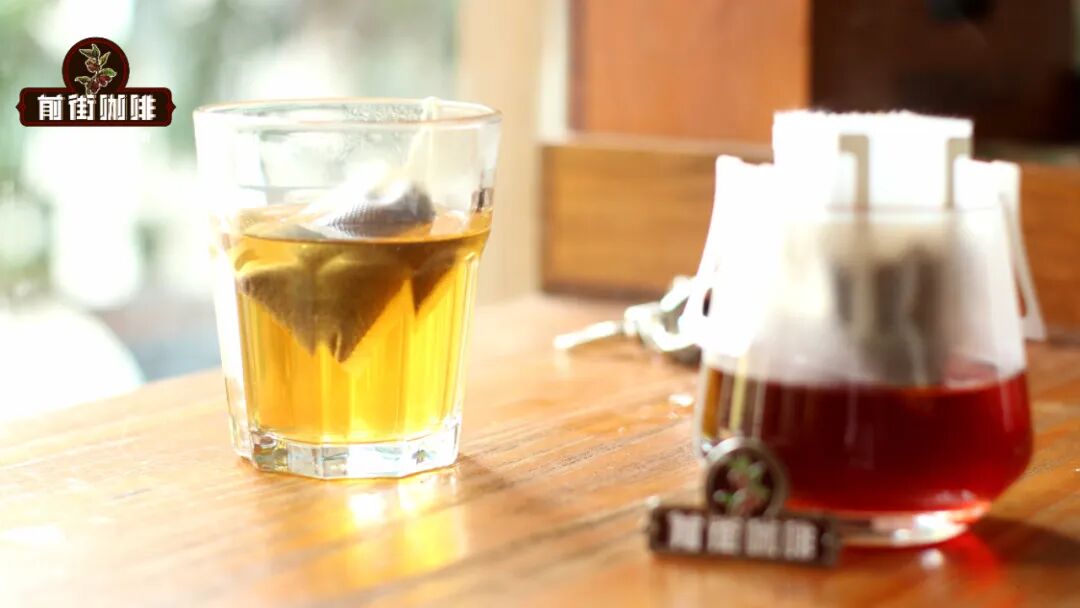
As for the hot brew method with coffee pods, the coffee bag was placed directly into the cup, and 150 grams of 93°C hot water was poured in all at once. Due to the filtration characteristics of the non-woven fabric material, the extraction speed is slower, requiring a longer time to reach the ideal concentration. However, in the actual test, even after waiting over 20 minutes, the coffee temperature had dropped noticeably, and the flavor intensity still did not meet expectations, ultimately forcing the trial to be aborted.
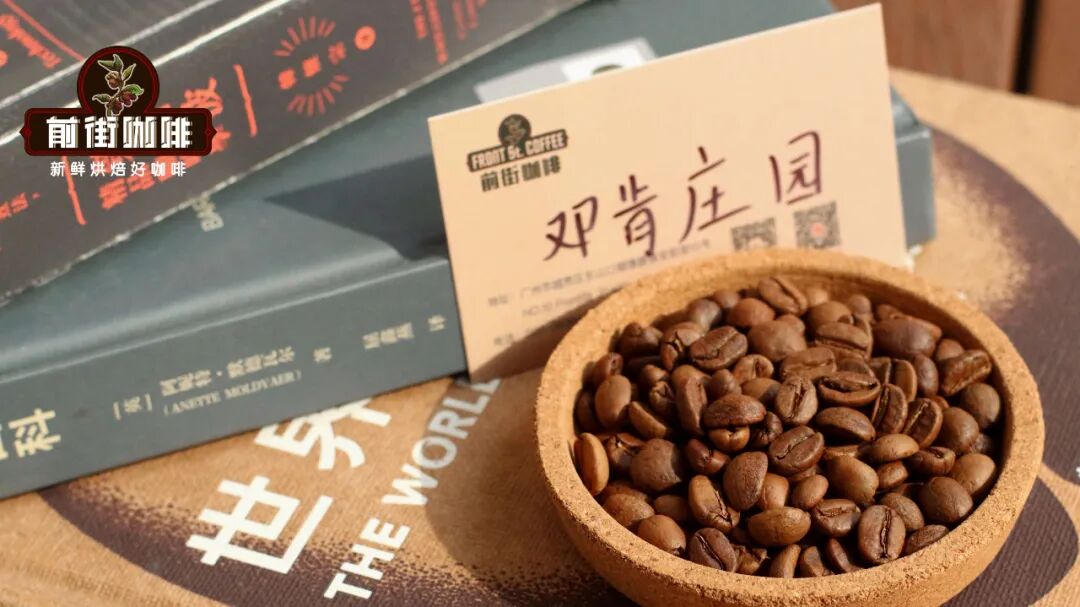
The tasting results showed that the drip bag version presented a fresh aroma of tropical fruits, with layers of acidity and sweetness reminiscent of strawberry, dried mango, pineapple, and a lingering hint of grape in the aftertaste. In contrast, the coffee pod version had an extremely light flavor, with only faint notes of preserved fruit and flowers, lacking depth and complexity overall.
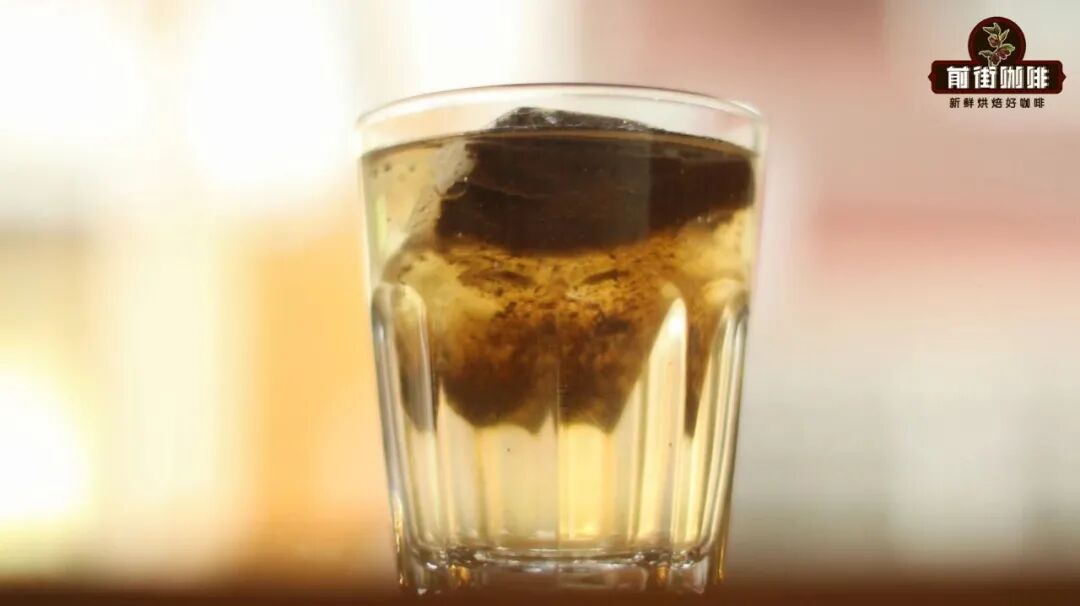
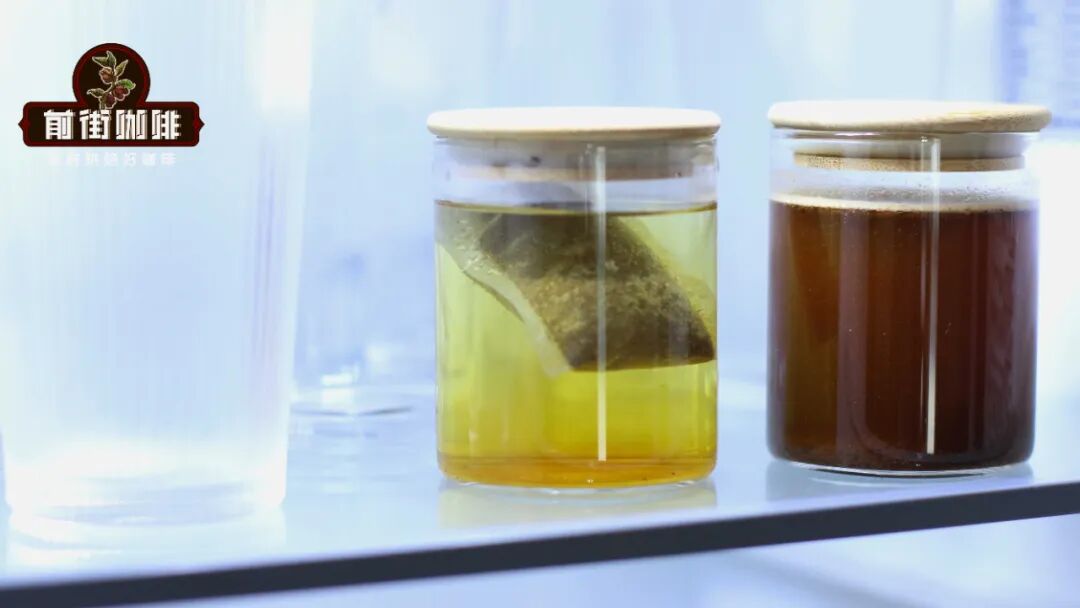
In the cold brew test, both methods used 20 grams of coffee grounds, a coffee-to-water ratio of 1:11, and 220 grams of room temperature water steeped for 8 hours. For the drip bag cold brew, the coffee grounds were placed into a sealable container, water was added and stirred evenly, and the mixture was shaken occasionally during refrigeration to promote extraction, before filtering the coffee liquid at the end. The coffee pod version was simpler—just place two coffee bags into the container, pour in the water, refrigerate, and after the set time, simply remove the bags without any additional filtering.
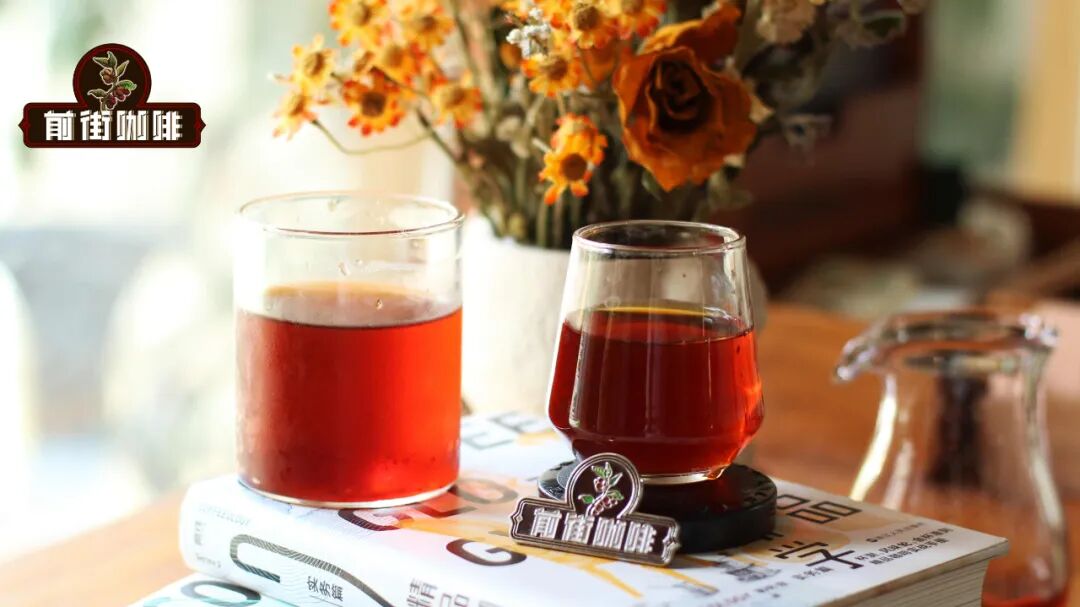
In terms of flavor comparison, the drip bag cold brew turned out clean and refreshing, with notes of raisin and citrus, and an overall crisp mouthfeel. The coffee pod cold brew, due to the coffee grounds being enclosed in the non-woven fabric, concentrated the release of flavor compounds, resulting in a more intense composite flavor of blueberry, black tea, and subtle orange, with a smoother and fuller mouthfeel.
In summary, if you prefer hot drinks, drip bags are undoubtedly the better choice—not only are they more efficient in extraction, but they also offer a richer layer of flavors. If you want to enjoy cold brew, the coffee pod format can unexpectedly deliver a more intense taste, especially suitable for lazy moments or quick preparation on the go. No matter which method you choose, mastering the correct coffee-to-water ratio and steeping time is key to enhancing your coffee’s flavor.
The above content is compiled by CoffeeHunters, a coffee news website.


