







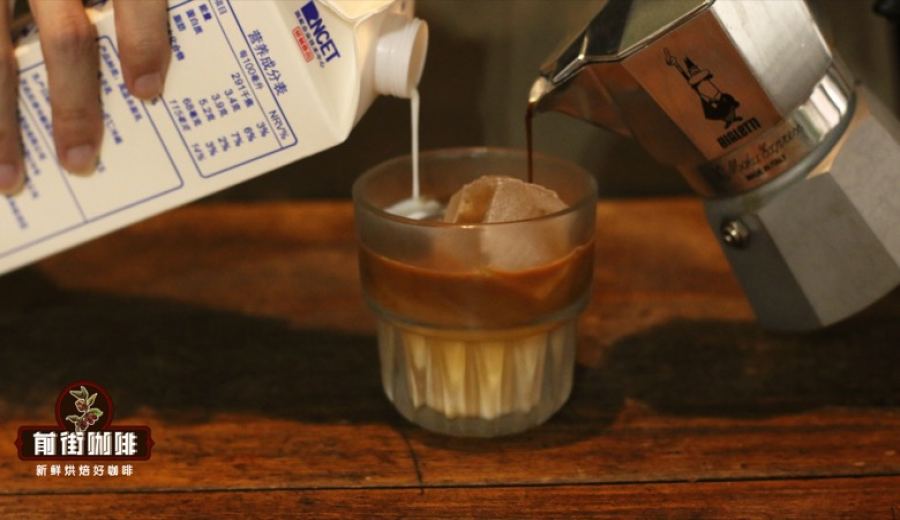
Introduction:Want to explore the potential of single-origin beans with a moka pot? Compared to common blends, estate-grade single-origin beans can showcase unique regional flavors through a moka pot—especially under medium-to-light roasts and appropriate parameters—where fruity notes, sweetness, and layered body all emerge clearly. This article will guide you on which estate beans suit the moka pot, how to adjust grind size and heat, and recommend several standout beans to help you uncover more possibilities with your moka pot.
Many coffee enthusiasts, after mastering basic brewing methods, start challenging themselves by using a moka pot to extract single-origin beans. Although the moka pot is often paired with blends—known for their stability and approachable flavor—switching to estate-grade single-origin beans allows this classic tool to reveal a different side, letting you experience distinct regional characteristics and adding new enjoyment to your daily brews.
The moka pot operates at relatively low extraction pressure and moderate temperature, a characteristic that actually helps preserve the delicate flavors in single-origin beans, especially those with prominent fruity notes and medium-to-light roasts. For example, a well-known roaster’s Colombian Geisha from Boundary Line Estate, processed with double anaerobic sun-drying, when brewed with a moka pot, still delivers clear, juicy notes of passionfruit, blueberry, and grape, with a well-balanced acidity and sweetness, and a soft cocoa aftertaste. Whether brewed directly as a moka pot Americano or mixed with milk for a milk drink, this bean offers balanced performance and is a solid choice for those starting with estate beans.
If you prefer a richer fruity experience, try the Panama Finca Esmeralda Red Label Geisha. The Geisha bean is known for its elegant jasmine floral notes and refined citrus and bergamot tones, and the moka pot’s gentle heating method fully highlights these aromatic qualities, resulting in a clean, bright cup with a long-lasting finish. Though pricier, occasionally enjoying a refined cup like this is an excellent way to elevate your coffee ritual.
Fans of bold, rich flavors need not worry—the moka pot also excels at showcasing the traits of such estate beans. For instance, a well-known roaster’s PWN Indonesian Golden Mandheling, from the Sumatra region, exhibits pronounced herbal and dark chocolate notes after dark roasting, and when brewed with a moka pot, delivers a rich, long-lasting cup. Add milk, and it transforms into a luscious milk coffee, perfect for those who love strong flavors. Another option is a well-known roaster’s Papua New Guinea Bird of Paradise, dubbed “Little Blue Mountain” due to its flavor profile reminiscent of Blue Mountain. It uses the Typica variety and undergoes triple water fermentation, resulting in a smooth, silky cup with outstanding sweetness and exceptional value—a must-try when exploring estate beans.
When using a moka pot to brew single-origin beans, there are two key techniques to keep in mind. First, aim for a grind size slightly finer than that used for blends, but not too fine—this ensures full release of flavor compounds without over-extraction. Second, heat control is crucial: use low-to-medium heat and heat slowly to avoid high temperatures damaging the fruitiness and sweetness. Since single-origin beans have distinct personalities, optimal parameters may vary slightly between beans—experiment multiple times to find the best extraction conditions for each bean.
In summary, the combination of a moka pot and estate-grade single-origin beans offers a flavor experience distinct from pour over—richer, fuller, yet the regional flavor framework remains distinctly recognizable. Start with a Colombian Geisha or Indonesian Golden Mandheling, and gradually explore the single-origin potential of your moka pot, embarking on your own coffee adventure.
The above content is compiled by CoffeeHunters, a coffee news website.

