







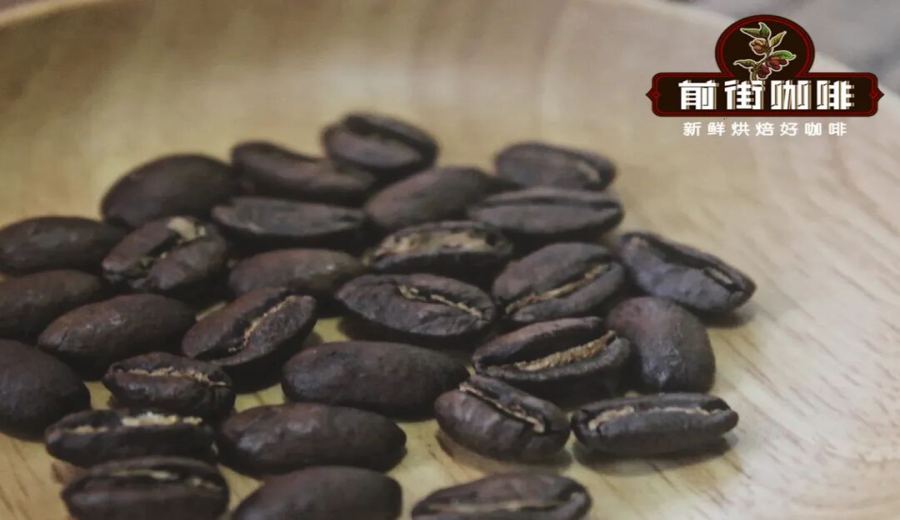
Introduction:Honduras is an important coffee-producing country in Central America. Although its development was once hindered by transportation limitations, it has now become the world’s second-largest producer of Arabica coffee. This article takes an in-depth look at Honduras’ six premium coffee-growing regions, analyzing their altitude, climate, varieties, and flavor differences, while also providing professional roasting and pour over parameters to help you better understand this promising coffee origin.
In the past, Honduran coffee did not receive the same attention as that of neighboring countries like Guatemala or El Salvador. While coffee from surrounding nations had already established a firm foothold in the international market, Honduran coffee farmers were still struggling to make ends meet.
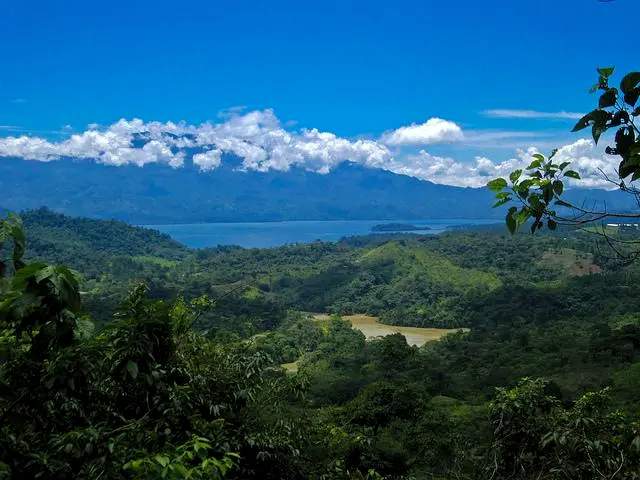
Honduras is located in the northern part of Central America and boasts a uniquely favorable geographical environment: it borders the Caribbean Sea to the north, the Gulf of Fonseca of the Pacific Ocean to the south, and shares land borders with Nicaragua, El Salvador, and Guatemala. The country is mostly mountainous and plateaued, with a tropical climate featuring moderate temperatures and abundant rainfall—ideal conditions for coffee cultivation. While many believe each country’s coffee should have distinct “regional flavors,” in reality, national borders do not entirely determine flavor profiles. When tasting coffees from various countries, one finds that Central American beans generally exhibit floral-fruity notes and soft juice-like tones, yet subtle differences can still be discerned in aroma and aftertaste.
Honduran coffee often carries exotic spice notes in its aroma, with a nutty and chocolatey richness in the mid-to-late stages, delivering an overall balanced and layered profile. Though similar in flavor to its neighbors, it still has its own unique charm.
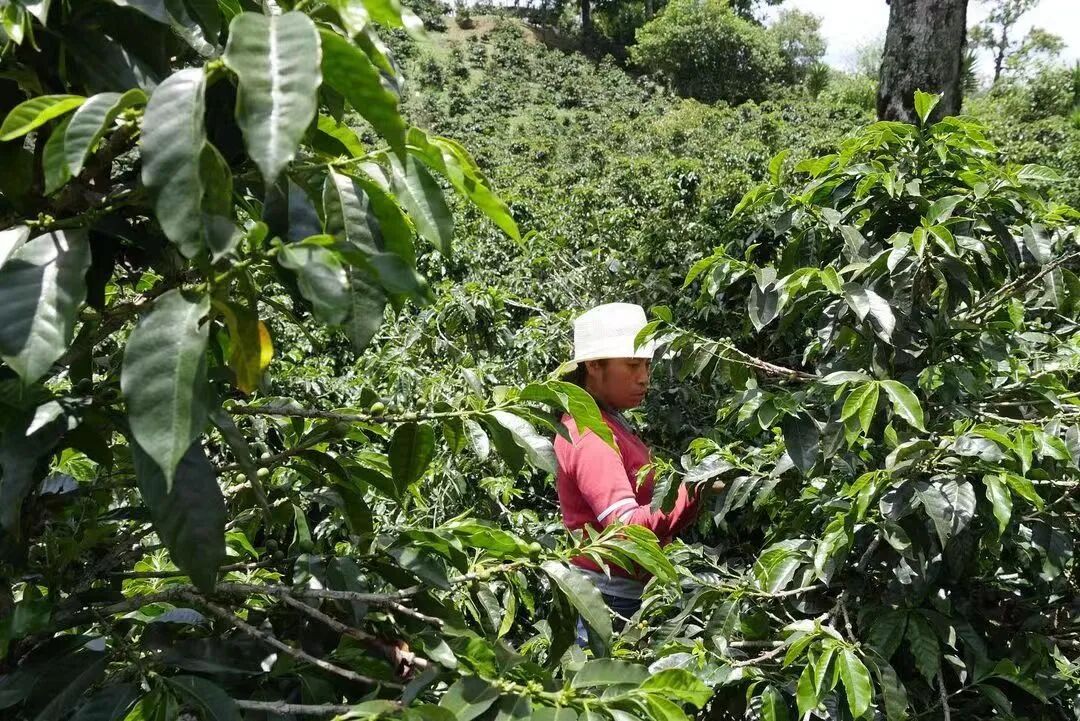
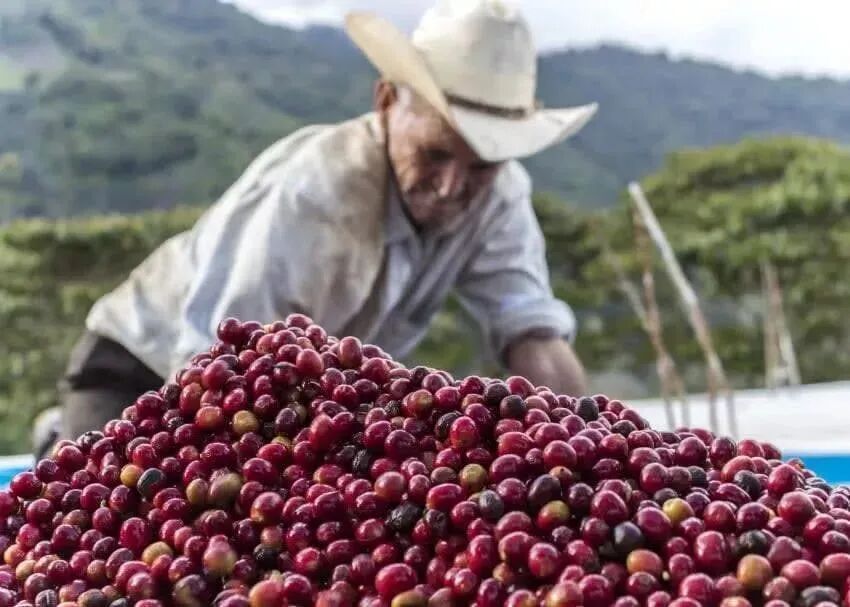
Honduras is not only the largest coffee producer in Central America but also ranks as the world’s second-largest producer of washed Arabica beans when considered alone. In the early 21st century, coffee officially surpassed bananas to become the country’s most important cash crop. It is worth noting that most of Honduras’ coffee is hand-harvested by 110,000 smallholder farmers, with the main harvest season running from November to March each year. The majority of the coffee produced is exported to the United States and Germany.
Honduran coffee can be divided into two main categories: “highland coffee” grown at altitudes of 1,000–1,500 meters, and “premium highland coffee” grown between 1,500–2,000 meters, the latter being the country’s highest grade. The export market is primarily focused on the United States and Germany, and the quality of Honduran coffee has gradually gained international recognition.
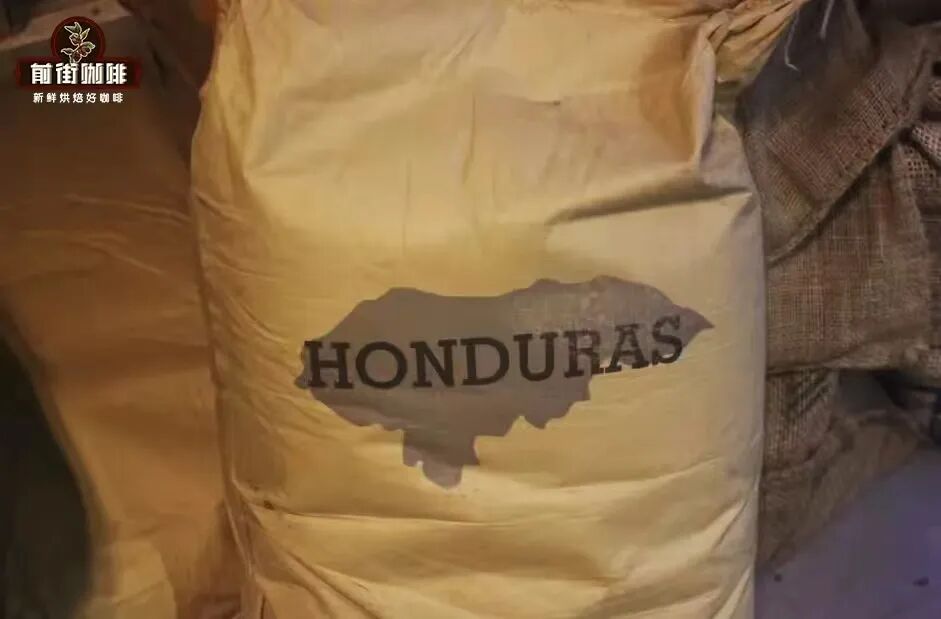
The development of Honduras’ coffee industry has not been without challenges. As early as the late 18th century, Spanish merchants introduced coffee to the country, but large-scale cultivation only began in 1804. Due to poor transportation infrastructure and difficulties connecting growing regions with ports, progress was slow. It wasn’t until the 1970s, when the government established the official Instituto Hondureño del Café (IHCAFE) to improve quality and technology, that the industry began to turn around. Coupled with the country’s terrain being well-suited for coffee cultivation, Honduras’ production surpassed that of Costa Rica and Guatemala in 2011.
In 1975, Brazil suffered a severe frost that drastically reduced coffee supply. Honduras seized the opportunity, with coffee exports surging from 500,000 bags to 1.8 million bags, which were quickly absorbed by the market. From then on, the country’s coffee industry entered a period of rapid growth. However, by the 1990s, while other Central American countries were excelling with specialty coffee quality, Honduras struggled due to the mountainous region’s unpredictable weather and unstable rainfall, which affected the coffee drying process and slowed quality improvement. It wasn’t until 2004, when the first Cup of Excellence competition was held—where 21 coffee lots were recognized and auctioned online—that the path to specialty coffee began. In 2011, Honduras became the largest Arabica coffee producer in Central America and the second-largest in the world.
Currently, Honduras has over 280,000 hectares of coffee plantations, most of which are small farms under 3.5 hectares in size, accounting for more than 60% of the country’s total production—a typical smallholder farming model.
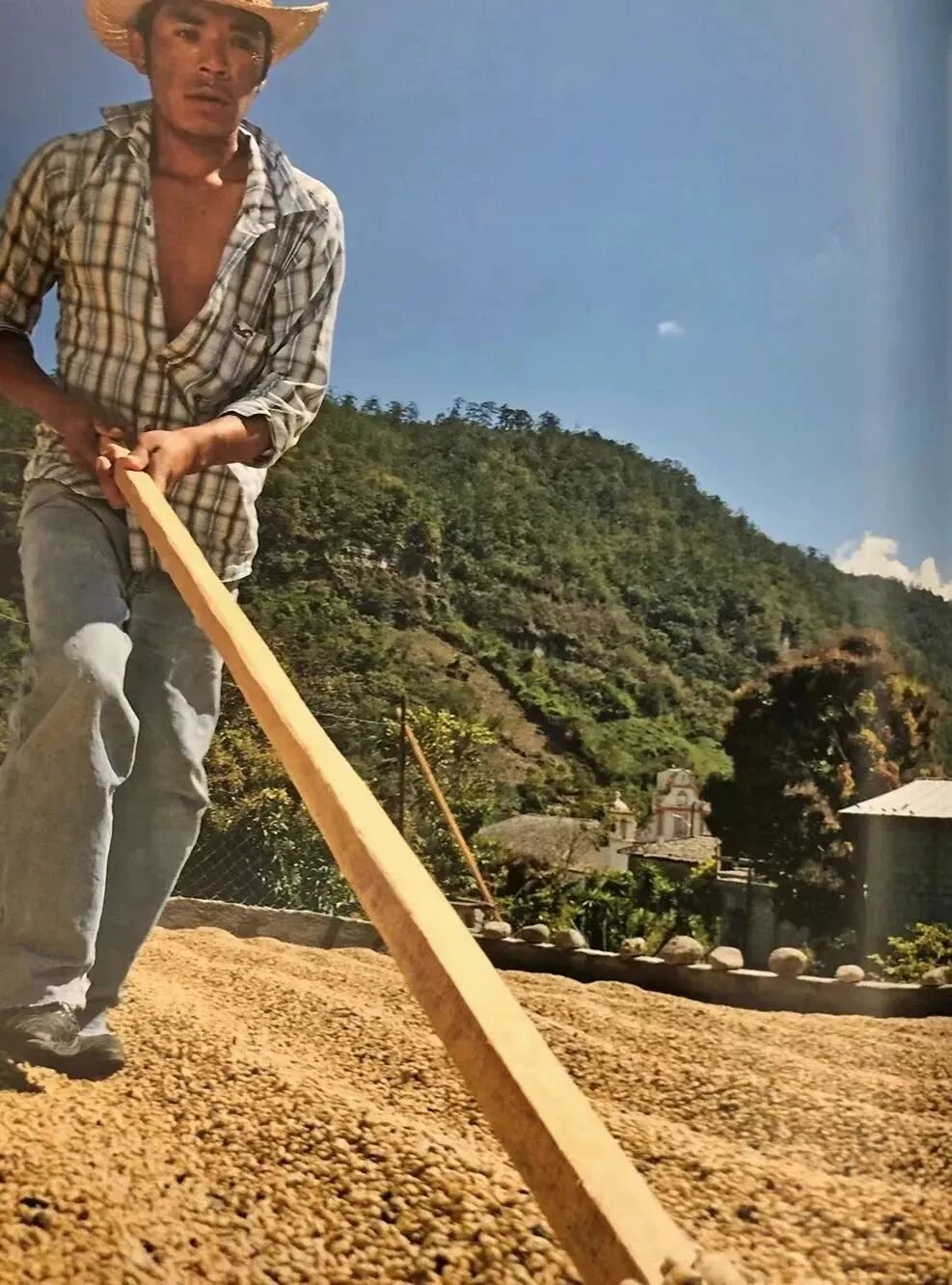
The average planting altitude for coffee in Honduras is above 1,100 meters. The main varieties include Caturra, Catuaí, Pacas, and Typica, with washed processing being the predominant method. These conditions contribute to the diversity of Honduran coffee flavors, with high-quality lots often showcasing complex fruit aromas, bright acidity reminiscent of juice, balanced body and sweetness, along with layers of fruit, nuts, and even caramel.
In terms of grading, the system is mainly divided into three categories:Strictly High Grown (SHG)grown at altitudes above 1,200 meters,High Grown (HG)grown at altitudes above 1,000 meters,Central Standard (CS)grown at altitudes above 600 meters.
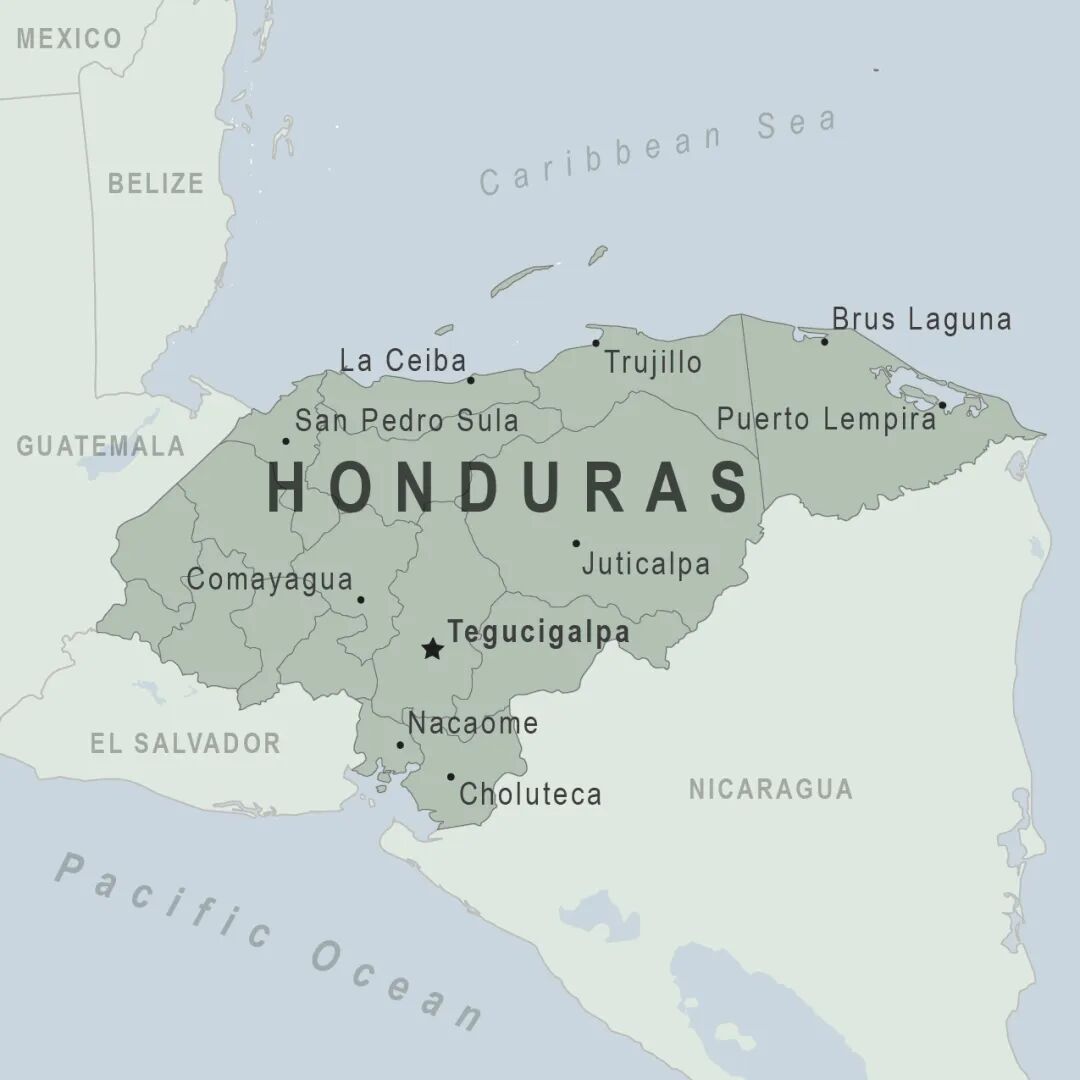
Honduras’ coffee-growing regions can be divided into six major areas, located in the western and southern parts of the country. These include the Copan region, Opalaca region, Montecillos region, Comayagua region, Agalta Tropical region, and El Paraiso region. The average planting altitude in these regions is all above 1,100 meters, with 69% classified as HG, 12% as SHG, and 19% as CS.
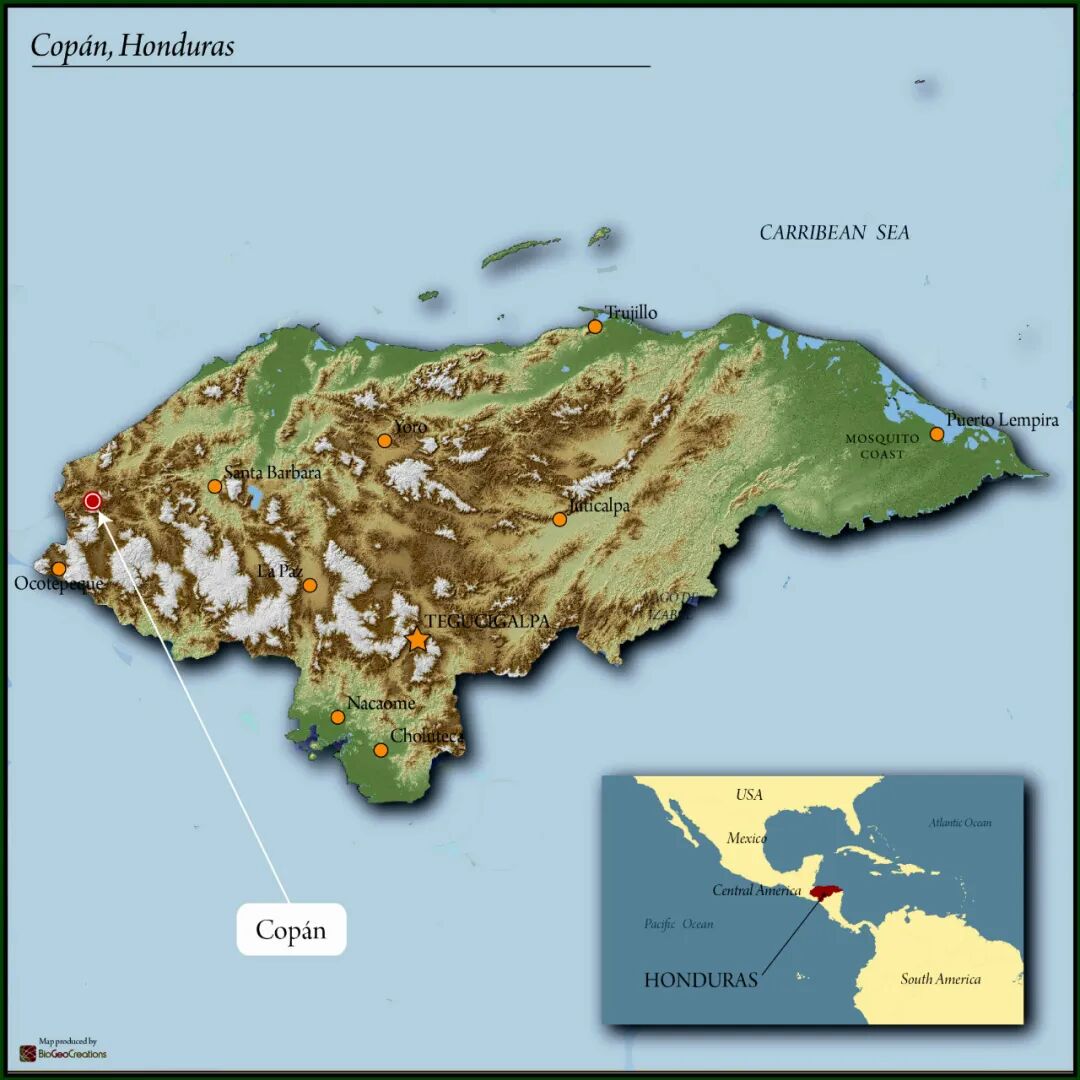
1. Copan Region
Located in western Honduras, bordering Guatemala, it encompasses areas such as Copán Department and Ocotepeque Department, with altitudes ranging from 1,000 to 1,500 meters, an average annual temperature of 11.5–22.5°C, and annual rainfall of 1,300–2,300 mm. The harvest season runs from November to March. Cupping profiles from this region often feature a rich chocolatey tone, blended with honey and caramel sweetness, while fruitiness remains relatively subtle.

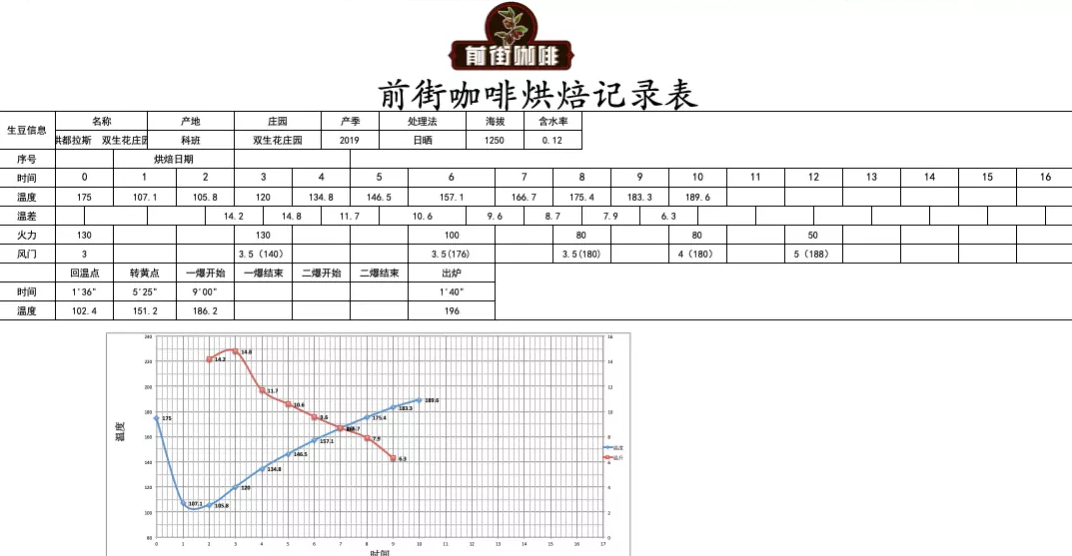
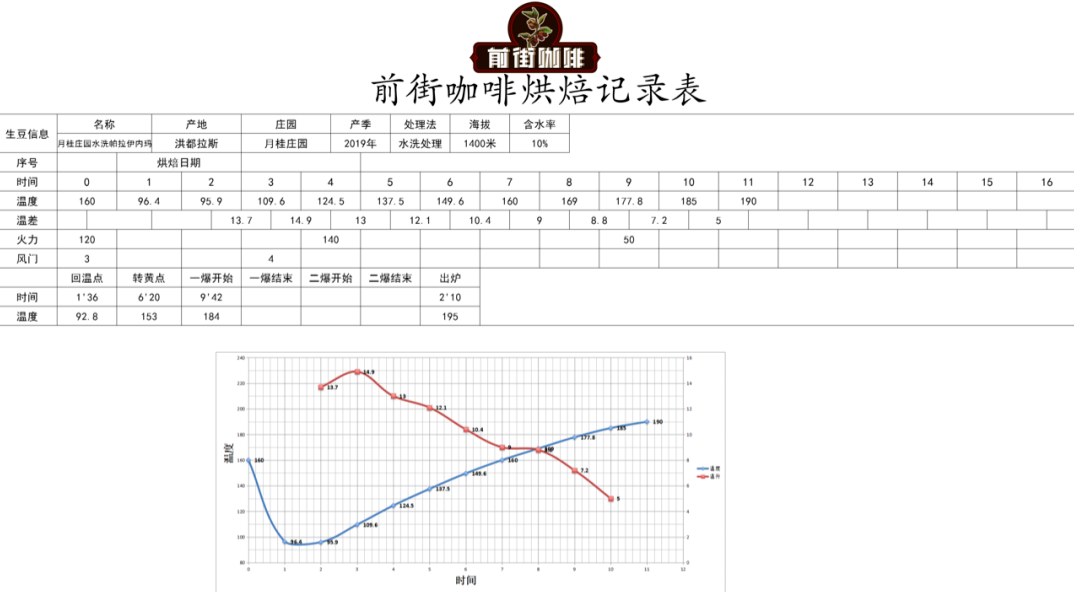
Take the twin-flower estate (Las Gemelas) in the Copan region as an example: it grows Red Caturra, processes via natural method, at 1,250 meters altitude. Based on its elevation and processing style, the roaster opted for a low-temperature charge and medium heat for a slow roast to preserve the sweet fermentation and full body characteristic of natural processing. The final brew presents brown sugar, berries, grapes, and fermented wine notes, ideal for those who enjoy intense sweetness.
2. Opalaca Region
Situated among Santa Bárbara, Intibucá, and Lempira provinces, at altitudes of 1,100–1,500 meters, with a mild climate and abundant rainfall. The harvest season is from November to February. Main varieties include Bourbon, Typica, Caturra, and Baru. Cupping reveals delicate acidity and balanced flavor, with notes of tropical fruits like grapes and mulberries, a sweet-sour finish, a pronounced lemon tone, complemented by honey and caramel sweetness.
3. Montecillos
Nestled between La Paz, Comayagua, Santa Bárbara, and Intibucá, at elevations of 1,200–1,600 meters, the harvest season spans November to April. Main cultivars are Bourbon, Caturra, and Typica. Flavor highlights include intense fruity aromas and a sweet profile, especially standout peach and orange acidity, paired with lemon and floral notes. The mouthfeel is silky smooth, with a long-lasting finish.
4. Comayagua
Located within Comayagua and Francisco Morazán regions, at altitudes of 1,000–1,500 meters, featuring a warm climate and moderate rainfall. The harvest season is from December to March. Key varieties include Bourbon, Caturra, Typica, and Pacas. Cup profiles emphasize a lemony tone, accompanied by pronounced sweet fruit aromas and creamy body, along with citrus sweetness and hints of chocolate.
5. Agalta Tropical
Spanning Olancho, El Paraíso, and Francisco Morazán provinces, this is the most dispersed growing region in the country, composed of fourteen protected areas, at elevations of 1,000–1,400 meters, with a harvest season from December to March. Principal varieties are Bourbon, Catuai, and Typica. Cupping shows honey and citrus aromas, distinct and pleasant acidity, and a layered finish.
6. El Paraiso
Located in southern Honduras, bordering Nicaragua, at altitudes of 1,100–1,500 meters, with a harvest season from December to March. The main variety is Parainema, processed via washed method, graded as SHG. Flavors are dominated by gentle fruit acidity and caramel notes, with a balanced profile and a finish of nuts and dark cocoa.
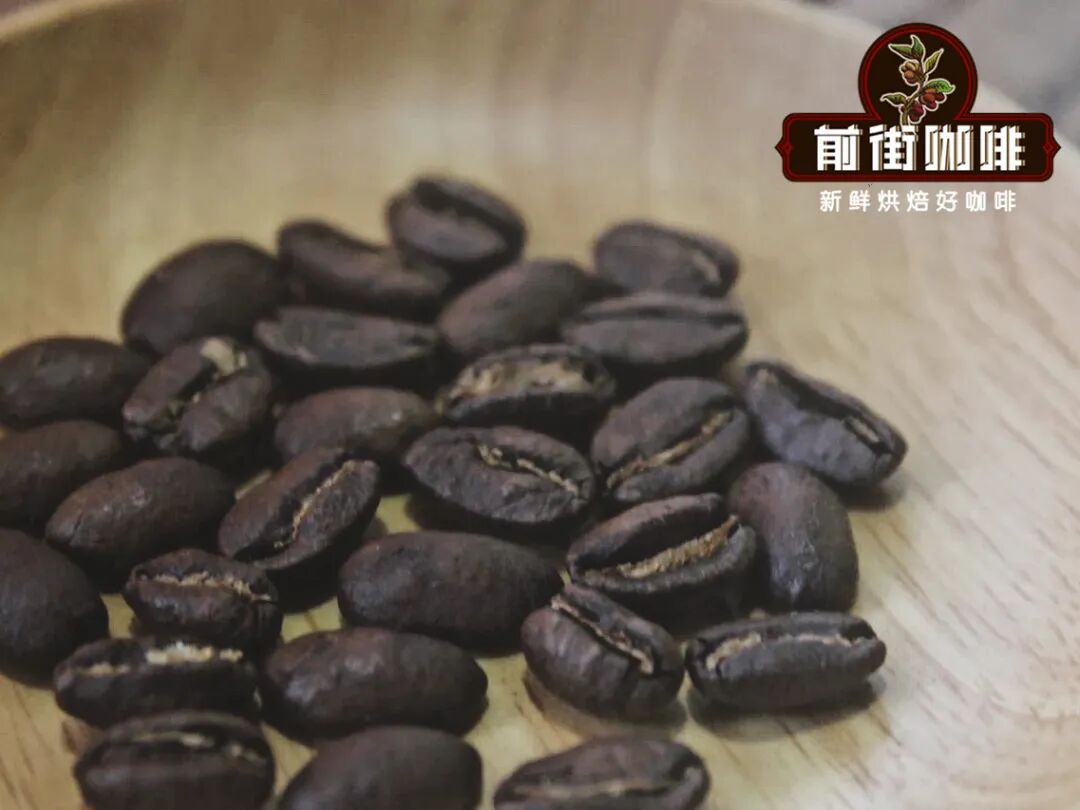
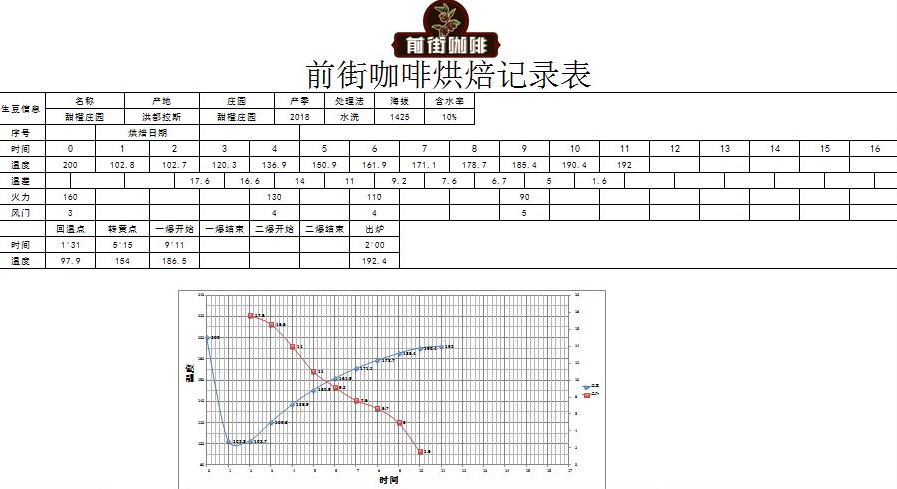
Additionally, in the Marcala area of La Paz Province in southwestern Honduras, there is a sweet orange estate growing Caturra at SHB grade with washed processing. Its flavor features spicy and roasted peanut dry notes, soft acidity, prominent berry tones, and a later-stage tea-like sensation akin to genmaicha. It’s a distinctive coffee worthy of careful savoring.

The world of Honduran coffee is rich and diverse. Whether you’re a novice or an experienced coffee enthusiast, you’re sure to find flavors and stories that resonate with you.


The above content is compiled by CoffeeHunters, a coffee news website.

