







Introduction:Choosing the right Arabica SOE (Single Origin Espresso) bean is key to influencing the flavor performance of your espresso. This article provides an in-depth comparison of the characteristics of SOE beans from Ethiopia and Central & South America—from flavor profiles, processing methods, roast levels, crema performance, to optimal extraction parameters and suitable brewing methods—to help you select the most suitable SOE based on your personal taste preferences and master precise extraction settings.
When making espresso, using a single-origin SOE (Single Origin Espresso) bean from a specific region can make the flavors more concentrated and distinctive. Among these, Ethiopian and Central & South American SOEs each have their own unique traits: the former emphasizes bold floral and fruity notes, while the latter showcases mellow nutty and chocolatey tones. The flavor directions of the two are distinctly different, catering to coffee lovers with varying tasting preferences.
The greatest charm of Ethiopian SOE lies in its vivid and layered floral and fruity aromas. Take the Hambela Daye Bensa Natural as an example: when brewed as an SOE, the tropical fruit aromas such as strawberry, passion fruit, and jackfruit are fully released in the espresso. Upon tasting, it offers a juicy mouthfeel with almost no noticeable bitterness, and the acidity is bright and lively. Another common Ethiopian SOE, the Yirgacheffe washed variety, presents a clean citrus note paired with elegant floral aromas, with soft acidity reminiscent of the natural sweet-sourness found in fruits. Overall, Ethiopian SOEs share common traits of prominent fruitiness, brisk acidity, and a clean, transparent mouthfeel. The resulting espresso is akin to a concentrated fruit juice, highly distinctive. These SOEs are ideal for drinking straight as espresso or diluted with water as Americano. When used in milk coffee, the fruitiness blends with milk to create a fruit milkshake-like flavor, which is very popular among those who enjoy fruity profiles.
In contrast, Central & South American SOEs exhibit a distinctly different mellow tonality. For instance, the Brazilian Fazenda Rainha SOE, when roasted to an appropriate degree, emits rich nutty and cocoa aromas with pronounced caramel sweetness. It has a full-bodied yet smooth mouthfeel, with a well-balanced bitter-sweet profile and relatively low acidity. The Colombian Gesha SOE, if processed using double anaerobic natural methods, although it carries a vivid juice-like character of passion fruit and blueberry, still delivers a thicker overall mouthfeel compared to Ethiopian beans, with a softer balance between sweet and acidic notes. The general characteristics of Central & South American SOEs include nutty-toned sweetness, a full-bodied texture, and moderate acidity. The resulting espresso feels like a warm cup of hot cocoa, offering a comforting sensation without being overly intense. These SOEs are particularly well-suited as the base for milk coffee, pairing beautifully with milk to produce a round and rich mouthfeel.
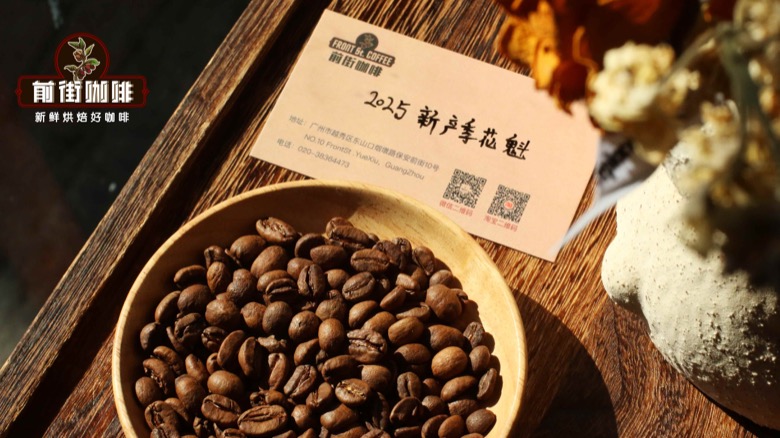
Aside from flavor profiles, the two regional SOEs also show notable differences in crema (coffee foam) characteristics. Ethiopian SOEs are typically roasted to light to light-medium levels, producing a thinner layer of crema with a light golden color and a light texture. In contrast, Central & South American SOEs are often roasted to medium to medium-dark levels, resulting in a thicker crema with a darker golden hue and a denser feel. If you particularly value a dense, creamy crema, Central & South American SOEs are the better choice; on the other hand, if you prefer clearer and crisper flavors, Ethiopian SOEs will better meet your needs.
In terms of extraction parameter settings, the two regional SOEs also come with different recommendations. Since Ethiopian SOE beans are denser and harder, in order to effectively extract their aromatic compounds, it is recommended to use 19 grams of coffee grounds, aiming for 34 grams of output, with the water temperature controlled between 93 to 95°C . The slightly higher water temperature and concentration help to bring out its complex floral and fruity notes. For Central & South American SOEs, which have relatively moderate bean density, standard parameters can be used, such as 18 grams of grounds,36 grams of output, with the water temperature advised to be set at 92 to 94°C. Additionally, because Ethiopian beans are denser, their grind size usually needs to be one notch finerthan that of Central & South American SOEs to improve extraction efficiency and ensure the full release of flavors.
In terms of brewing methods, Ethiopian SOEs are better suited for straight espresso or Americano, allowing you to fully experience their clear floral and fruity notes. Central & South American SOEs, on the other hand, are excellent for milk-based drinks like lattes or flat whites—their nutty and chocolatey profiles blend perfectly with milk, delivering a smooth and full-bodied mouthfeel. If you’re trying SOEs for the first time, it’s recommended to start with the more mild-flavored Central & South American SOEs. Once you’re familiar with their characteristics, you can then challenge yourself with the more vibrant Ethiopian SOEs, gradually developing your ability to discern and appreciate the flavors of different regions.
When purchasing SOE beans, it’s advisable to carefully check the information on the packaging, including origin, variety, processing method, and roast level. Ethiopian SOEs usually come from regions such as Yirgacheffe or Guji, with processing methods primarily involving natural or washed processes, and roast levels tending toward light to light-medium. Meanwhile, Central & South American SOEs are mostly from Brazil or Colombia, commonly featuring natural or anaerobic processing, and are often roasted to medium to medium-dark levels. Taking all three factors—origin, processing method, and roast level—into comprehensive consideration will help you more accurately predict the flavor outcome after brewing.
If you want to further experience the differences between the two regional SOEs, it’s recommended to conduct a side-by-side comparative tasting using the same extraction parameters. Brew one cup of Ethiopian SOE and one cup of Brazilian SOE using identical settings, and alternate sips between them—you’ll immediately notice the distinct contrast between the fruity and floral notes of the former and the nutty, chocolatey tones of the latter. Through repeated tastings, you’ll gradually clarify your own flavor preferences, and in future bean selections, you’ll be able to make more informed choices to find the SOE that best suits your palate.
The above content is compiled by CoffeeHunters, a coffee news website.

