








Introduction:Want to brew single-origin coffee with distinct regional flavors using a moka pot? In fact, as long as you choose the right beans and appropriate parameters, single-origin beans can perform just as well in a moka pot as in pour over or espresso. This article takes an in-depth look at the suitability of common single-origin beans such as Mandheling, Brazilian Queen Estate, and Papua New Guinea Paradise Bird, and provides practical brewing suggestions and flavor descriptions to help you easily explore the diverse world of single-origin coffee in a moka pot.
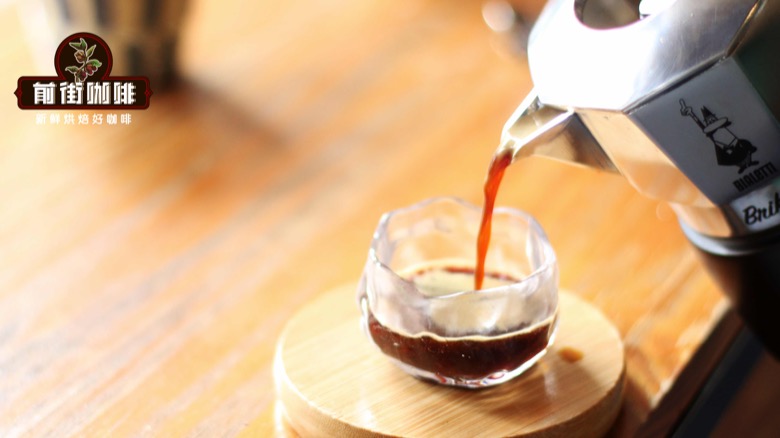
Many people believe that moka pots are only suited for brewing bold coffee with blends, but in reality, selecting high-quality single-origin beans can also showcase captivating regional characteristics. Through its steam-pressure extraction method, the moka pot concentrates the terroir flavors of single-origin beans into a small cup, delivering a body that is richer than pour over yet softer than espresso — making it a fun way to explore different coffee-growing regions.
Among the many single-origin beans, Indonesia’s Mandheling is a classic match for the moka pot. These beans are processed using the wet-hulled method and then dark roasted, resulting in extremely low acidity and instead exuding rich herbal and dark chocolate aromas with layered complexity. When brewed with a moka pot, these traits are further enhanced — you’ll taste a prominent herbal and dark chocolate profile with subtle earthy notes, all wrapped in a bold and lingering mouthfeel. It’s remarkably enjoyable even without milk, especially favored by those who prefer stronger flavors. If you add milk to make a latte, it creates a creamy, dark-chocolate-like richness.
For those who prefer a gentler coffee experience, beans from Brazil’s Queen Estate offer a more approachable choice. Brazilian beans typically have low acidity, with an overall balanced flavor profile led by nutty and cocoa notes, accompanied by noticeable caramel sweetness. The mouthfeel is smooth and non-irritating. Through the steam extraction of a moka pot, the nutty and chocolatey aromas become more concentrated, yet the overall character remains soft, with almost no noticeable bitterness or acidity, making it suitable for most palates. Pairing with milk is a classic combination, where the nuttiness and sweetness are complemented by the creaminess, resembling a warm mug of milk with a hint of chocolate.
If you’re looking to challenge your palate with a different flavor profile, try Papua New Guinea’s Paradise Bird. This bean is of the Typica variety, grown at an altitude of about 1600 to 1800 meters in volcanic soil regions, and its flavor is reminiscent of Blue Mountain coffee, hence earning it the nickname “Little Blue Mountain.” When brewed with a moka pot, Paradise Bird delivers a clean and pure taste with outstanding sweetness, very low acidity, and subtle layers that don’t overpower. It’s ideal for coffee lovers seeking balance and refined expression. If you find Mandheling too intense and Brazilian beans a bit too plain, Paradise Bird strikes a perfect middle ground, offering a rich yet refreshing drinking experience.
If your budget allows, you might also try a premium option — Jamaican Blue Mountain. Blue Mountain coffee is renowned for its excellent balance of acidity, sweetness, bitterness, and aroma, featuring a complex flavor profile of cream, caramel, chocolate, and nuts, all wrapped in a smooth and rounded body. When brewed with a moka pot, these flavors become more concentrated while still maintaining good balance without leaning toward any extreme. Adding a small amount of milk results in a profile similar to hot cocoa, with distinct layers that remain harmonious — perfect for enjoying high-quality coffee moments.
Beyond traditional flavors, those who enjoy unique taste profiles can also experiment with fruity and floral single-origin beans. For example, Colombia Geisha — processed with double anaerobic sun-dried methods — offers pronounced passion fruit and blueberry juice-like notes. When brewed with a moka pot, the fruitiness is softer than in espresso but fuller-bodied than in pour over, creating a unique experience that lies somewhere between the two. Another great option is the Strawberry Candy blend, which retains its sweet strawberry taffy-like aroma well under steam extraction. It’s also great for making milk coffee, producing a playful strawberry milk-like flavor.
In terms of grind size, it is recommended to use a medium-fine grind — slightly coarser than standard espresso but finer than typical pour over. Since single-origin beans generally have relatively uniform density and stable grind consistency, a medium-fine grind ensures moderate resistance in the coffee bed, allowing steam to penetrate evenly for optimal extraction. It’s advisable to use low to medium heat during brewing. Once the coffee starts flowing, you should promptly remove the heat source to avoid over-extraction and bitterness.
Another advantage of using a moka pot to brew single-origin beans is its small-batch extraction characteristic. A single brew usually requires just over ten grams of coffee grounds, enabling you to try beans from different regions or with various processing methods at a low cost. Try Mandheling today, switch to Brazilian tomorrow, and challenge Paradise Bird the day after — through multiple small-batch comparisons, it’s easier to discover your personal favorites. This offers far more flexibility for exploration compared to buying large quantities of a single-origin bean variety all at once.

The above content is compiled by CoffeeHunters, a coffee news website.

