







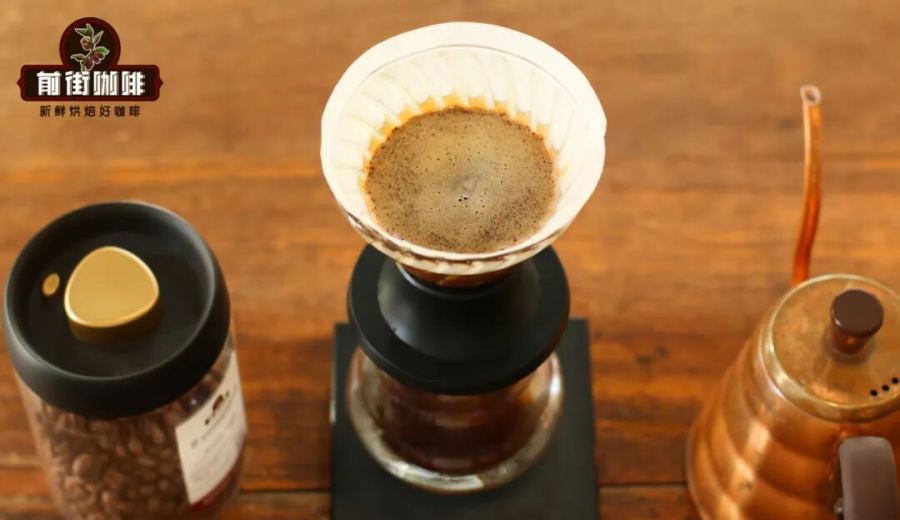
Introduction:The flavor profile of pour over coffee largely depends on the golden ratio between coffee grounds and water. Many coffee enthusiasts habitually stick to fixed ratios like 1:15 or 1:16, yet overlook the importance of adjusting water volume in tandem with minor changes in coffee dosage. This article reveals how a 1-gram difference in coffee grounds alters extraction yield and concentration through a controlled comparative experiment using three dosages—14g, 15g, and 16g—and includes professional parameter recommendations along with practical brewing tips.
Among the many variables in pour over brewing,coffee-to-water ratiois the most fundamental yet critical factor. Unlike water temperature or grind size—which typically require adjustments based on roast level—many hobbyists tend to apply a universal ratio (such as the common 1:15 or 1:16) across all coffee varieties. This habitual practice can lead to an invisible issue: when the actual coffee dose deviates from the intended amount, most people continue using the originally planned water volume.
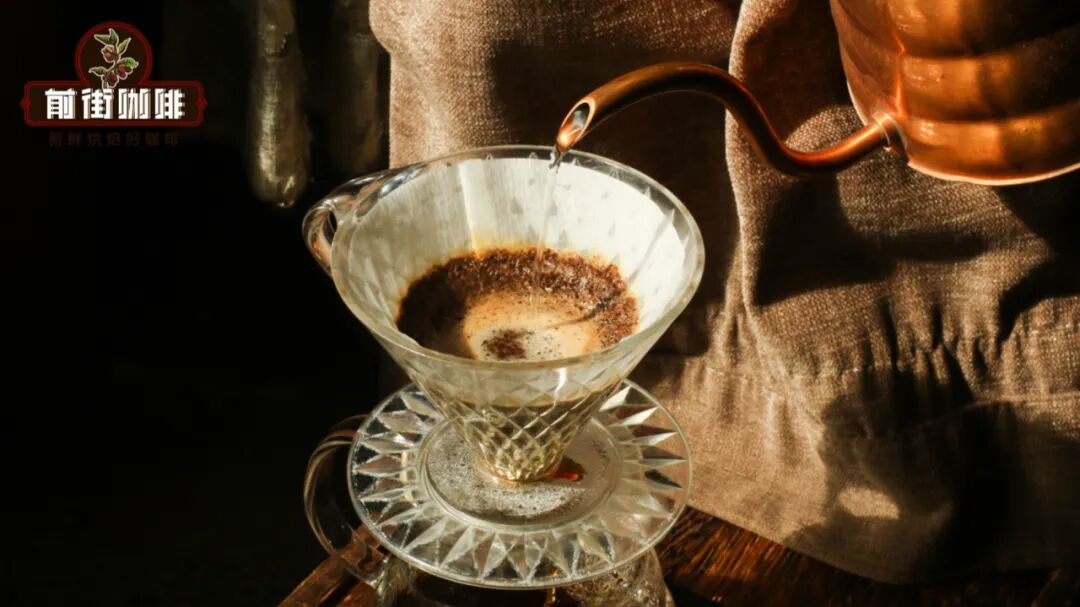
For example: if you routinely use 15 grams of coffee with 225 milliliters of water (a 1:15 ratio), but due to a weighing error you switch to 14 or 16 grams without adjusting the water accordingly, the actual brew ratio becomes 1:16.1 or 1:14.1. This seemingly minor change directly impacts the coffee’sextraction yieldandconcentration levels.According to coffee science, as the brew ratio increases (i.e., more water per gram of coffee), each unit of grounds contacts more water, resulting in lower extraction yield and a lighter cup; conversely, a lower ratio yields more extraction but a stronger-tasting brew.
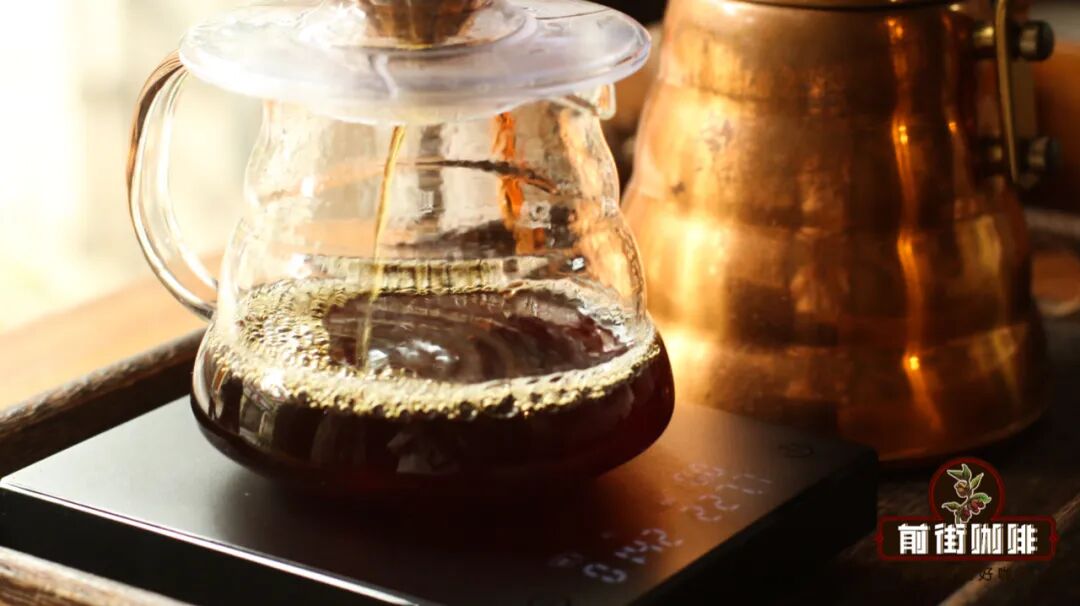
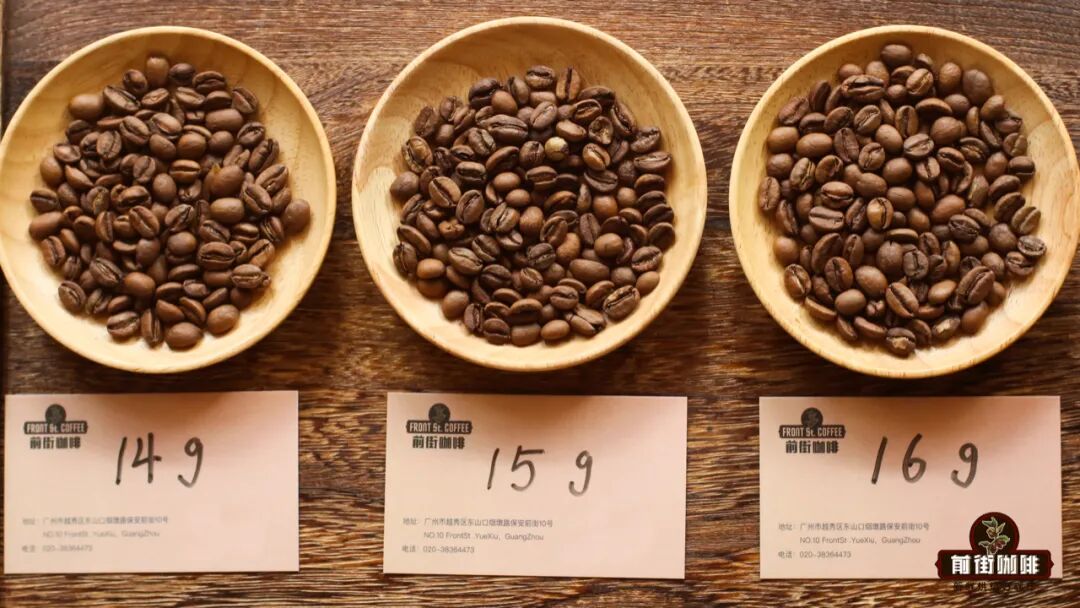
To verify these effects in practice, we designed a controlled experiment: brewing 14g, 15g, and 16g of coffee with the same 225ml of hot water, corresponding to approximate ratios of 1:16, 1:15, and 1:14. We used a well-known brand’s Yirgacheffe Red Cherry lot, measured concentration with professional tools, and combined sensory evaluation to observe how a 1-gram difference in coffee dosage influences flavor.
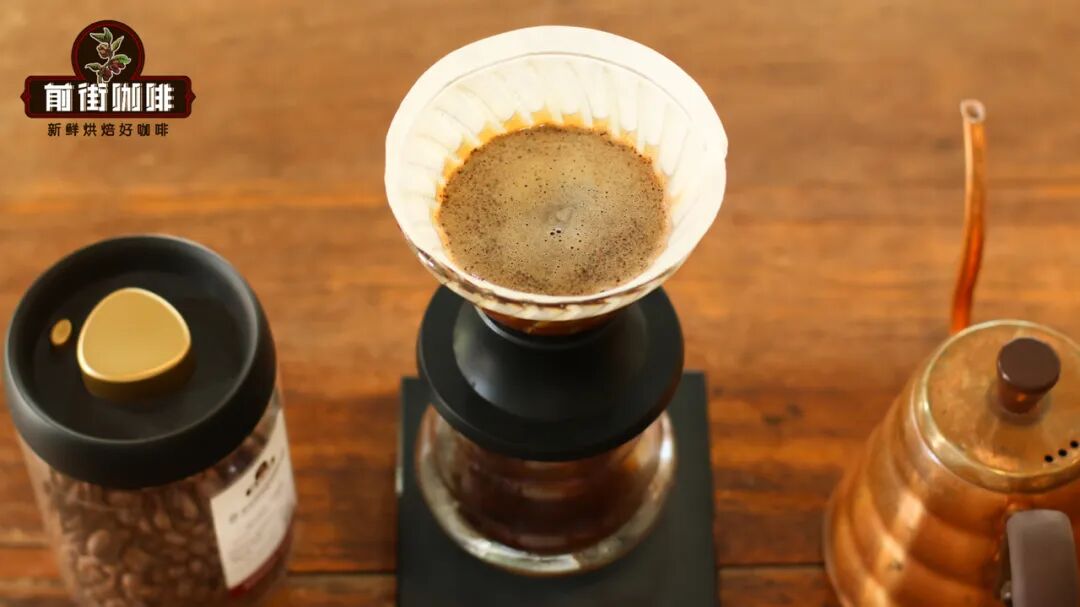
The experiment employed a Switch Smart Cup for immersion brewing, which minimizes the impact of manual pouring techniques to ensure even extraction. Specific parameters were set as follows: water temperature 90–93°C (note: the original 100°C likely a typo, as this falls outside the conventional pour over range), grind size calibrated to the 10th mark on an Ek43 grinder (approximately granulated sugar texture), 20-mesh sieve retention rate of 75%, and total brew time of 9 minutes. These details are crucial for replicating the experimental results.
Experimental data shows:
• 14g dose (1:16): 1.40% concentration, 20.83% extraction yield—yielding a lighter cup with prominent strawberry and citrus notes, a distinct oolong tea finish, but lacking overall body
• 15g dose (1:15): 1.47% concentration, 20.22% extraction yield—striking the optimal balance, combining citrus acidity, berry sweetness, and moderate tea-like texture
• 16g dose (1:14): 1.53% concentration, 19.55% extraction yield—more intense and concentrated, with pronounced acidity and a sharp lemony note in the finish
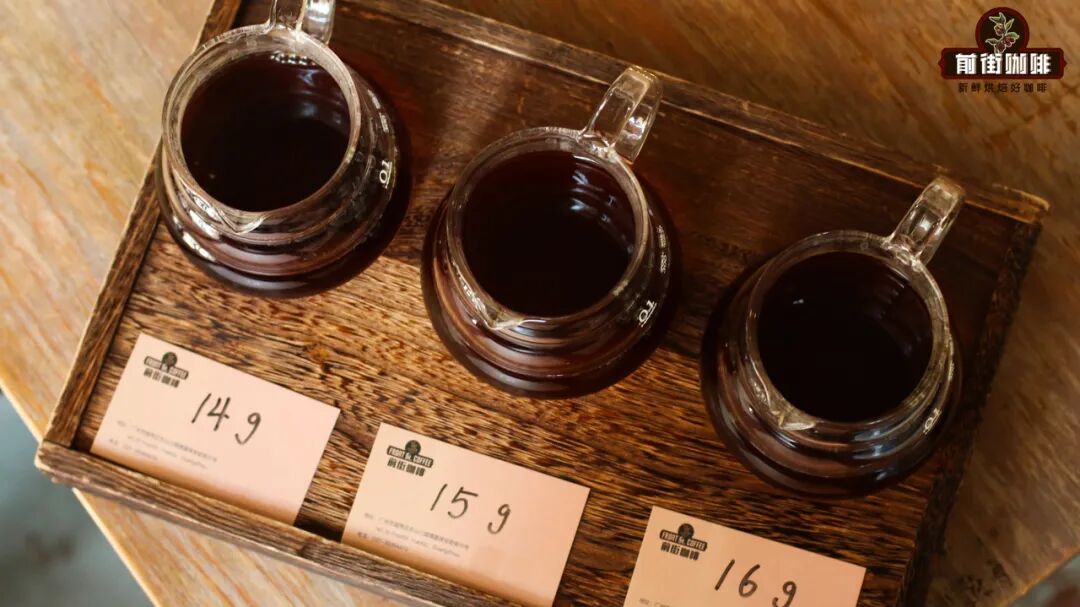
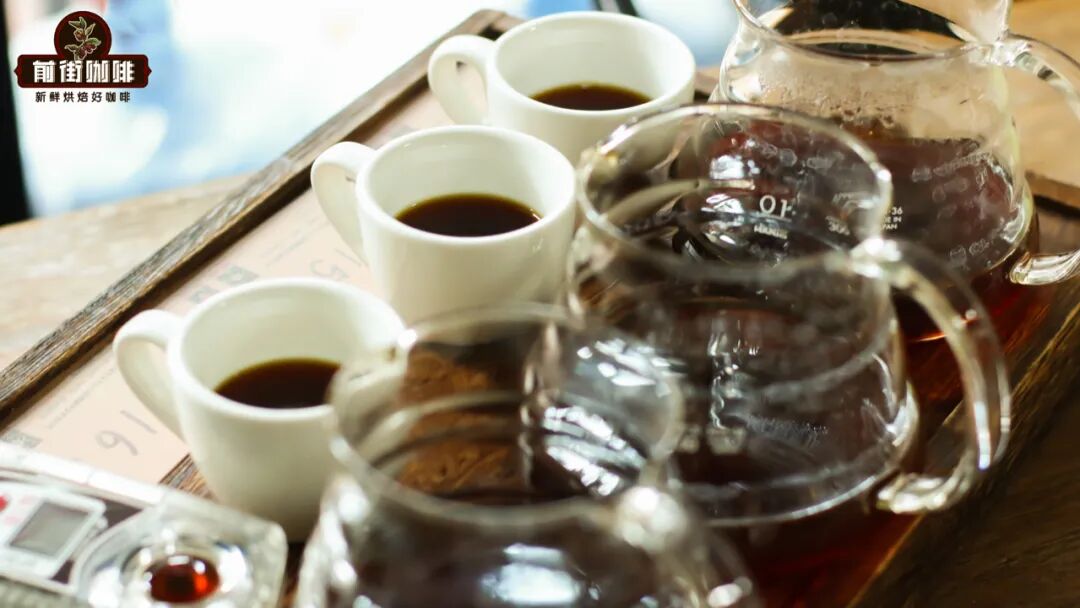
The tasting conclusions align with theoretical expectations: each ±1g adjustment in coffee dose (roughly a 6–7% change) leads to noticeable shifts in flavor profile and mouthfeel structure. For everyday brewing, it’s advisable to adopt the habit of “adjusting water volume whenever coffee dose changes”—for instance, increasing from 15g to 16g should be paired with adjusting 225ml of water to around 240ml (maintaining a 1:15 ratio), or keeping 225ml but accepting a slightly stronger 1:14 ratio.
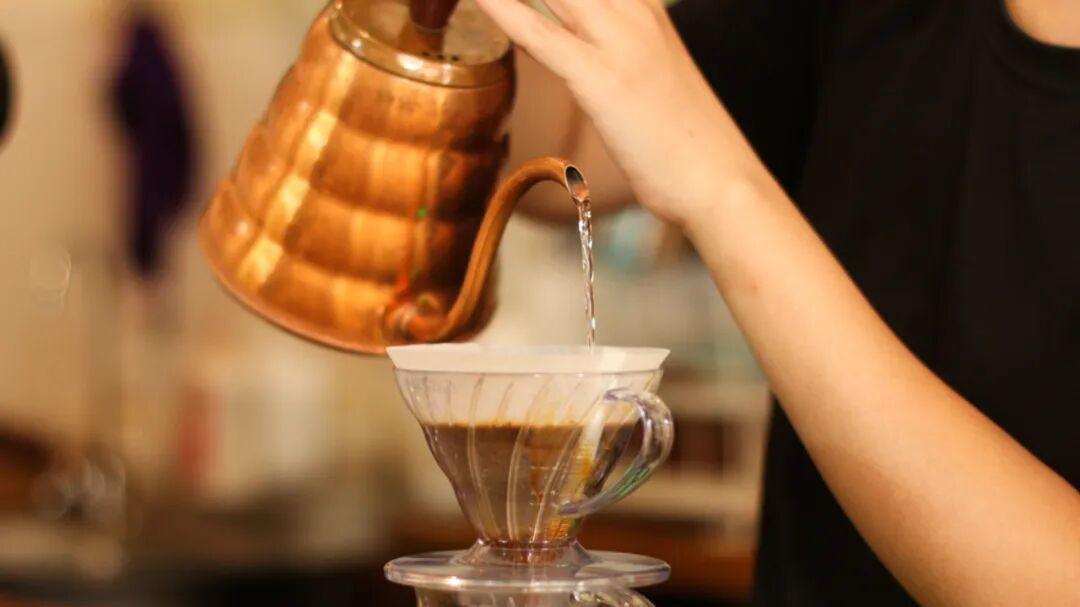
It’s important to note that this experiment only tested ±1g differences. If the actual dosage variance exceeds 5g (e.g., changing from 15g to 20g), adjustments beyond water volume may be necessary—such as modifying grind size (recommend finer), choosing a different filter cone (for dark roasts, consider switching to V60 instead of a smart cup), or altering pre-infusion time. Professional baristas often establish a three-dimensional parameter chart covering “coffee dose–water volume–grind size,” and advanced home brewers are encouraged to record complete brew recipes for each session to inform refinement.
The above content is compiled by CoffeeHunters, a coffee news website.


