Introduction:Kenyan coffee is renowned for its distinctive bright acidity and rich complexity, and the key process behind this is the unique K72 double-washed processing method. This article delves into the 72-hour fermentation process, from the operational details of the fermentation tanks to the principles behind flavor formation, and offers practical pour over brewing parameters to help you better understand the soul of Kenyan beans and achieve an ideal extraction at home.
To trace the craft roots of the "Kenyan flavor," most experts point to the K72 double-washed processing method. Considered the behind-the-scenes hero of Kenya’s signature coffee profile, this method transforms the fruit acids in coffee cherries into traits that are bright, solid, and clean through meticulous fermentation and washing procedures. Understanding this traditional process is to grasp the origin of the uniquely juicy character of Kenyan beans.
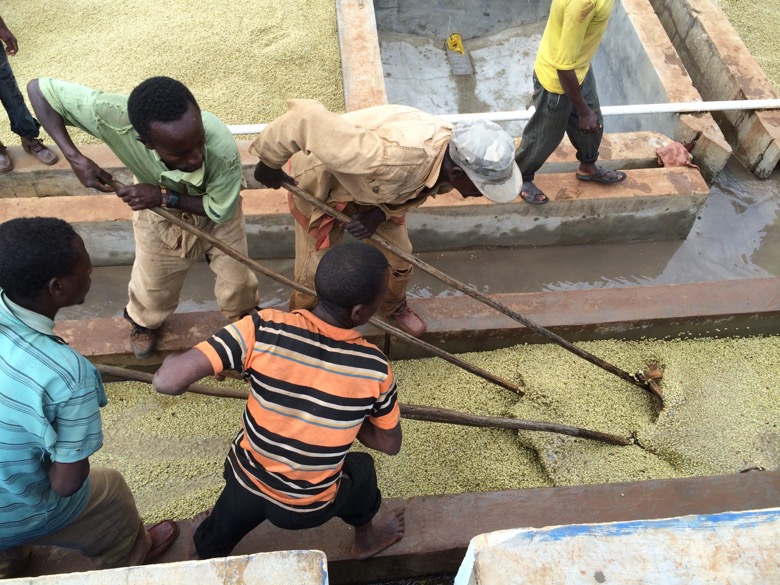
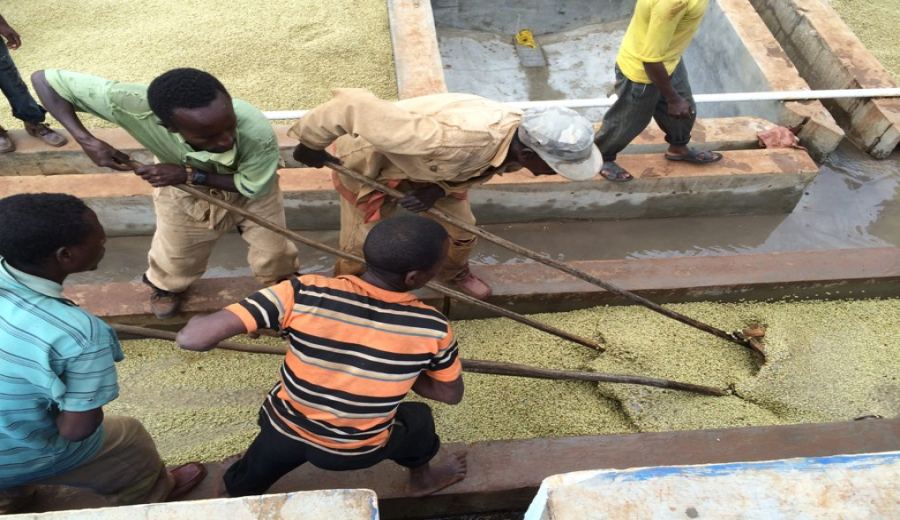
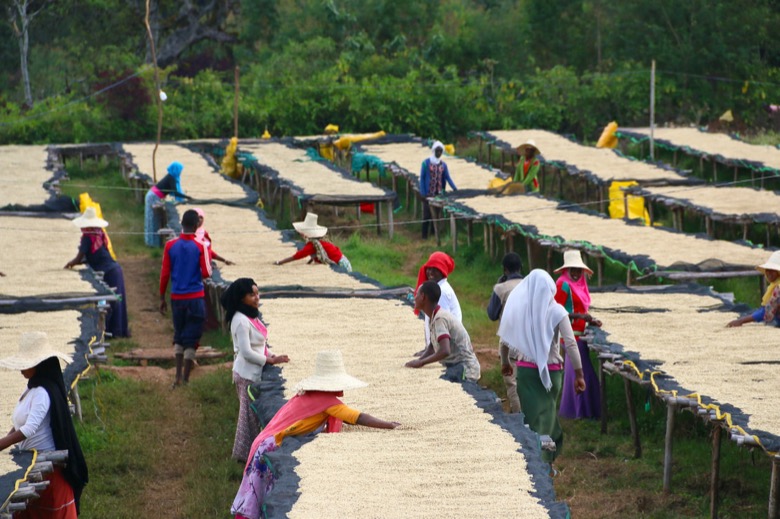
The full steps of K72 double-washed processing actually share a similar starting point with standard washed processing: freshly harvested coffee cherries are first depulped, and the resulting mucilage-covered parchment beans are transferred to fermentation tanks. At this stage, the beans soak in fermentation water for about 24 hours, during which microbes gradually break down the mucilage. However, the real key difference begins here—after the fermentation water is drained, the beans are rinsed, then fresh water is reintroduced, and they soak for another 12 to 24 hours. This rinse-and-soak cycle is repeated, accumulating to a total fermentation time of approximately 72 hours. This design of multiple water changes not only makes the fermentation process more uniform and easier to control, but even during the clear water soaking phases, the beans continue to undergo mild secondary fermentation, further enhancing the clarity of the acidity and overall cleanliness. Only after fermentation is complete are the beans moved to raised beds for slow drying.
Compared to common standard washed processing, the advantage of K72 lies in its strategy of segmented fermentation and multiple water changes. Standard washed processing typically involves only one round of fermentation, where the fermentation pace often relies on experience, and the risk lies in uneven or excessive fermentation—under-fermented batches may taste bland, while over-fermented ones can produce off-flavors. In contrast, K72 breaks down the lengthy fermentation into multiple short segments, each of which can be observed in real time and adjusted accordingly, greatly improving overall stability. If we use the citrus floral notes and green tea aftertaste of a certain Yirgacheffe Guji Dingding as a reference, the acidity of Kenyan beans shows a significantly stronger presence, with dark fruit flavors such as berries and black plums being more concentrated and solid, and sweetness more robust as well.
The reason this processing method can create such a vivid flavor profile lies in the long periods of clear water soaking. During soaking, the acidity of the beans continues to develop, yet does not become murky due to residual mucilage, thus allowing the seemingly contradictory traits of “brightness and cleanliness” to coexist. For example, a certain Kenyan small tomato variety undergoes this 72-hour double-washed fermentation, where the SL28 and SL34 varieties from the Sidama region have their fruity characteristics fully activated. Upon tasting, the flavors of cherry tomatoes and black plums are clear and distinct, the acidity bright and solid, the mid-palate interwoven with pear and black plum fruit notes, and the finish leaving hints of brown sugar sweetness and green tea aroma, fully showcasing the perfect harmony of craftsmanship, variety, and terroir.
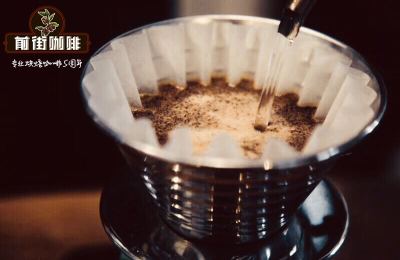
For brewing K72 double-washed beans, it is recommended to aim for a balance of sweet and sour: you can use water at around 90°C, a medium-fine grind, and a powder-to-water ratio starting from 1:15. After about 30 seconds of blooming, it’s suggested to pour in two to three stages. If the acidity feels too prominent, you can try using a grind size half a step coarser or slightly reducing the water temperature by about 1°C. If you wish to amplify the juicy character, you can moderately increase the water temperature or extend the pouring time slightly in the final stage. Additionally, iced pour over is also a highly suitable brewing method—the ice helps lock in the acidity while preserving the sweetness, resulting in a refreshing, juice-like experience upon drinking.
In Kenyan processing facilities, each worker waits patiently through 72 hours to bring out that unforgettable bright acidity in your cup. The next time you taste a Kenyan coffee with an acidity as vibrant as freshly squeezed juice, you’ll have a clearer understanding that this energetic flavor stems from this traditional yet refined double-washed processing method.
The above content is compiled by CoffeeHunters, a coffee news website.