Introduction:Coffee leaf rust is not only one of the most devastating diseases in the history of coffee cultivation, but it has also profoundly influenced the evolution of global coffee varieties and the distribution of growing regions. From destroying Sri Lanka’s coffee industry in the 19th century to remaining an ever-looming threat over coffee farmers today, this ongoing battle against rust has given rise to many disease-resistant varieties we are familiar with today. However, it has also made the constant trade-off between flavor and yield an eternal challenge. This article will take you through the origins, impacts, and coping strategies of coffee leaf rust, as well as how it quietly shapes the story behind the cup of coffee in your hand.
In the long history of coffee cultivation, if one had to choose a single disease that has had the most profound impact on the industry, there is no doubt it would be coffee leaf rust. This serious plant disease, caused by a fungus, nearly wiped out Sri Lanka’s (now known as Shri Lanka) coffee industry in the 19th century, and over the following hundred-plus years, it successively invaded coffee-growing regions around the world, completely reshaping the composition of global coffee varieties and the trade landscape. To this day, it remains one of the greatest threats faced by countless coffee farmers.
Coffee leaf rust is caused by a fungus known as Hemileia vastatrix. The spores of this pathogen primarily spread through wind and rain. Once they attach to the underside of coffee leaves, they begin to reproduce, forming conspicuous orange-yellow powdery lesions that look as though the leaf surface is “rusting.” These rust spots not only affect the appearance of the plant, but more severely interfere with the leaf's ability to perform photosynthesis. In mild cases, this leads to leaf drop and a sharp decline in yield, while in severe cases, it can cause the entire coffee tree to wither and die.
The rust pathogen thrives in hot, humid environments, making it particularly prone to large-scale outbreaks in coffee farms at lower altitudes, where plants are densely planted or overly shaded. For many farms that prioritize high yields but neglect proper cultivation management, coffee leaf rust often becomes the most difficult nightmare to prevent.
When discussing the historical impact of coffee leaf rust, one cannot overlook 19th-century Sri Lanka. At that time, this South Asian island nation was one of the world’s major coffee exporters. However, within just a few years, coffee leaf rust rapidly spread across the island, almost completely destroying its coffee plantations. Faced with continuously declining yields and economic losses, many plantation owners had no choice but to cut down their coffee trees and switch to growing tea — a crop better adapted and more resistant to disease. This shift also gave rise to Sri Lanka’s current international reputation for high-quality black tea. This event indirectly prompted the global center of coffee cultivation to shift toward regions such as Latin America and Africa, profoundly influencing the distribution of modern coffee-producing areas.
To combat the threat of coffee leaf rust, scientific research institutions and coffee producers around the world embarked on a long journey of breeding disease-resistant varieties. Among them, coffee research institutions in Portugal utilized disease-resistant genes from the Timor hybrid variety to successfully develop a series of rust-resistant cultivars, including Catimor and Sarchimor. These new varieties are characterized by fast growth, high per-unit yield, and strong disease resistance, and thus quickly gained widespread planting and promotion in Latin America.
However, the flavor performance of these disease-resistant varieties is often questioned. Many coffee enthusiasts and professional cuppers believe that varieties such as Catimor, which were bred primarily for disease resistance, often lack complexity and layered flavors in cupping, tasting rather one-dimensional and difficult to compare with traditional high-quality varieties. In contrast, traditional and well-known varieties such as Typica, Bourbon, and Geisha, while possessing exceptionally captivating aromas and flavor profiles, have very low resistance to coffee leaf rust and generally offer modest yields. Striking a balance between disease resistance and flavor quality remains a persistent dilemma faced by coffee-growing regions and individual farms worldwide.
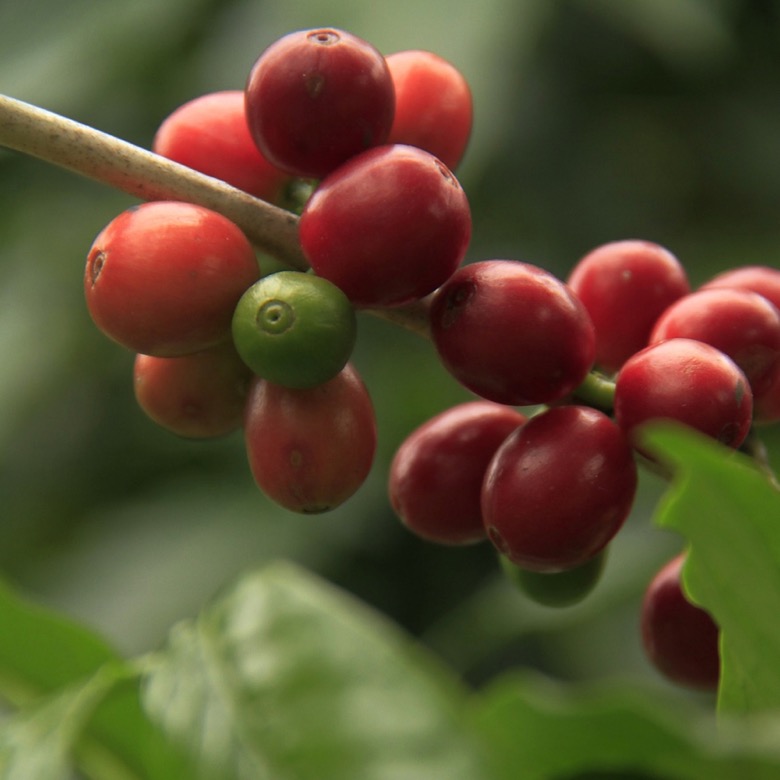
In addition to varietal selection, maintaining genetic diversity is also considered a key strategy in resisting disease. Planting a single variety over large areas is akin to rolling out the red carpet for disease — once the pathogen adapts or mutates, it could trigger large-scale disasters. By contrast, original forest ecosystems rich in genetic diversity can serve as a natural buffer against epidemics.
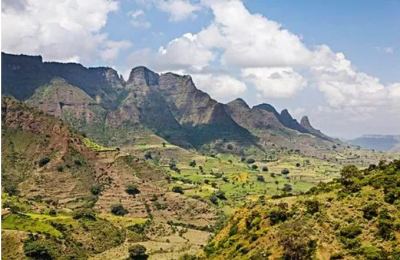
Take the Kafa Forest in southwestern Ethiopia as an example. This area, designated as a UNESCO Biosphere Reserve, is believed to be the birthplace of Arabica coffee and still preserves the genetic parent stock of thousands of wild Arabica strains. The multi-strain blended heirloom coffee beans produced in this region not only carry unique regional flavor characteristics but also provide valuable genetic resources for global coffee breeding programs, helping to develop future varieties with greater adaptability and flavor. Such a germplasm bank holds value far beyond that of a mere beverage — it is the very cornerstone of the industry’s long-term stability.
From the tragedy in Sri Lanka to today’s breeding achievements around the globe, coffee leaf rust is not just an agricultural disaster, but also a profound ecological lesson. It reminds us that the prosperity of the coffee industry is actually built upon an extremely fragile and interdependent ecological balance. The next time we sip a cup of coffee with its nuanced and varied flavors, perhaps we should also reflect on the centuries-long, unyielding struggle of coffee farmers against disease that this beverage represents.
The above content is compiled by CoffeeHunters, a coffee news website.