







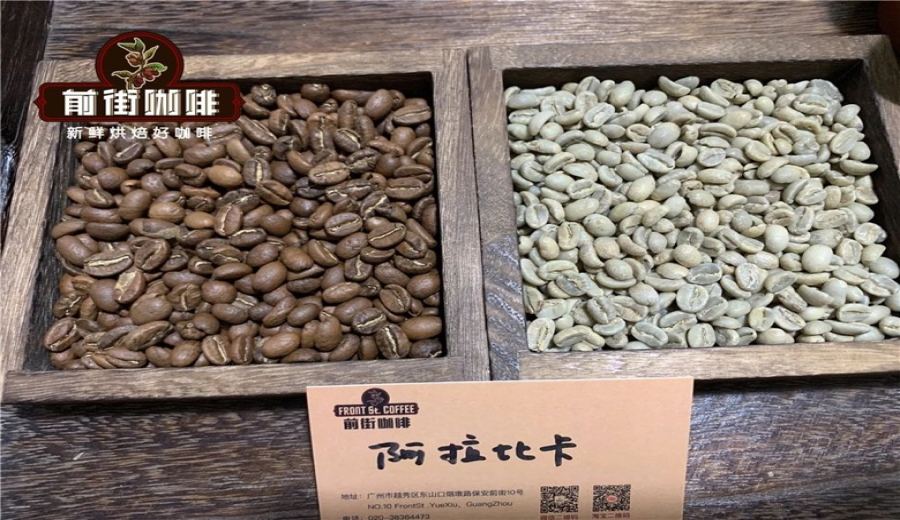
Introduction:Did you know? In addition to origin and processing method, the density and hardness of coffee beans are also key indicators that influence flavor performance. These two often overlooked physical properties actually have a profound impact on roasting performance, ease of extraction, and even the final aroma and complexity you experience in the cup. This article will delve into the origins of density and hardness, and teach you how to select the right coffee beans based on these characteristics—whether you’re brewing pour over or going for a dark roast, you’ll be better equipped.
When we’re selecting coffee beans, we often pay attention to origin, processing method, and roast level, but there’s one factor that deeply influences flavor yet is rarely mentioned: the density and hardness of green beans. Though not obvious at first glance, these two metrics are key to determining whether a bag of beans can support a particular roast degree and extraction method—especially crucial in the world of pour over coffee.
The density and hardness of green coffee beans are primarily influenced by the altitude at which they’re grown. At high altitudes, due to lower temperatures, coffee cherries ripen more slowly, allowing the beans more time to develop inside the fruit. The cell walls become tighter and the structure more solid, resulting in relatively higher density and hardness. Well-known high-altitude regions such as Kenya and Ethiopia generally produce beans with these traits. In contrast, beans grown at lower altitudes mature faster due to higher temperatures, resulting in a looser structure and naturally lower density.
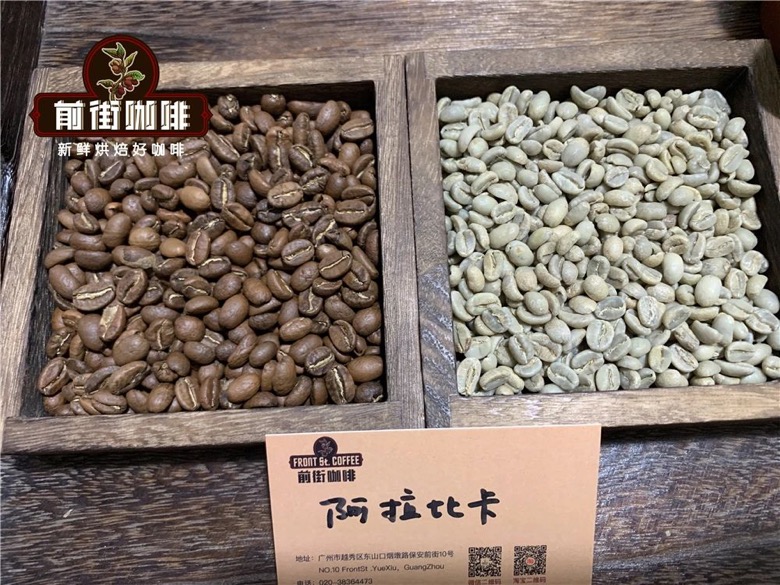
These physical properties directly affect the roasting process and outcome. High-density beans, with their tight structure, allow for more even heat conduction during roasting, helping to preserve more flavor compounds—making them particularly well-suited for light to medium roasts, where bright floral and fruity notes and acidity can really shine. On the other hand, low-density beans, with their looser structure, are prone to scorching on the outside while the center remains underdeveloped, posing a significant challenge for roasters in controlling the heat. This explains why many high-quality light roasts come from high-altitude regions—not because low-altitude beans can’t be good, but because their physical properties make it harder for them to express optimal flavors in lighter roasts.
Looking further, high-density beans often exhibit brighter acidity, clearer layers, and a cleaner sweetness. For example, Kenyan beans of the “small tomato” variety grown at around 1550 to 1750 meters and processed with a 72-hour double washed method showcase acidity as vivid and vibrant as cherry tomatoes and black plums. Meanwhile, Colombian Geisha beans grown between 1650 to 1800 meters, processed via double anaerobic sun-dried method, offer a rich juice-like flavor blending passionfruit and blueberry, balanced in acidity and sweetness with distinct layers. These examples demonstrate how high altitude and high density support complex and captivating coffee flavors.
When choosing coffee beans, you can pair the hardness and density characteristics with an appropriate roast level. If you prefer bright fruity acidity and delicate floral notes, go for high-altitude, high-density beans roasted lightly—for instance, Yirgacheffe Guddina or Granja La Esperanza Geisha are great options. If you lean toward richer, lower-acidity profiles, consider medium to dark or fully dark roasted beans, such as PWN Indonesian Yellow Gold Mandheling or Brazilian Queen Estate—these beans, when dark roasted, allow sugars to fully caramelize, releasing abundant nutty and cocoa sweetness.
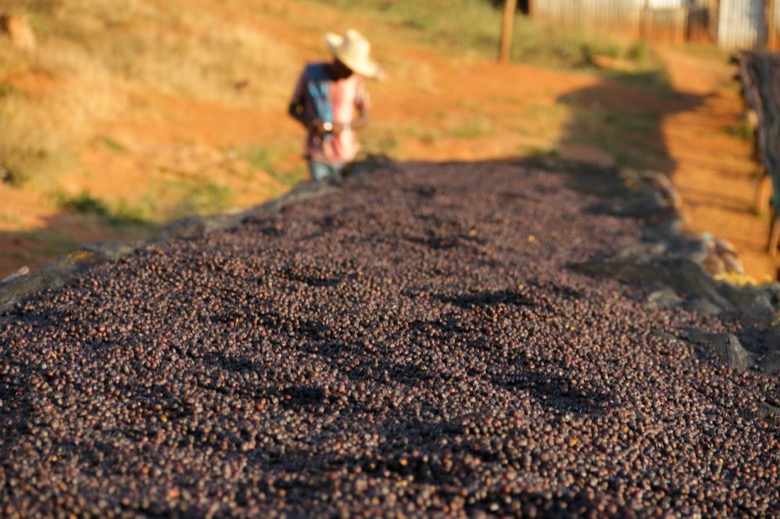
It’s worth noting that most coffee packaging doesn’t directly list density and hardness values, but we can glean clues from the origin altitude, processing method, and roast recommendations. When you see the growing altitude noted on the package, it’s worth paying extra attention—it often helps you determine whether the beans are suitable for your preferred brewing method and flavor profile.
In summary, understanding the density and hardness of coffee beans not only helps you choose the right beans more accurately, but also allows you to make smarter adjustments during roasting and extraction—further enhancing the overall coffee experience. Next time you’re picking coffee, in addition to considering origin and processing method, remember to take these two hidden indicators into account—you’ll discover a much wider world of flavor.
The above content is compiled by CoffeeHunters, a coffee news website.

