Introduction:The Hambela region of Ethiopia, nurtured by its high-altitude environment, produces coffee with uniquely distinctive flavors—particularly its washed processed beans, which are celebrated for their remarkable sweetness. This article delves into the geographical characteristics of Hambela, how high altitude influences the sweetness and acidity of the coffee, and analyzes how processing methods shape its flavor profile. Whether you're new to specialty coffee or searching for your next pour over bean, you'll gain key insights into selecting and appreciating high-altitude washed beans.
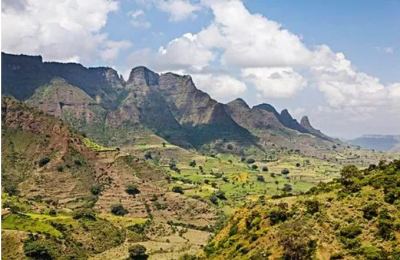
Among Ethiopia’s many high-altitude coffee-growing regions, Hambela has gradually risen to prominence in recent years. Located within the Guji zone, this area benefits from an exceptional geographical environment and outstanding washed processing techniques, yielding coffee beans with captivating sweetness. Especially on the higher-altitude hillside plots, where growing conditions are harsh yet ideal for unique flavor development.
Hambela is situated in Ethiopia’s southern Guji zone, characterized by mountainous terrain, cool climate, and persistent cloud cover. Most of the coffee farms here lie at elevations exceeding 1,900 to 2,100 meters above sea level. Compared to lower-altitude regions, coffee cherries mature more slowly here, allowing sugars to accumulate more fully and laying a solid foundation for the sweetness in the final cup.
Why does high altitude enhance the sweetness of coffee? The key lies in the variation between day and night temperatures and average ambient temperature. As altitude increases, abundant sunlight during the day is followed by sharp drops in temperature at night. This slows the growth rate of coffee trees and extends the time that coffee cherries remain on the tree. Under such conditions, sugars and various flavor precursors within the beans have more time to accumulate and transform, ultimately resulting in a richer, brighter sweetness during brewing, while maintaining clear, clean acidity. This is also why coffee lots from the Hambela region often exhibit strong distinctiveness, with well-defined and layered flavor profiles.
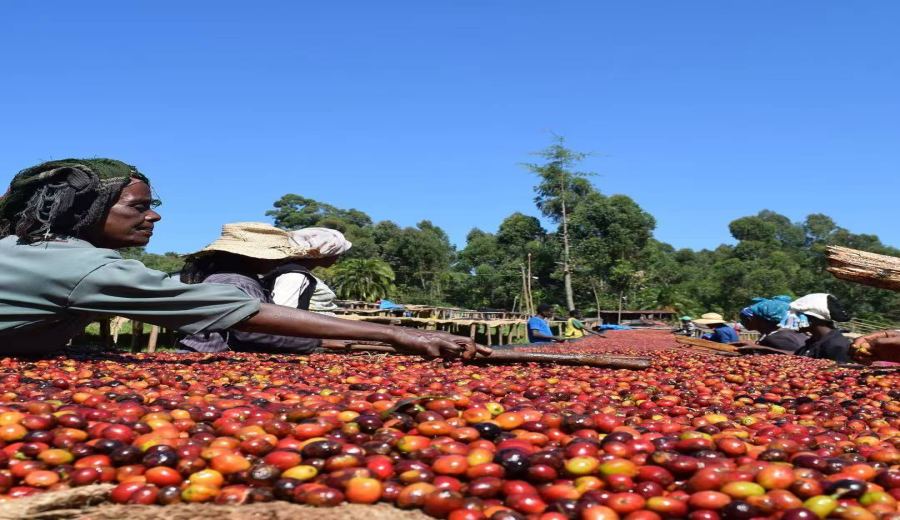
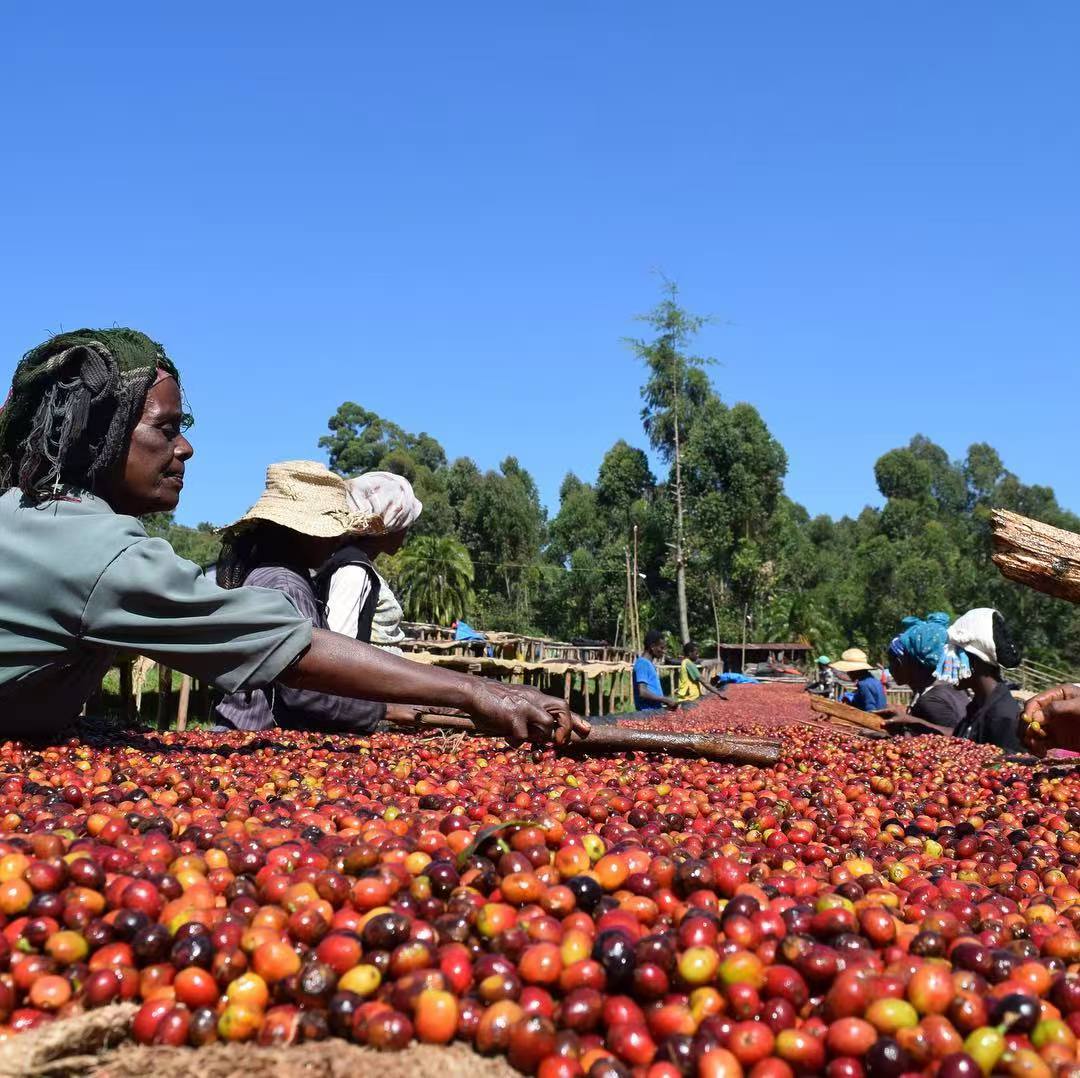
Beyond altitude, the processing method also plays a crucial role in expressing sweetness. In high-altitude regions like Hambela, the two common processing methods—natural (sun-dried) and washed—highlight the charm of sweetness in different styles. Natural processing allows sugars from the coffee fruit pulp to penetrate more deeply into the bean core, imparting intense tropical fruit aromas and a sweet, syrupy mouthfeel, making it highly appealing to those who enjoy bold fruit flavors. Washed processing, on the other hand, emphasizes cleanliness and a well-balanced, clear sweetness-acidity profile, presenting sweetness in a crisper, more delicate manner—ideal for consumers who prefer refined flavors.
If you'd like to personally experience the charm of Hambela coffees, consider starting with more readily available washed processed lots. For example, Ethiopian Huika washed beans are a highly recommended entry point—offering a fresh, layered sweetness often accompanied by distinct berry and citrus notes, making them perfect for daily pour overs or as a starting point for exploring the flavors of high-altitude washed coffee. Additionally, the Gesha variety from the Guji zone, when processed through slow natural drying, can express sweet, juicy fruit aromas reminiscent of guava and apricot—an excellent choice for more advanced tasting.
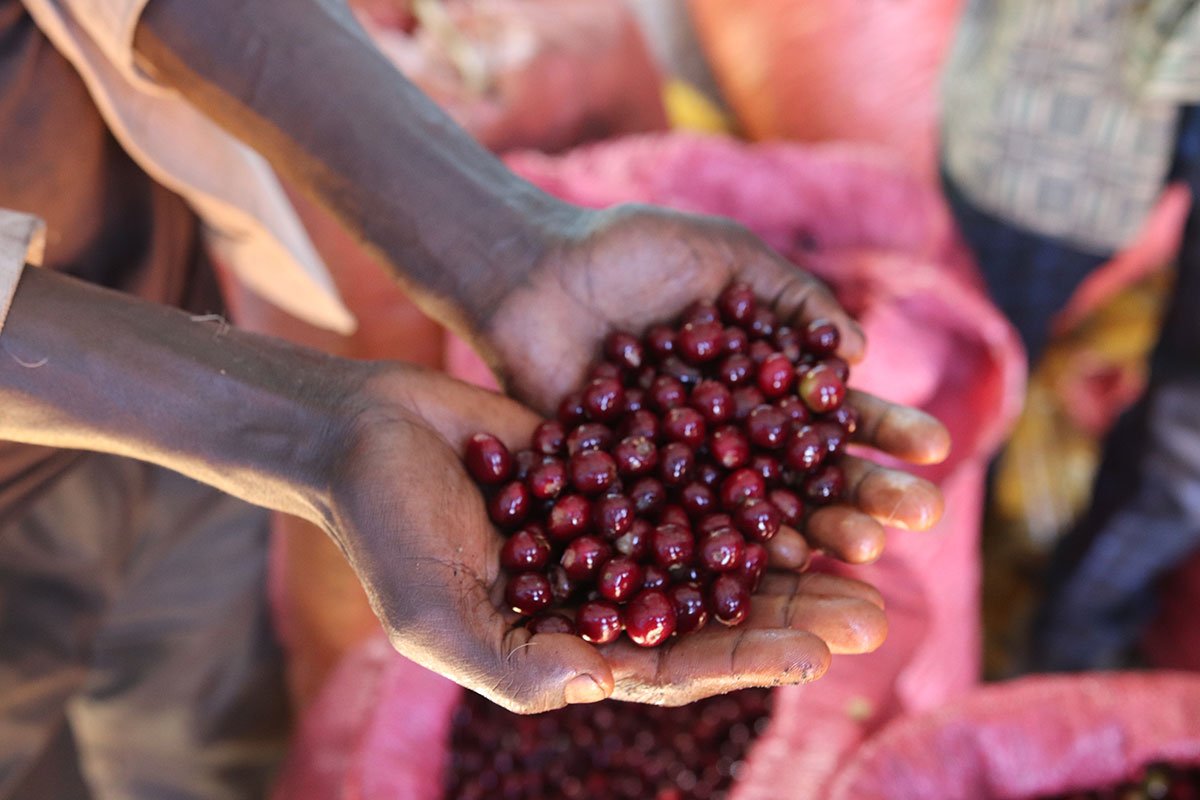
In summary, the unforgettable sweetness of Hambela coffees stems from the slow maturation brought about by the high-altitude environment, combined with appropriate processing techniques that precisely present its nuanced flavors. Regardless of your preferred processing method, starting with Hambela allows you to experience, in every sip, the subtle transformation and depth of flavor from origin to cup.
The above content is compiled by CoffeeHunters, a coffee news website.