







Introduction:Do you always struggle between acidity and bitterness when drinking coffee? In fact, there’s a prominent path in specialty coffee centered around sweetness—smooth, easy to drink, and widely appealing. This article delves into the sources of coffee sweetness, highlights several high-sweetness pour over beans, and provides practical brewing parameter suggestions to help you master the essence of sweet coffee effortlessly. Whether you're a beginner or an enthusiast seeking layered flavors, you’ll find an ideal choice here.
Among coffee’s diverse flavor profiles, “sweetness” is often an underrated element. Many people hover between acidity and bitterness, overlooking a captivating route in the specialty coffee world that takes sweetness as its main theme—gentle on the palate, thought-provoking, and suitable for coffee lovers of all ages. This article will give you a comprehensive understanding of the charm of sweet-profile coffee beans.
Where does coffee sweetness come from? The key lies in the caramelization reaction during roasting: sucrose transforms into caramel-like compounds, releasing enticing sweet aromas such as brown sugar, honey, and caramel. Meanwhile, the bean’s natural sugars and organic acids create an “acid-sweet balance” during brewing, giving the brain a perception similar to sweetness. Generally speaking, beans roasted to medium-dark to medium levels exhibit a more direct and pronounced sweetness.
Here are several sweet pour over beans worth trying: The Brazilian Queen Estate beans are a benchmark for sweet-profile beans. They boast rich nutty and cocoa aromas, with noticeable caramel sweetness, a smooth mouthfeel devoid of astringency, and a warm, lingering aftertaste. As one of the world’s major coffee-producing countries, Brazil offers these beans from Queen Estate that are rich in oils, great in value, and capable of showcasing their characteristics whether brewed via pour over, espresso, or moka pot.
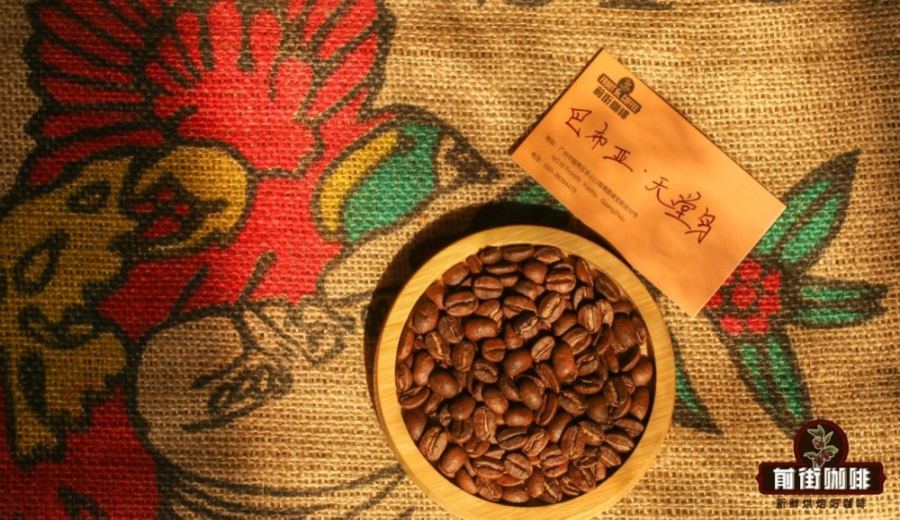
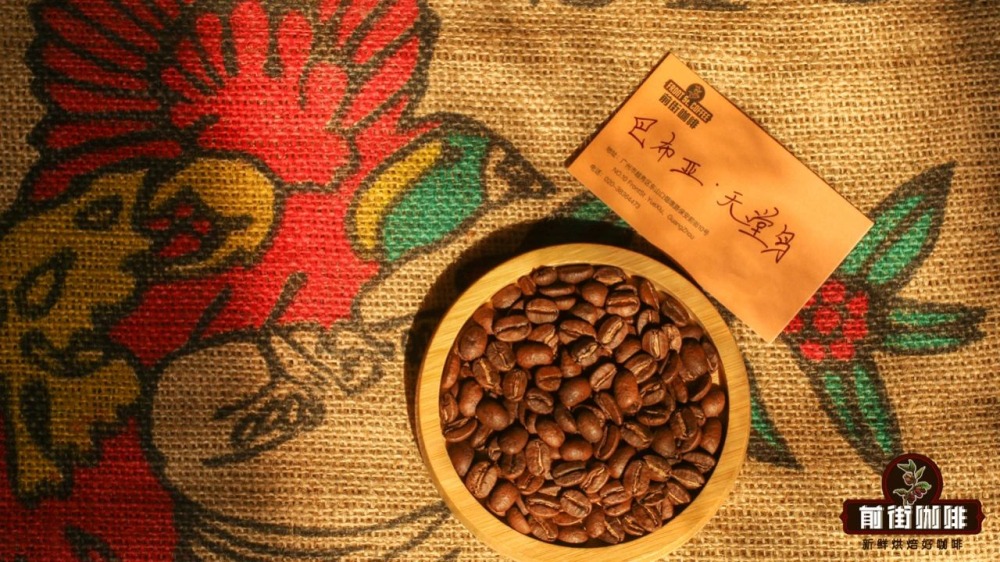
The Papua New Guinea Bird of Paradise beans, on the other hand, use the Typica variety and are grown in volcanic soil, classified as AA grade. They undergo a triple-washed fermentation process, resulting in a clean taste with particularly outstanding sweetness, often praised for having a “mini Blue Mountain”-like balanced and elegant style.
The 2013 Yunnan Natural Typica beans preserve more sugars through the natural (sun-dried) processing method, delivering citrus and caramel aromas paired with the rich body of nuts and chocolate. Medium-dark roasting enhances the solid brown sugar sweetness, making it ideal for those who prefer bold flavors.
The Autumn Chestnut blend combines Honduran Caturra and Papua New Guinean Typica. Upon the first sip, it presents a nutty sweetness reminiscent of roasted chestnuts, followed by a mid-palate of rich caramel and black sugar sweetness, and a finish that hints at cocoa and subtle spices. This blend perfectly merges “sweetness and complexity,” serving as an exemplary model of recipe design.
As for brewing advice, the key to sweet-profile beans lies in “stable extraction”: a recommended coffee-to-water ratio is 1:15, with water temperature controlled between 86–89°C and a medium-fine grind size to ensure full extraction without crossing into bitterness. To further enhance sweetness, try slightly lowering the water temperature and slowing down the pouring speed to let the sweetness present more delicately.
So, who is especially suited to the sweet coffee path? If you’re used to adding sugar to your coffee and want to gradually reduce sugar intake, sweet beans offer the ideal transition choice of “sweetness without sugar.” For morning consumption on an empty stomach, low-acidity sweet beans are gentler on the stomach. Additionally, for those looking to introduce coffee to non-coffee drinkers, sweet beans typically have the highest acceptance rate among all styles.
Start exploring with the Brazilian Queen Estate beans, and you’ll rediscover the rich layers and unique charm of sweetness in coffee.
The above content is compiled by CoffeeHunters, a coffee news website.


