







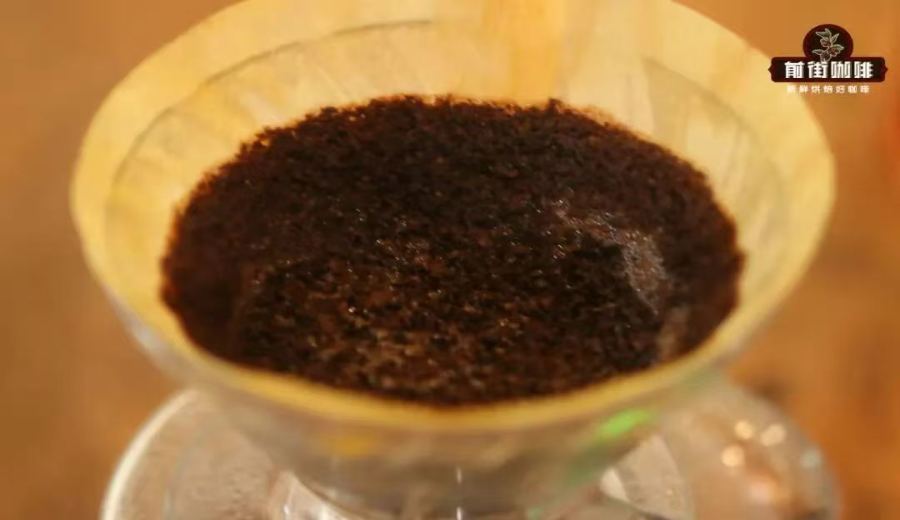
Introduction:Choosing the right pour over coffee beans is the first step to brewing a great cup of coffee. Different regions, processing methods, and roast levels impart vastly different flavor profiles to coffee — from bright fruity notes to rich chocolatey tones, the options are diverse. This article will help you find the coffee beans that best suit your needs by focusing on three key aspects: "flavor preference," "brewing skill level," and "drinking occasion," along with practical advice to help you quickly grasp the joy and essence of pour over brewing.
Much of the charm of pour over coffee comes from the choice of beans. Whether it's the terroir of the origin, the coffee variety, the post-harvest processing method, or the roast depth — all directly influence the final extraction flavor. If you want to find the most suitable pour over beans based on your preferred taste, this detailed guide is exactly what you need.
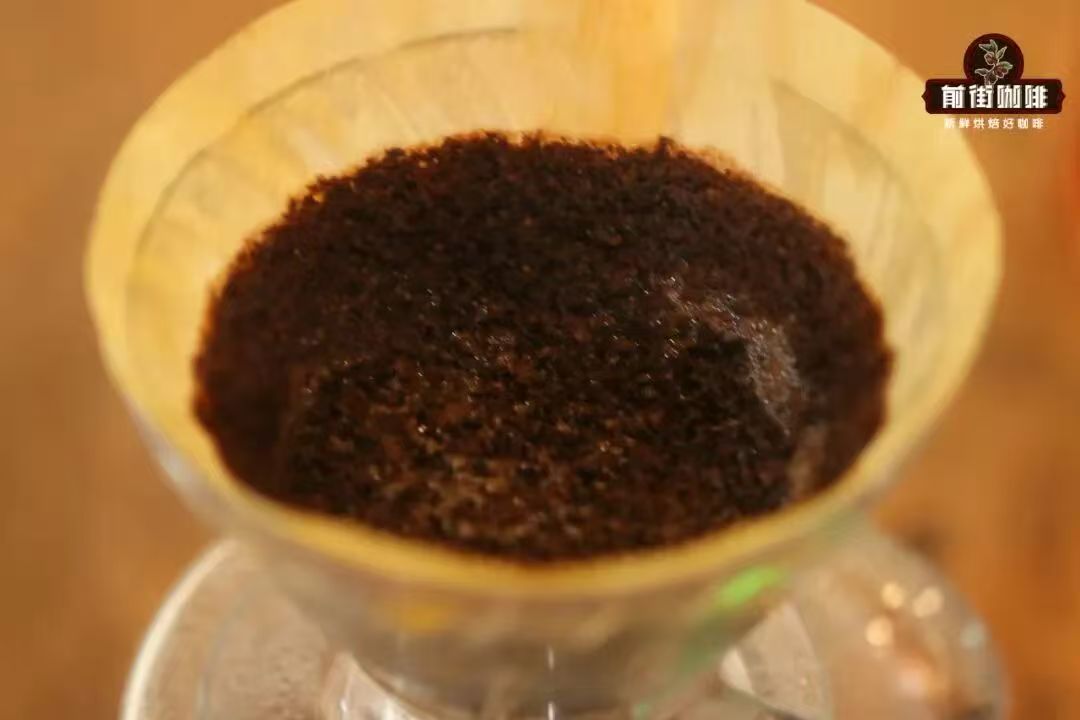
If you prefer coffee with a bright and lively profile, featuring floral and fruity aromas along with vibrant acidity, lightly roasted beans from high-altitude regions in Africa are usually the best choice. These regions, due to their high elevation and unique microclimates, produce coffee that often has delicate layers of aroma and a refreshing acidity, ideal for those who enjoy a bright-tasting cup. Common flavor profiles include citrus, berries, tropical fruits, and even light floral notes.
If you lean more toward coffee that is rich, full-bodied, low in acidity, and features nutty and cocoa flavors, it’s recommended to choose beans roasted to a medium-dark level from mid-to-low altitude areas. Such coffees typically offer a smoother mouthfeel with a balanced bitterness and sweetness, perfect for savoring slowly. Typical flavors may include dark chocolate, caramel, spices, or gentle woody notes.
For coffee enthusiasts looking to try something different, keep an eye out for beans that use special processing methods (such as anaerobic fermentation or honey processing), or those with distinctive blend recipes. These coffees often have more prominent fruity or sweet characteristics, bringing unique and surprising flavor experiences — such as intense blueberry, passionfruit, or even a soft candy-like sweetness.
Recommendations also vary depending on the user’s brewing skill level. For beginners just starting with pour over, it’s advisable to choose beans with a high margin of error and a more balanced flavor profile — for example, entry-level light-to-medium roasted beans from Brazil or Ethiopia. Even if there are slight deviations in brewing time or water temperature, you can still enjoy a decent coffee experience, which helps build confidence and technique.
More advanced users can start exploring beans with distinct regional characteristics and processing features, such as certain specially processed single-origin beans from Kenya or Colombia. These coffees often showcase more refined regional traits — such as unique berry acidity, floral aftertastes, or juice-like mouthfeels — making them a great choice for exploring nuanced flavors.
For seasoned coffee aficionados, challenging yourself with high-quality, highly distinctive specialty beans — such as the Geisha from Panama’s Hacienda La Esmeralda or the Golden Mandheling from Indonesia — can deliver a deeper flavor experience. Geisha is known for its delicate floral notes and tea-like body, while Mandheling offers intense spice and earthy tones, ideal for those who love profound flavor experiences.
Daily drinking occasions can also influence your bean selection. If you’re looking for a daily drinker, it’s recommended to choose beans with good cost-performance, stable flavor, and easy drinkability — such as light-to-medium roasted options from Brazil or Yirgacheffe, which are suitable for everyday enjoyment without becoming monotonous.
On weekends, when you want to slow down and savor the layered complexities of coffee, consider choosing a flavorful single-origin bean — such as Huakui or Geisha. By using appropriate brewing techniques, you can enjoy its multi-layered aromas and evolving aftertastes, making it a perfect choice for a slow coffee lifestyle.
As autumn and winter arrive, the rich and warming flavors of dark roasted beans — such as Golden Mandheling or Blue Mountain No.1 — are especially suited for hot pour over brewing, bringing a comforting sense of happiness. In summer, opt for beans with bright acidity and a refreshing mouthfeel; whether brewed as iced pour over or cold brew, they offer a cool and delightful taste experience.
In summary, the most important thing in choosing pour over coffee beans is to identify the flavor direction you enjoy, then make a suitable selection based on your own brewing skills and daily usage scenarios. By gradually trying different combinations of regions, processing methods, and roast levels, you’ll be able to build your own coffee flavor map and enjoy a richer pour over journey.
The above content is compiled by CoffeeHunters, a coffee news website.


