







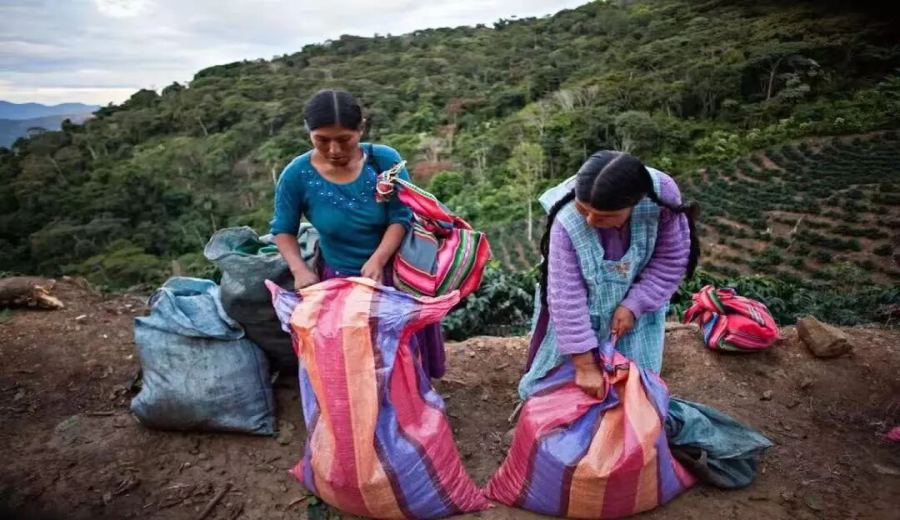
Introduction:Bolivian coffee beans are renowned for being cultivated at high altitudes and offering delicate flavors, yet they are rarely seen on the market. What exactly causes their scarce production? This article will delve into the regional characteristics, variety background, and processing methods of Bolivian coffee, while also providing professional brewing recommendations and flavor descriptions to help you fully appreciate the unique charm of these exceptional beans.
When it comes to Bolivia, many people think of its magnificent mountains and highland landscapes, but few realize that this landlocked South American country is actually one of the potential coffee-growing regions. With abundant natural resources and high-altitude terrain, Bolivia produces coffee that often features distinct sweetness and gentle acidity, with nuanced flavor layers. However, despite its good quality, Bolivian coffee remains relatively rare in the international market, and there are many complex reasons behind this.
Geographical and Social Factors Behind Extremely Low Production
Bolivia shares a border with Brazil and is a typical highland region, with an average altitude exceeding 3,000 meters. Its constitutional capital is Sucre, but the actual administrative center, La Paz, sits even higher at over 3,600 meters above sea level, making it the highest capital city in the world. Such a high-altitude environment is theoretically very suitable for growing high-quality coffee, as the altitude slows down the ripening process of coffee cherries, facilitating the accumulation of flavor compounds. However, Bolivia’s annual coffee production amounts to only 223,000 bags (each bag weighing 60 kilograms), representing an extremely small share of the global market.
The primary reason for the low output is extremely poor transportation infrastructure. Many coffee-growing areas are located in remote mountainous regions with narrow and rugged roads—some even considered among the most dangerous roads in the world, such as the North Yungas Road, dubbed the “Death Road.” This road is not only close to cliffs and lacks safety barriers, but is also frequently shrouded in fog, making it highly prone to accidents and resulting in significant challenges for coffee transport. Additionally, Bolivia has a population of only about 10.5 million, many of whom live in poverty. Growing coca leaves (used for making drugs) is relatively more profitable, which has led more and more farmers to abandon coffee cultivation in favor of other crops.
Even more severe challenges came from the coffee leaf rust epidemic in 2013, which caused Bolivia’s coffee production to plummet by 50% within just one year. Coupled with the government’s long-term support for coca leaf cultivation, which suppressed the development of the coffee industry, the decline in production has been further exacerbated.
Historical Development and Industry Setbacks
Bolivia’s coffee-growing history dates back to the 1880s, when cultivation was primarily concentrated on large farms north of La Paz. In 1991, the government launched a program to encourage indigenous people to grow coffee, but due to a lack of focus on quality, the results were limited. Soon after, the government shifted its focus to heavily promoting coca leaf cultivation, as its profits were several times higher than those of coffee, leading many farmers to abandon their coffee plantations. By the early 2000s, the United States had provided agricultural aid, but relations deteriorated due to the Bolivian government’s continued support for coca cultivation, ultimately leaving coffee farmers as indirect victims.
It wasn’t until the mid-2000s, under the sponsorship of the United States Agency for International Development (USAID), that some programs beneficial to the development of the coffee industry were restarted, including the famous Cup of Excellence (COE) competition. In 2004, Bolivia hosted its first COE, where 13 specialty coffee beans scored over 84 points in cupping evaluations, with the champion bean achieving an impressive 90.44. This drove up the prices of green beans. However, due to political factors, Bolivia did not participate in the COE competition after 2009, and the industry’s development once again stagnated.
Major Producing Regions and Smallholder Farming Model
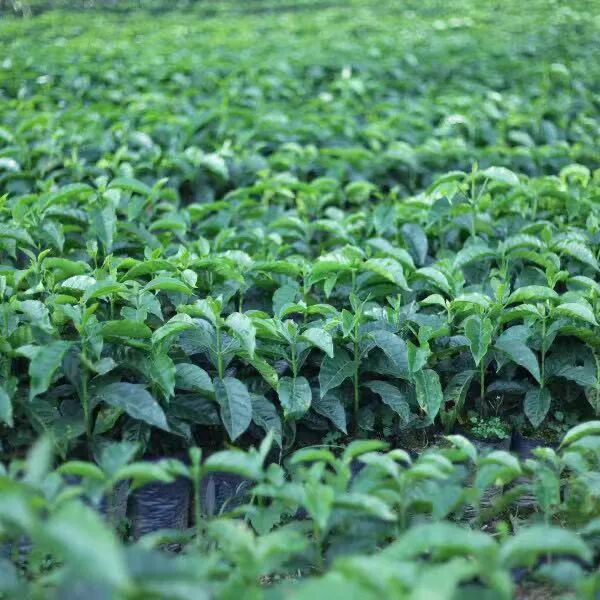
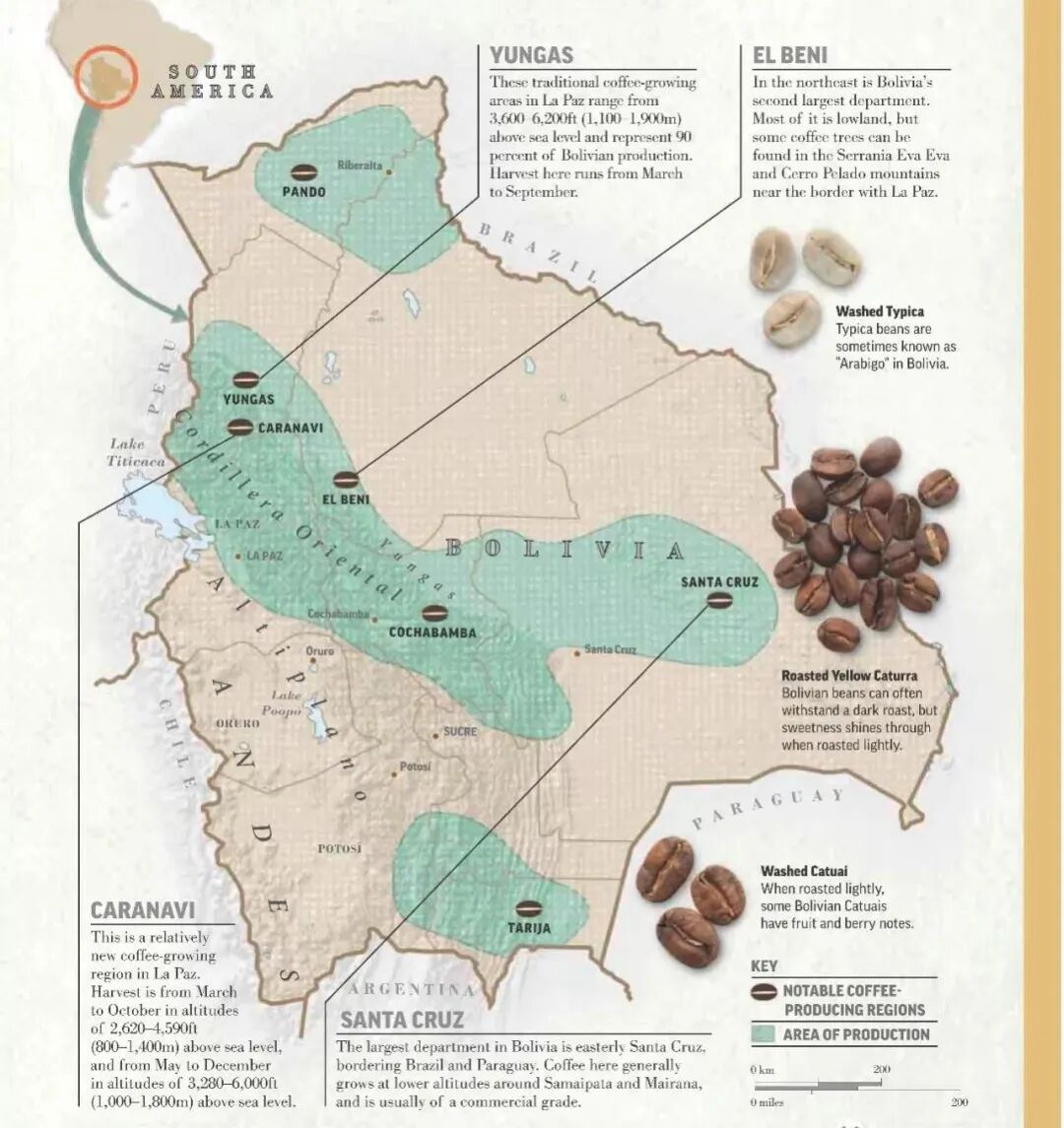
Currently, Bolivia’s coffee is mainly produced in the Yungas region, which boasts the country’s oldest and highest-altitude coffee-growing areas, with elevations ranging between 800 and 2,300 meters. The harvest season runs from July to November each year, and approximately 95% of the country’s coffee comes from this area. Located on the eastern side of the Andes Mountains and surrounded by dense forests, Yungas enjoys a cool and humid climate, making it highly suitable for coffee cultivation. In addition to Yungas, small amounts of coffee are also grown in Santa Cruz and Beni, but due to generally lower altitudes, the proportion of high-quality coffee is not high.
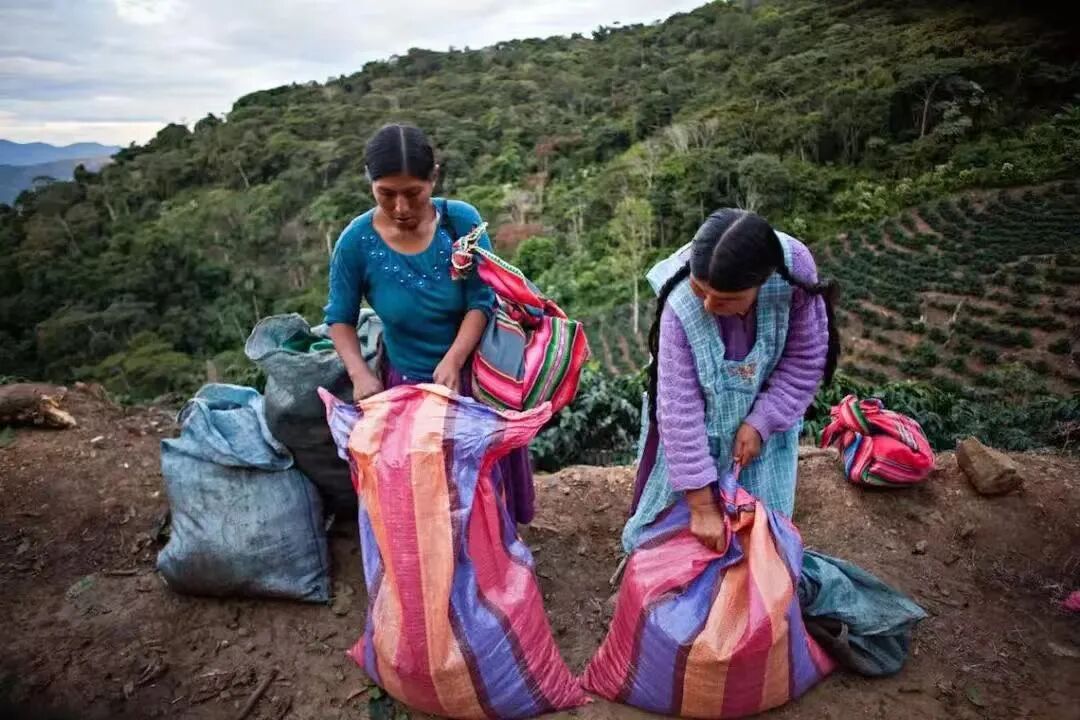
Coffee production in Bolivia is mostly carried out by small-scale family farms, with around 23,000 coffee-growing households nationwide. Each household manages land areas of approximately 1.2 to 8 hectares. Due to land reforms after 1991, the former system of large landowners has significantly diminished, and today most coffee farmers rely on small plots of land to make a living.
Champions of Specialty Coffee: The Rodriguez Family
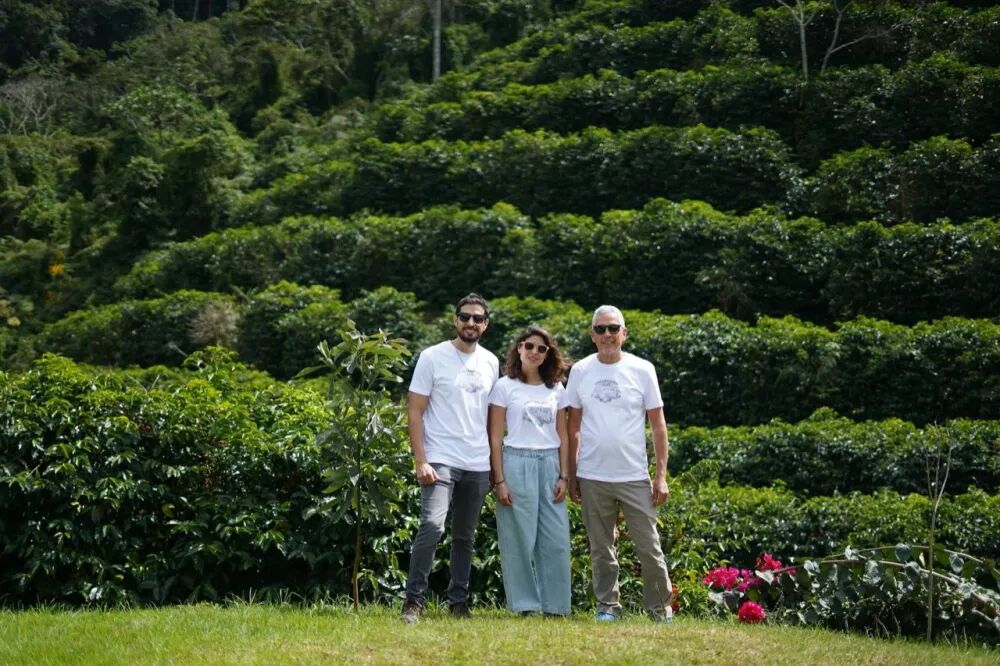
In the development of Bolivia’s specialty coffee, the Rodriguez Family has played a pivotal role. Since 1986, the family has been committed to coffee cultivation, continuously investing in establishing new farms and improving coffee quality despite policy restrictions and natural disasters. They own 12 farms, four of which are located in Santa Cruz and eight in the Caranavi region of La Paz, and have achieved an integrated operation from harvesting, processing, packaging to exporting.
In 2016, the Rodriguez Family launched the “El Sol de Mañana” (Tomorrow’s Sun) program, aimed at supporting smallholder farmers to grow high-quality coffee by providing vocational training, subsidies for premium seeds, technical guidance, and fair purchase prices. The program also includes an incentive mechanism to encourage farmers to pursue higher cupping scores, thereby elevating the overall coffee standards of the producing region.
Coffee Varieties and Distinctive Processing Methods
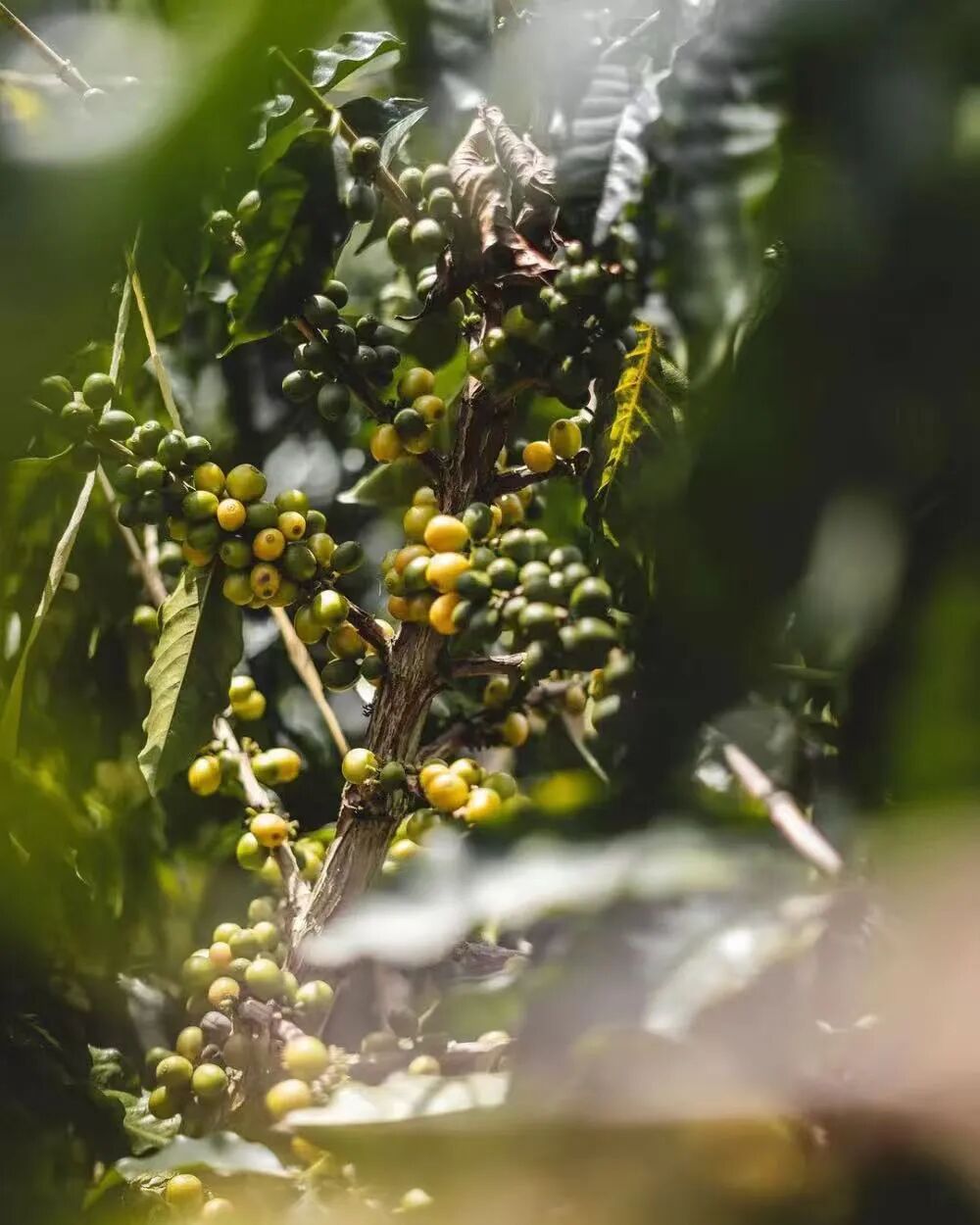
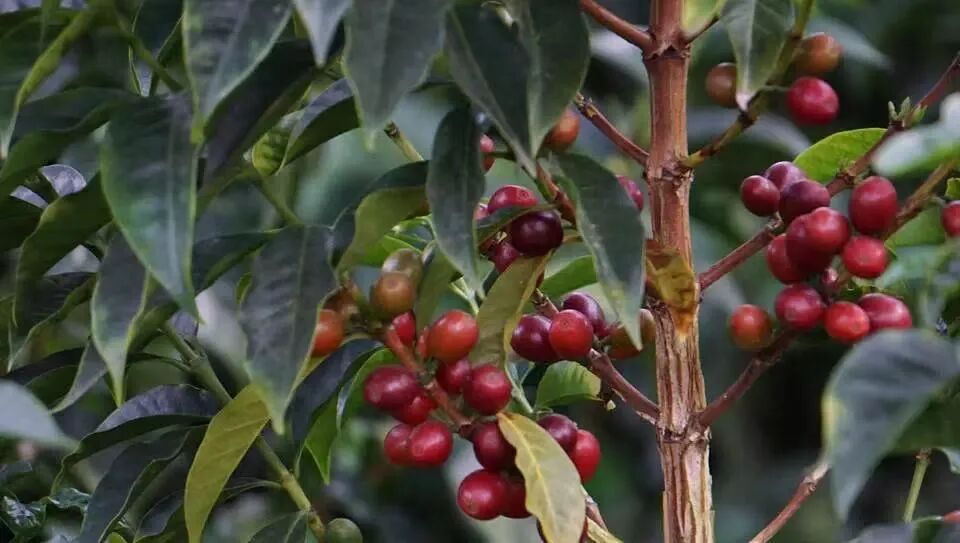
Traditionally, coffee varieties grown in Bolivia include Typica, Catuai, and Red and Yellow Caturra. However, with the rise of the specialty coffee trend, in recent years more farms have begun introducing well-known varieties such as Geisha, Pacamara, and SL28. Among them, the Bolivian Geisha grown by the Rodriguez Family originates from the world-renowned El Injerto Estate.
Additionally, a variety called “Java Nica” has also garnered significant attention. It actually originates from the Abyssinian lineage of Ethiopia and is closely related to Geisha, often referred to as its “cousin.” This variety was initially developed in Cameroon, later introduced to Costa Rica via CIRAD, and then spread to Central and South America. The Rodriguez Family successfully cultivated and promoted this variety in Bolivia, with one of its offerings, the “Cocoa Natural Java,” showcasing intense fruity aromas and sweetness.
Innovative Processing Method: The Cocoa Natural Experiment
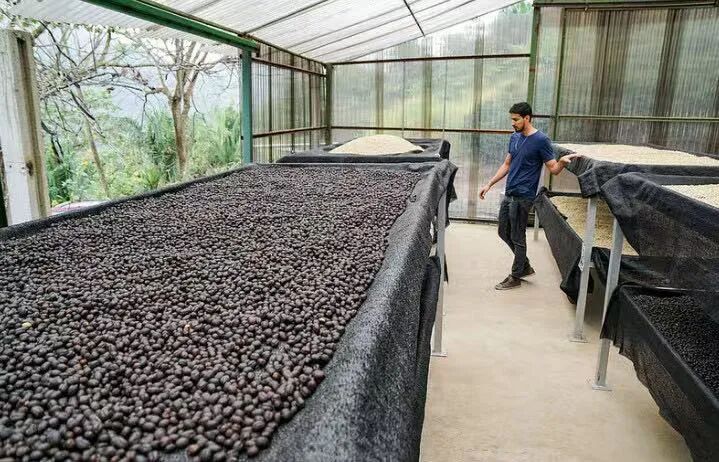
In terms of coffee processing, most smallholder farmers in Bolivia still primarily use traditional washed methods. However, some larger farms, such as those owned by the Rodriguez Family, actively experiment with special techniques like natural sun-drying, honey processing, and anaerobic fermentation. Among these, the “Cocoa Natural” processing method is one of their innovations. This method involves natural drying on African raised beds, using a cocoa dryer to slowly dry the coffee beans in a low-temperature environment (not exceeding 40°C), reducing the impact of weather on the drying process and thus preserving more fruity and sweet notes.
Brewing Recommendations and Flavor Profile
If you have a light-roasted Java coffee bean from Bolivia, it is recommended to use a slightly higher water temperature and finer grind size to fully extract its rich aromas and juicy character. For example, some recommend using a water temperature of 92°C, paired with an Ek43 grinder at setting 10 or a C40 burr grinder at settings 24–26, employing a three-stage extraction method to achieve the best flavor balance in a V60 dripper.
In terms of flavor, this coffee often exhibits layers of grape, citrus, honey, nuts, and cream. The acidity is bright yet not overly sharp, with a lingering finish that hints at mild cocoa and floral notes. It is well-suited for coffee enthusiasts who enjoy a balanced profile of fruitiness and sweetness.
Conclusion
Although Bolivian coffee is produced in limited quantities, its high-altitude cultivation environment and increasingly refined specialty coffee craftsmanship create a uniquely captivating flavor profile. From the efforts of the Rodriguez Family to the application of innovative processing methods, the story of coffee from this highland land is one that every coffee lover should explore in depth. If you’re looking to try a different coffee experience, consider seeking out a specialty coffee bean from Bolivia and personally experiencing its delicacy and depth.





The above content is compiled by CoffeeHunters, a coffee news website.

