







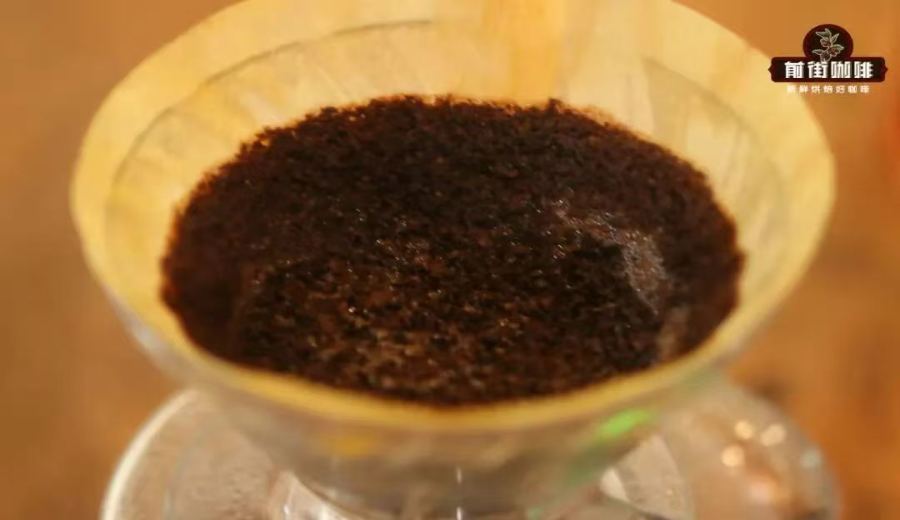
Introduction:In coffee shops, although pour-over coffee may not always have the highest sales volume, it is key to showcasing professionalism and attracting enthusiasts. How can you put together a pour-over coffee bean menu that balances variety and appeal? This article will recommend practical bean options from three directions—floral and fruity, mellow and low-acid, and specialty or advanced—to help shops create a layered pour-over lineup that meets both mainstream and advanced customer needs, while also enhancing the overall drinking experience and average spending per customer.
Compared to popular espresso-based drinks, pour-over coffee may not dominate in sales volume in many coffee shops, but its value lies in demonstrating the shop’s understanding of coffee, attracting true coffee aficionados, and even boosting the overall average spending per customer. To build an attractive pour-over bean selection, the focus should be on "variety" and "layering," so that customers with different preferences can find their ideal cup.
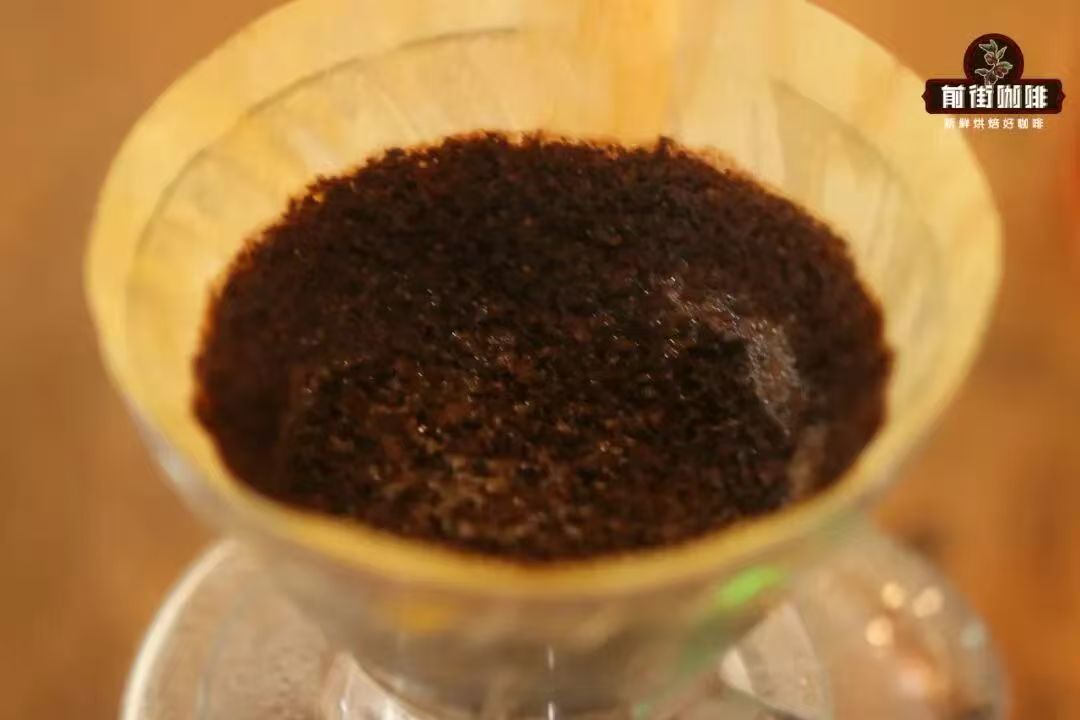
An ideal pour-over coffee bean menu is recommended to be configured from three main directions: first, the bright and refreshing floral and fruity category, suitable for customers trying pour-over for the first time; second, the smooth and mellow low-acid category, offering a reassuring everyday choice; and finally, unique or advanced-processed beans that bring distinctive flavors, creating talking points and memorable experiences to attract adventurous coffee lovers.
Within the floral and fruity category, it is recommended to choose beans with bright acidity and prominent fruit aromas, allowing customers to immediately experience the juiciness and vibrancy of the coffee. For example, options with citrus, berries, and soft floral notes often become favorites among beginners. These beans usually have rich flavor layers and a gentle tea-like aftertaste, making them suitable for consumers who prefer a refreshing taste.
If you want to offer more popular classic choices, consider beans with distinct tropical fruit flavors, outstanding sweetness, and extremely low bitterness or astringency—some are even described as “not tasting like traditional coffee at all,” making them perfect for beginner tastings. Additionally, there are options with lively acidity, such as beans reminiscent of cherry tomatoes or dark plums, bringing surprises to those who enjoy acidic profiles.
As for the mellow and non-acidic category, it serves as the reassuring anchor in a pour-over lineup. These beans typically have low acidity, a rounded mouthfeel, and comforting warm flavors such as nuts, cocoa, or caramel, suiting the daily drinking habits of most people. Dark or medium-dark roasted options often bring complex layers of dark chocolate, spices, or herbs, along with a long-lasting aftertaste, satisfying customers seeking a stable flavor profile.
For this flavor type, it is recommended to select beans with a full body, smooth mouthfeel, and no astringency. Whether from South American or Southeast Asian origins, they can provide different experiences of mellow richness. Some options are even regarded as “high-value alternatives to Blue Mountain,” winning favor among customers who prefer low-acid flavors with clean, pure taste and moderate sweetness.
If you want to add depth and conversation pieces to your pour-over lineup, don’t overlook the specialty or advanced category. These beans may come from unique origins or feature special processing methods, such as anaerobic fermentation or honey processing, delivering complex flavors like intense fruit, floral, or even wine notes. These selections not only attract advanced enthusiasts but can also serve as the shop’s “signature pour-over,” elevating brand image.
For example, beans from international competition champions or highly recognized items with unique floral and fruity profiles often become star products in the shop. Such beans usually feature a transparent and clean taste with a long-lasting aftertaste, making them ideal as premium options or boutique recommendations.
For coffee shops of different sizes, the recommended bean menu configurations also vary. For small storefronts or newly established shops, a streamlined selection of 3 to 4 beans is advisable—for instance, one entry-level floral and fruity bean, one mellow and stable everyday option, plus one each of an advanced floral and fruity bean and a specialty advanced bean, which can meet the needs of most customers.
Medium to large coffee shops can expand further to 6 to 8 beans, covering different origins, processing methods, and roast levels, ensuring customers have something new to try on each visit. Through careful planning and regular rotation, not only can customer return rates be improved, but the shop’s dedication to coffee quality and selection can also be demonstrated, thereby increasing overall revenue and brand loyalty.
In summary, the value of pour-over coffee lies not just in the sale of a single beverage, but in whether it can showcase the shop’s understanding and appreciation of the beans. A well-designed pour-over bean selection allows every customer to find a flavor they love and encourages them to return again and again, driven by trust and anticipation for more possibilities.
The above content is compiled by CoffeeHunters, a coffee news website.


