







Introduction:Do you often shy away from coffee because of its acidity? In fact, by choosing the right bean variety and roast style, you can avoid overly sharp sourness and enjoy a smooth, rich coffee experience. This article compiles several classic coffee beans with low acidity and balanced flavor, including Indonesian Mandheling, Brazilian Queen, and Jamaican Blue Mountain. We also analyze their processing methods, roast levels, and recommended brewing styles, helping you make more confident choices from bean selection to tasting.
Many people are first put off by coffee due to its pronounced fruity acidity. They hope for an energizing cup, only to be discouraged by the overpowering sour notes. However, mastering key bean selection criteria means "non-acidic" is absolutely achievable. Especially for those who prefer dark roasts and full-bodied flavors, you can find your ideal smooth option among these classic beans.
When shopping for “non-acidic coffee beans,” it’s recommended to focus on two main directions:Dark RoastandFull-bodied Flavor Profiles.Dark roasting reduces acidity and enhances the balance of bitterness and sweetness, while full-bodied beans typically come from specific regions that naturally exhibit less prominent acidity. The following market-favored and flavor-stable beans are all safe bets for acid-sensitive coffee drinkers.
First up is “Golden Mandheling” from Sumatra, Indonesia. This classic dark roast bean is renowned for its wet-hulled processing method, delivering unique herbal and earthy notes. After dark roasting, the acidity nearly disappears, giving way to intense dark chocolate and herbal aromas, with a hint of earthiness in the aftertaste—offering a richly layered profile. Ideal for those who enjoy bold flavors without sour or astringent stimulation, it's especially recommended for pour over or French press lovers.
If you’re looking for a versatile everyday “staple bean,” the “Brazilian Queen Estate” is definitely a top contender. Grown in the Cerrado region, this bean features nutty and cocoa notes with naturally low acidity. When roasted to medium-dark levels, it develops a notable caramel sweetness. It performs consistently whether brewed via pour over, moka pot, or espresso, with rich crema and an affordable price—perfect for daily enjoyment.
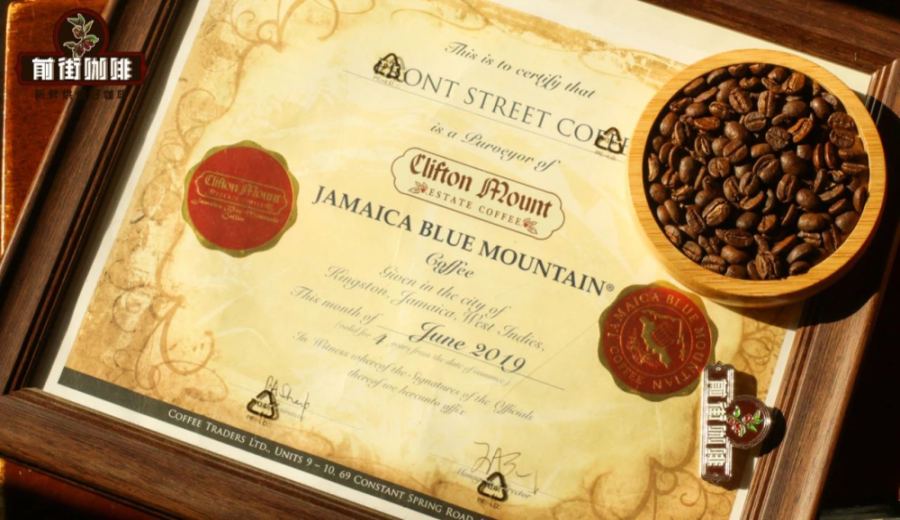
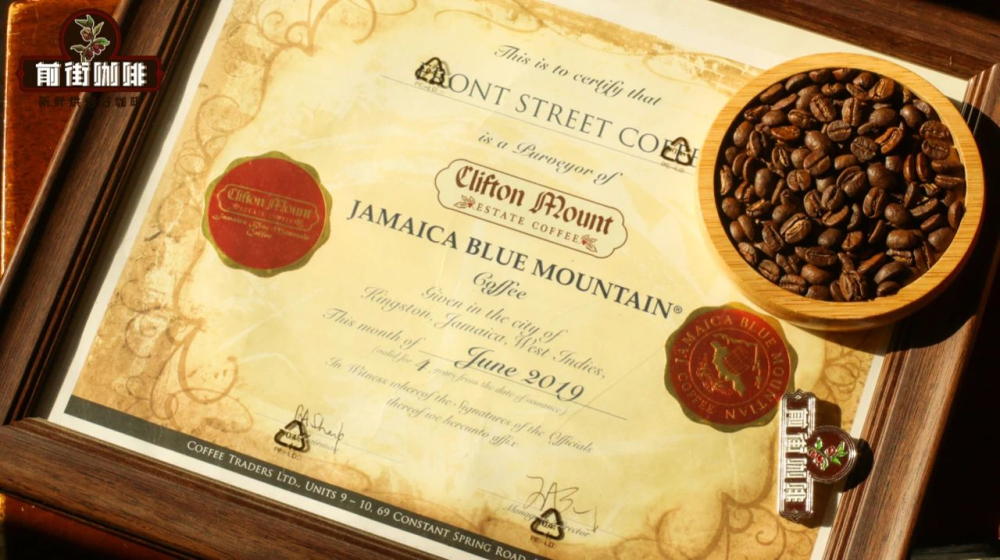
When mentioning classics, one cannot overlook “Jamaican Blue Mountain Coffee.” This high-altitude Typica variety is famed for its exceptional balance of acidity, sweetness, bitterness, and aroma. Blue Mountain coffee isn’t entirely devoid of acidity, but its acidity is soft, harmonizing with sweetness, nuttiness, and chocolatey notes. The overall mouthfeel is round and smooth, with a clean and lingering finish. Blue Mountain coffee comes with strict regional certification, ensuring stable quality—it’s the ultimate choice for those seeking balanced flavor.
Domestic coffee has also gained attention in recent years, with “Yunnan Natural Sun-Dried Typica” being one standout. Roasted to medium-dark levels, it highlights citrus and caramel aromas, complemented by nutty and brown sugar tones. The acidity is moderate but well-balanced, making it suitable for consumers wanting to try local coffee without worrying about overly sharp sourness. This bean lets you experience the unique terroir of Yunnan and is a great entry-level single-origin option.
Another noteworthy hidden gem is “Bird of Paradise” from Papua New Guinea. Grown at altitudes of 1600 to 1800 meters in volcanic soil regions, it uses the same Typica variety as Blue Mountain and undergoes a triple-washed fermentation process. This AA-grade bean boasts prominent sweetness with extremely low acidity, and a clean, pure mouthfeel. It’s often praised by enthusiasts as the “Little Blue Mountain.” Ideal for those who prefer gentle, sweet aromas without too much flavor intensity.
In summary, disliking acidity doesn’t mean you can’t enjoy the wonders of coffee. By avoiding light roasts and extremely acidic styles, and instead opting for dark roasts and full-bodied profiles, you can easily savor smooth and layered coffee. Whether you’re just starting out or already have some experience, the beans mentioned above are time- and market-tested recommendations. Feel free to pick one and discover the delightful surprise that “non-acidic coffee can be this captivating.”
The above content is compiled by CoffeeHunters, a coffee news website.

