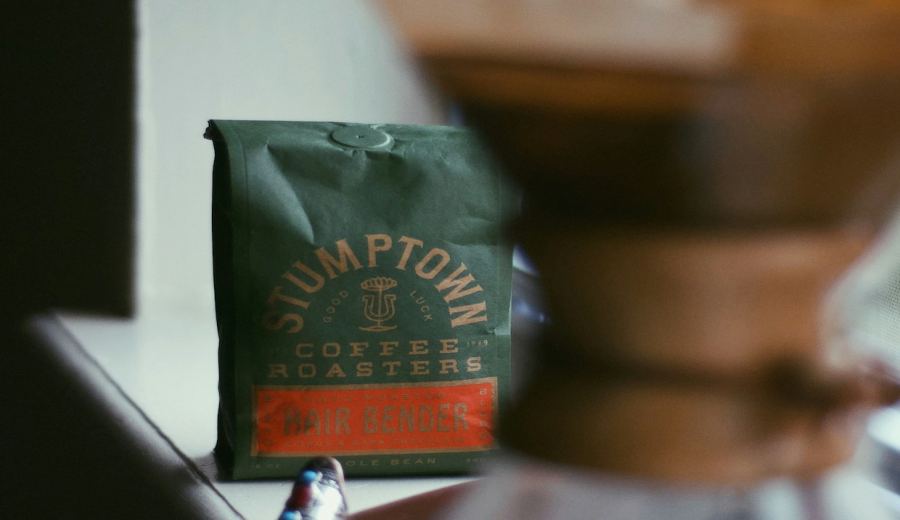
Introduction:After JDE Peet’s was acquired by Keurig Dr Pepper for $18 billion, Stumptown Coffee Roasters underwent significant personnel changes. President Laura Szeliga announced her departure, marking the end of her nearly three-year leadership at this Portland-based roaster, which was founded in 1999 and is known for its direct trade practices. This article delves into the brand’s strategic adjustments from independent operation to post-acquisition, as well as the legacy of specialty coffee culture that Szeliga leaves behind, offering key insights for readers interested in the coffee supply chain and the third wave specialty coffee movement.
Just two months after JDE Peet’s officially became part of Keurig Dr Pepper (KDP), Stumptown Coffee Roasters announced a major personnel shift: Laura Szeliga, who had served as the brand’s president for nearly three years, would be stepping down. The executive, who had led the renowned Portland roaster since December 2020, left at a time when Stumptown was undergoing strategic adjustments following its acquisition by Peet’s Coffee & Tea in 2015 and the latest $18 billion buyout.
In a LinkedIn post reflecting on her tenure, the seasoned coffee industry veteran Szeliga highlighted her expansion of Stumptown’s national wholesale network — which, according to her, now serves “over 1,000 locations,” ranging from specialty cafés to high-end dining venues.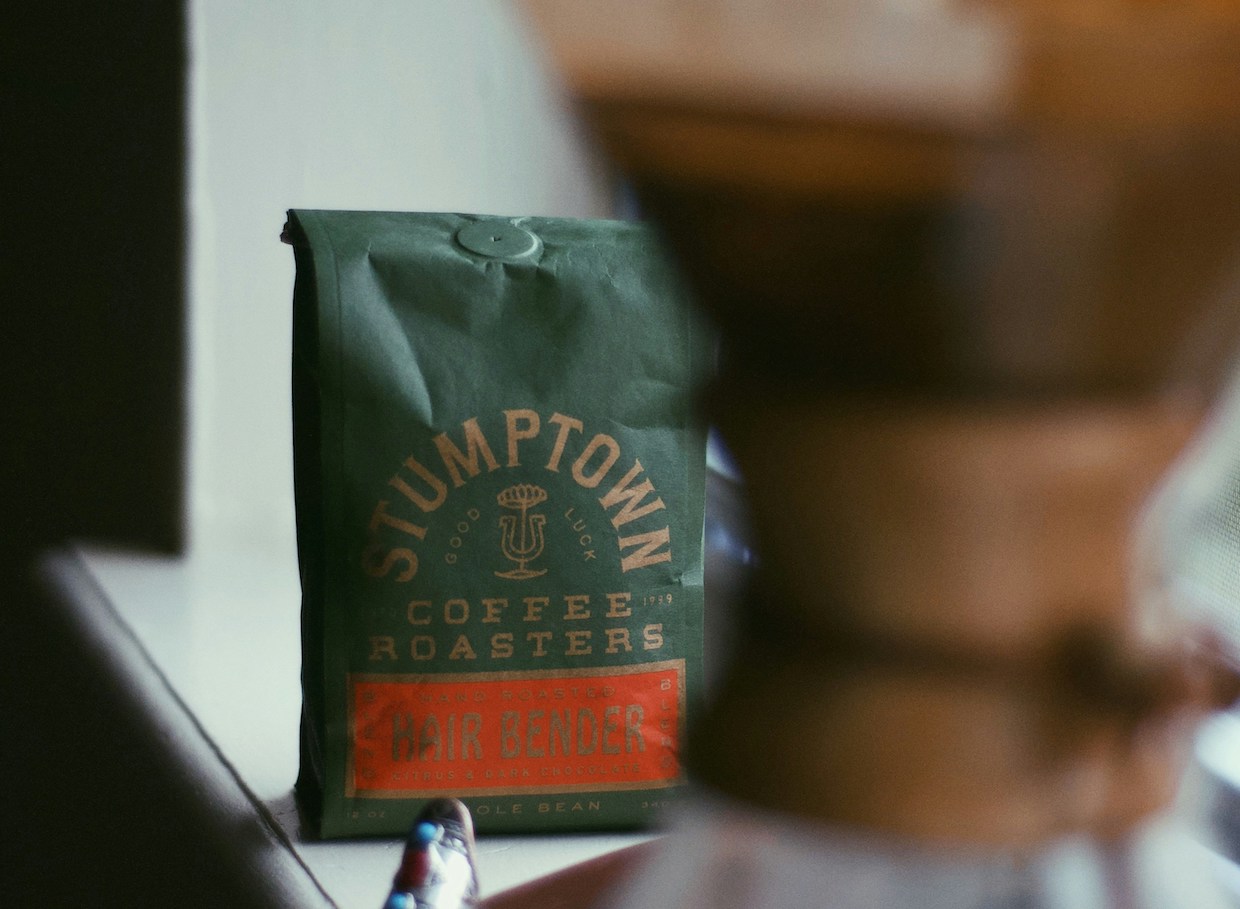 These partner clients are mostly benchmark enterprises across various sectors, and through rigorous screening and professional training by her team, they have become important touchpoints for extending the brand experience.
Looking back at the brand’s history, Stumptown was founded in Portland in 1999 and quickly gained a reputation for its direct trade sourcing model, establishing long-term relationships with coffee producers by going deep into producing regions. In her statement, Szeliga specifically emphasized this core value: “We understand the story of each coffee farmer — their families, communities, and the commitment to quality, and these details form the soul of third wave specialty coffee.” She believes that the Stumptown team’s meticulous control over flavor extraction parameters (such as recommending a pour over water temperature of 90–93°C and a coffee-to-water ratio of 1:15–1:17), along with their passionate customer service, together maintained the brand’s unique culture.
Regarding her reasons for leaving, Szeliga expressed her gratitude to the team and partners in an emotional tone, emphasizing that “continuing to preserve the very special culture of Stumptown” was her main focus. She expressed particular appreciation for the trust of former leaders Shawn Conway and Eric Lauterbach, calling the job “a dream opportunity.”
Industry observers note that this round of executive changes at Stumptown reflects the typical challenges faced by acquired brands: how to maintain the artisan spirit of specialty coffee while scaling up. The wholesale network and direct trade expertise left by Szeliga have become core assets of the brand, and the partnerships with “over 1,000 locations” are key to maintaining its market position in the future.
For readers interested in the coffee supply chain, this case provides important insights: from an independent roaster to becoming part of an international group, how Stumptown balances preserving flavor characteristics (such as its commitment to seasonal offerings of single-origin beans) with adapting to commercial scale will be a key point of observation. And the “commitment to shared values” emphasized by Szeliga may well be the fundamental reason why the third wave specialty coffee movement can continue to influence the market.
The above content is compiled by CoffeeHunters, a coffee news website.