







Introduction:In recent years, SOE (Single Origin Espresso) has gradually become a focal point of interest among coffee enthusiasts. What exactly is the difference between SOE and traditional blends? Which one suits your taste better? This article delves into the origins, market trends, and flavor characteristics of SOE, and provides practical home brewing parameters and purchasing advice to help you better understand this distinctly flavored type of coffee.
In recent years, more and more coffee shops have started offering SOE (Single Origin Espresso), and it’s common for customers to ask upon entering, “Do you have SOE?” So why has SOE become so popular? And what’s the difference between it and regular blends? Let’s explore the roots behind this trend.
SOE stands for Single Origin Espresso — an espresso made using beans from a single origin. In contrast, the more common option is blended coffee beans, which are mixed from beans sourced from different regions based on specific needs. While the definition may seem simple, the rise of the term SOE represents not just a technical change, but also a shift in consumer trends and market segmentation.
In the past, the coffee market was predominantly focused on blends, especially in the espresso segment, where blends were favored for their stable flavors and rich profiles. However, with the promotion of specialty coffee concepts and growing consumer interest in flavor complexity, the idea of single-origin coffee has extended from the pour over scene into espresso — giving rise to SOE.
It’s important to note that SOE is not simply about using single-origin beans meant for pour over to make espresso. Typically, these beans are roasted with profiles adjusted specifically for espresso machines, in order to bring out flavors that are better suited for espresso extraction.This is also why some consumers who try making espresso at home using pour-over grade single-origin beans often encounter issues like improper extraction or imbalanced flavors.
Looking back at the original intention behind single-origin coffee, it was to help consumers better understand the characteristics and flavor profiles of coffee from specific origins, thereby improving overall coffee quality. Single-origin coffee emphasizes “origin-specific” beans, and through careful selection, highlights unique regional traits such as floral, citrus, caramel, or nutty notes.
In contrast, blends are created by roasters who mix beans from various regions in specific proportions, usually aiming to achieve balanced flavors, consistent body, or cost control. For example, to produce an espresso with a thick crema and chocolatey flavor, many shops mix Indonesian Mandheling, Brazilian Cerrado, and Vietnamese washed beans to create a formula that appeals to a broad audience.
According to relevant market research, the primary motivations for Chinese consumers drinking coffee are, in order: staying alert, enjoying the flavor of coffee, and experiencing café ambiance — with functional needs still taking the lead. This explains why espresso-based drinks remain mainstream in the market, especially in busy urban environments where rich and full-bodied coffee is preferred.
However, traditional espresso often carries the impression of being bitter or overly roasted, usually due to very dark roasts and the use of large amounts of Robusta beans. This stereotype can create a sense of distance for many consumers toward espresso or blends. The emergence of SOE offers an alternative — showcasing clearer and more layered flavor profiles through high-quality beans from a single origin.
Take Australia as an example: many specialty coffee shops operate multiple espresso grinders, using different beans for different drinks. Americanos and lattes might use blended beans to ensure consistent flavor, while flavor-focused options like Flat Whites opt for SOE, allowing customers to experience more distinct origin characteristics. This approach not only enhances the depth of the drinks but also gradually shifts consumer perceptions of espresso.
For coffee shops, adopting SOE not only helps elevate brand image, but also allows customers to experience different coffee flavors without significantly altering existing operations. Especially for small independent cafés, having a distinctive SOE can be a key factor in customer retention.
For consumers, the appeal of SOE lies in its unique flavor. Even without knowing the story behind the origin, just tasting an espresso that’s bright, layered, and different from previous experiences can leave a strong impression. And when you know that this cup is made from a single-origin SOE, it adds even more enjoyment and a sense of connection.
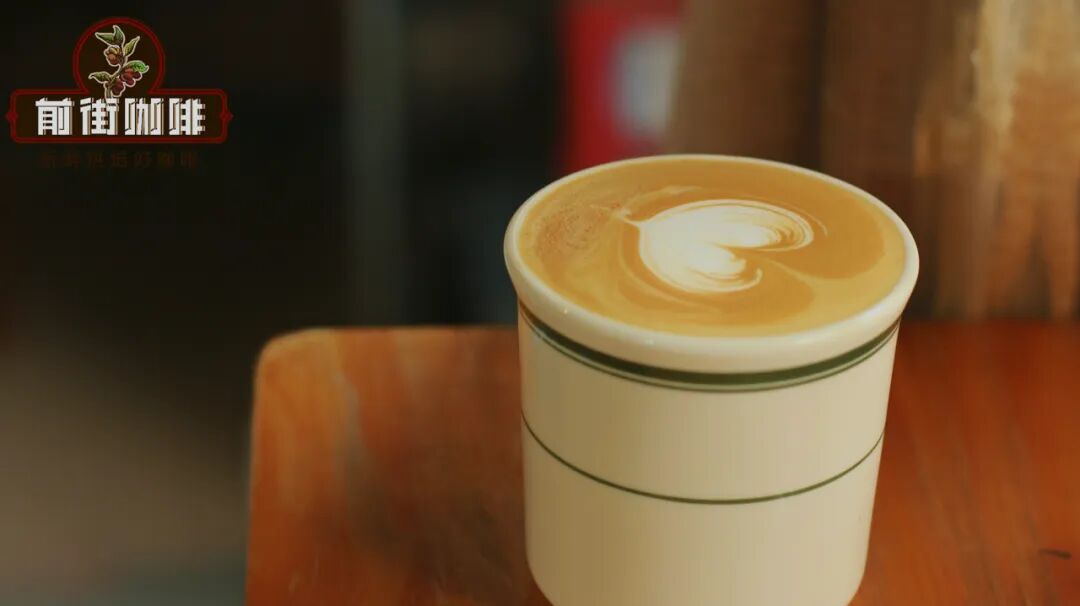
Additionally, many coffee shops now adopt a strategy of charging a premium for upgrading to SOE, which psychologically reinforces the impression of SOE as being of “higher quality,” further driving its popularity in the market.
However, it’s worth noting that not all single-origin beans are suitable for making SOE espresso. Many consumers mistakenly believe that buying highly rated single-origin beans is enough to replicate the SOE flavors they enjoy in cafés, only to find issues like poor extraction, overly sour tastes, or extreme under-extraction at home.
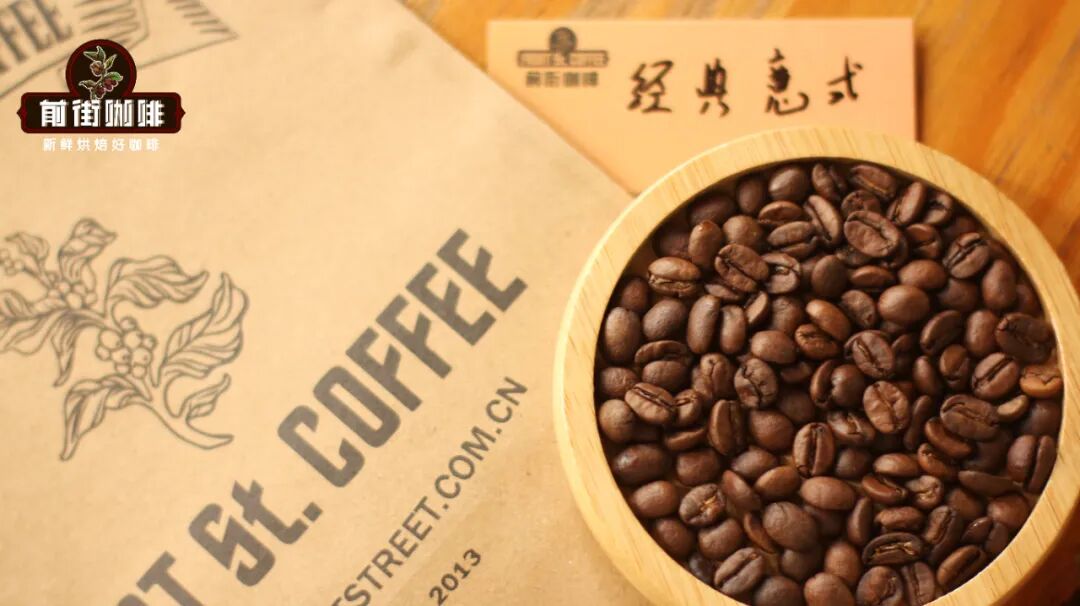
In reality, SOE beans are usually roasted with specially adjusted profiles to meet the high-pressure extraction demands of espresso machines. These beans are typically medium to medium-dark roasted, capable of delivering sweetness, balanced acidity, and a rich crema under pressure. Using light-roast single-origin beans designed for pour over can easily lead to extraction failure, resulting in spraying, excessive acidity, or thin flavors.
Therefore, when selecting SOE beans, it’s recommended to pay special attention to whether the product description indicates suitability for “espresso extraction” or “SOE-specific roasting.” In addition, understanding basic brewing parameters is key to successfully making SOE at home.
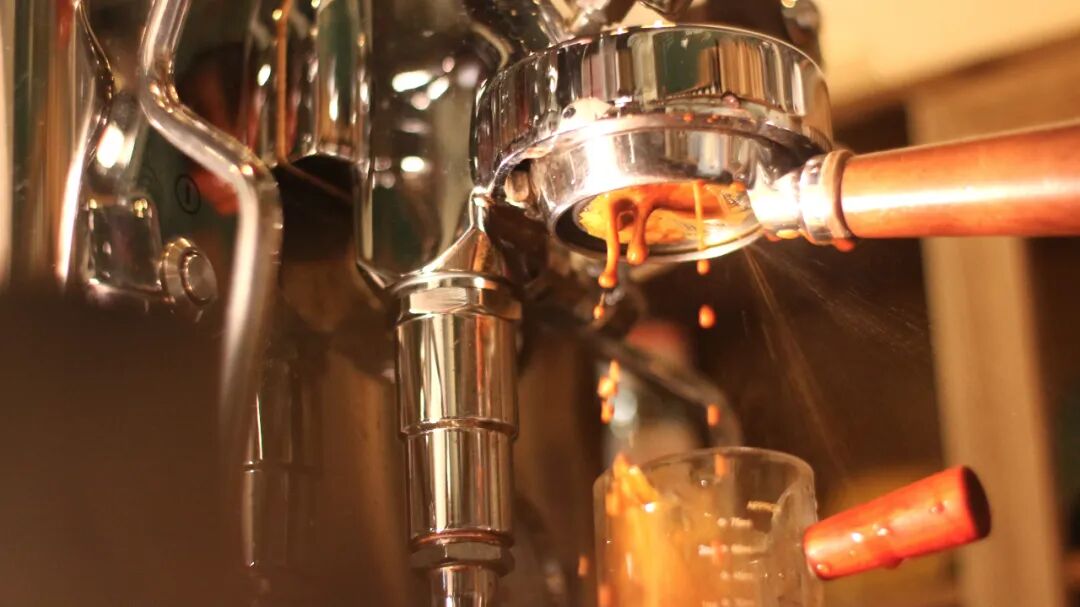
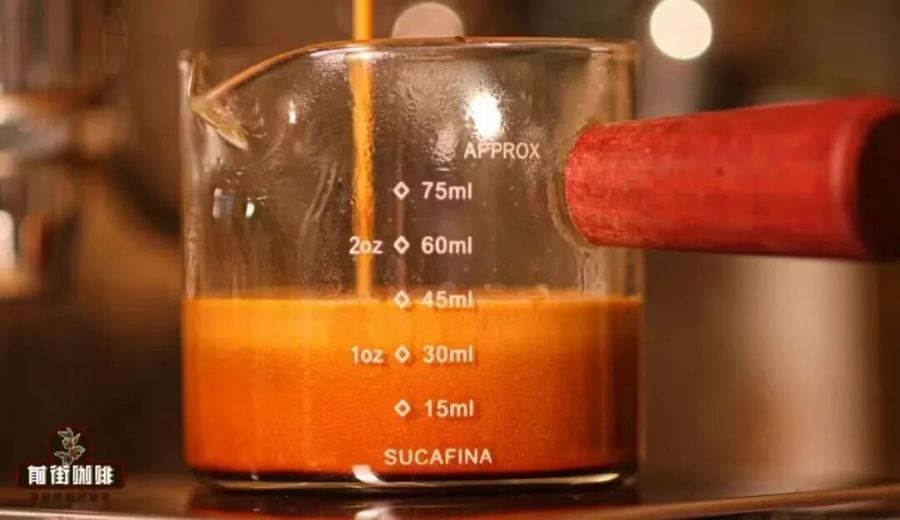
Below is a set of practical reference data for brewing SOE espresso, using a common double-shot basket (approximately 18–20g capacity) as an example:
- Coffee beans:SOE Hua Kui beans (or other SOE-specific beans) from a well-known roasting brand
- Amount of coffee grounds:20 grams
- Amount of brewed coffee:40 grams
- Coffee-to-water ratio:1:2
- Brewing time:26–33 seconds
- Grind size:Approximately 2.0 (example using a Galileo grinder; adjust slightly based on your actual machine)
The generally recommended coffee-to-water ratio range is 1:1.5 to 1:2.5, with 1:2 being a common choice that balances flavor and strength. Brewing time affects flavor expression — too short (under 20 seconds) often leads to weak taste, while too long (over 35 seconds) can result in over-extraction and bitterness. In practice, 28–30 seconds is considered the ideal range by most baristas.
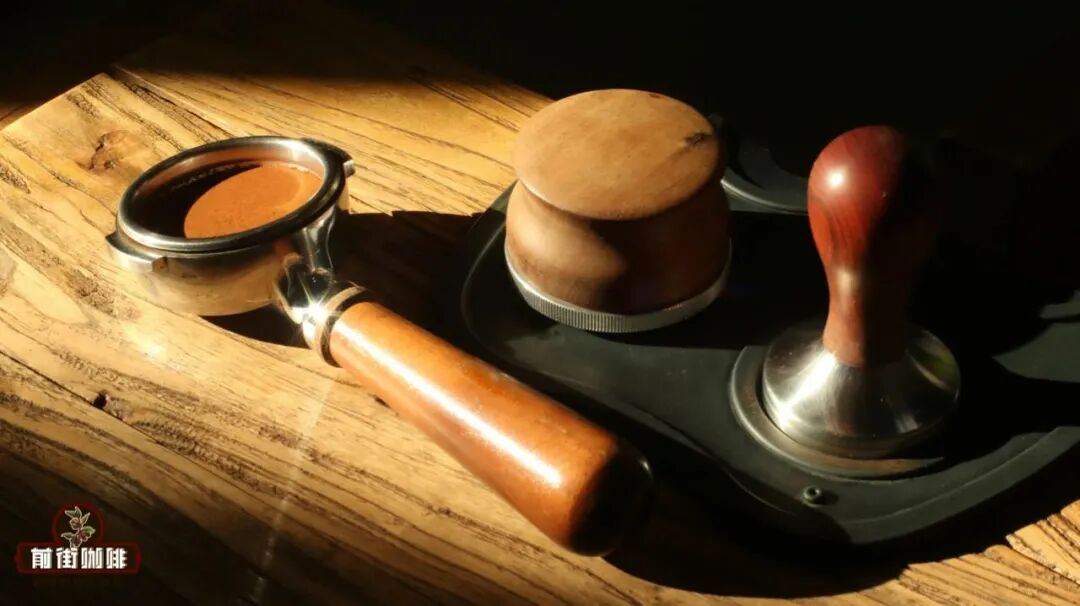
When brewing, first adjust your grinder to the appropriate fineness and pre-dry the portafilter basket. Weigh out 20 grams of coffee grounds, then use a tamper to evenly compress the grounds, ensuring a level and compact puck. Lightly place the moistened group head to remove any leftover coffee residue, then attach the portafilter and begin extraction.
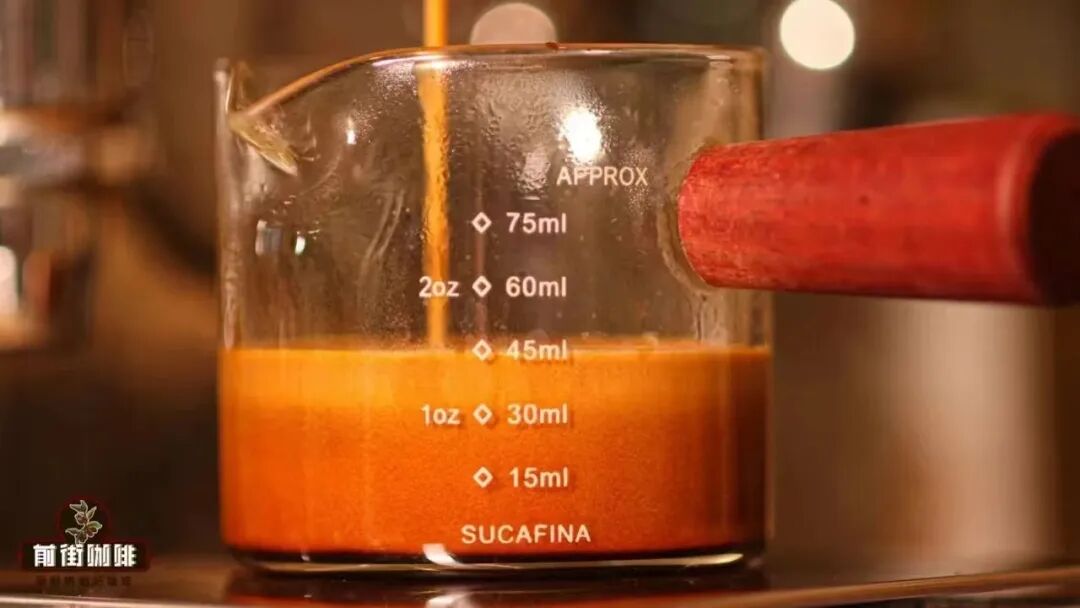
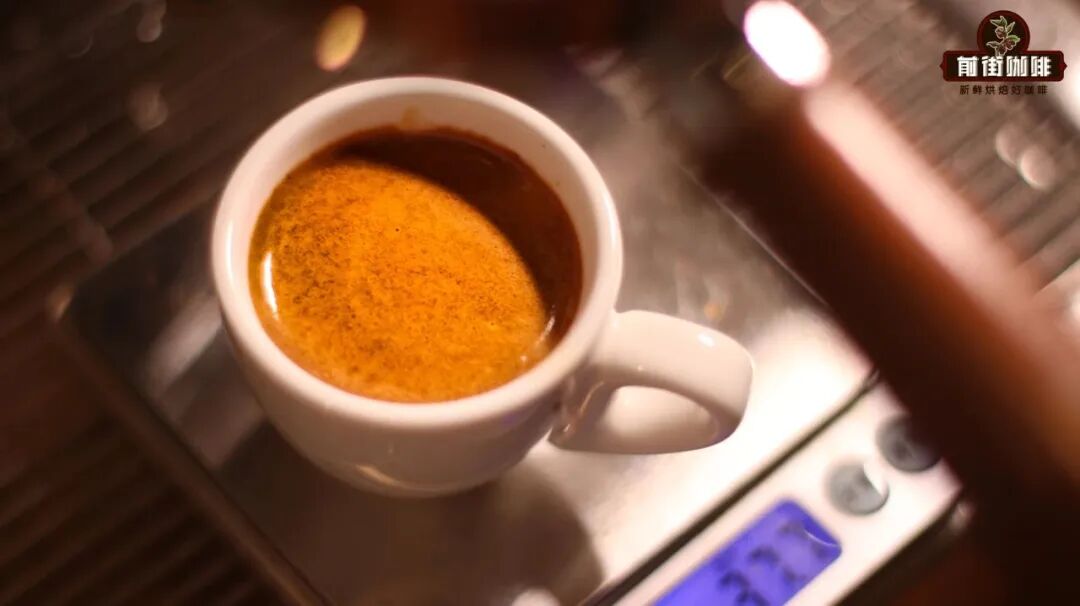
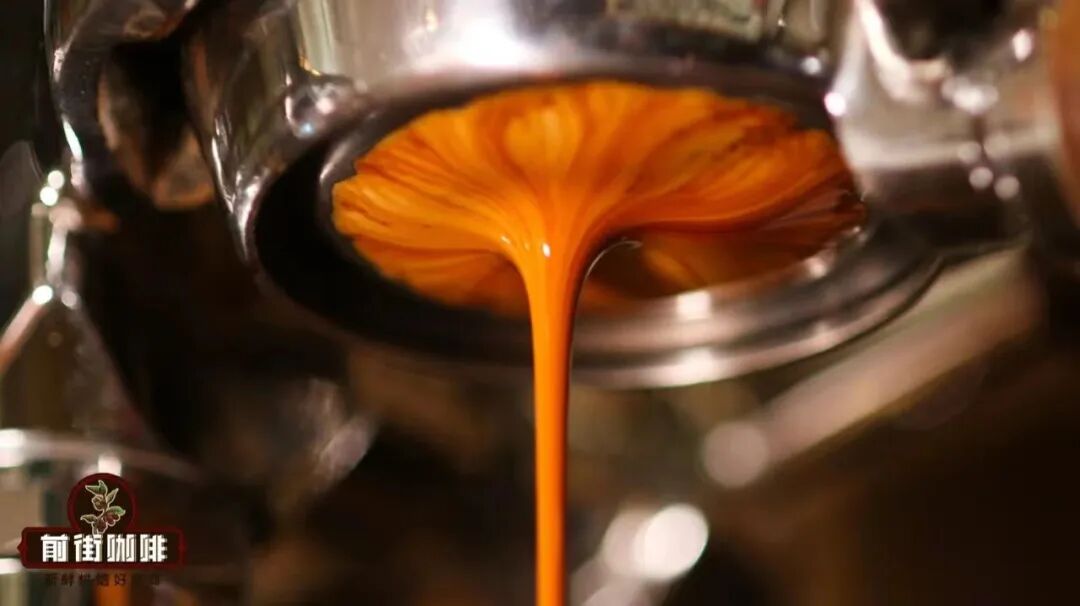
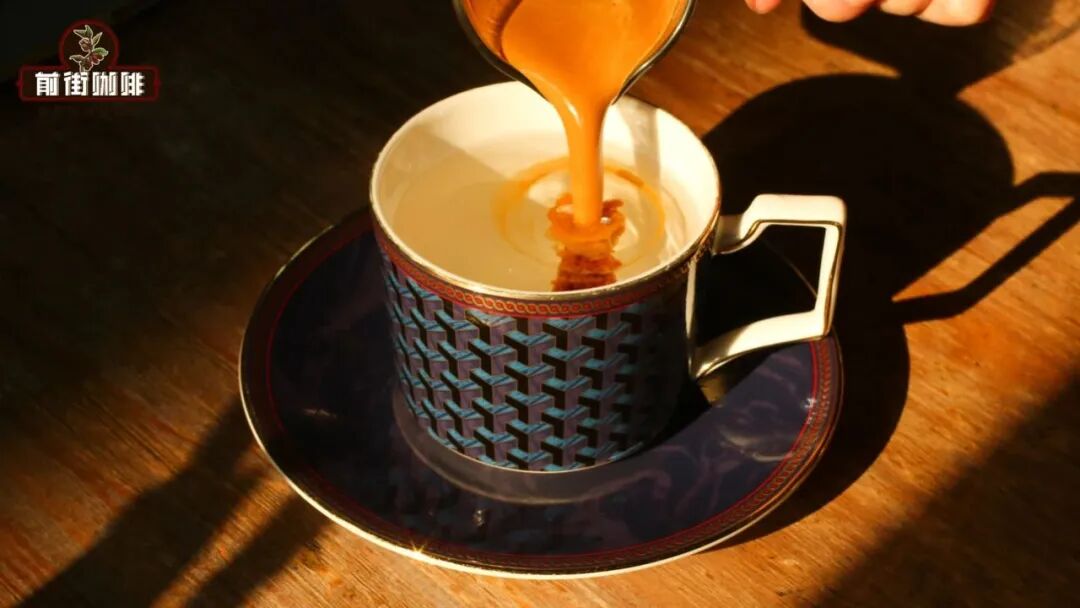
When the scale shows about 40 grams of extracted coffee and the time falls within the 26–33 second range, stop the extraction. The resulting SOE espresso can be diluted with hot water to make an americano, or combined with milk for drinks like lattes or cappuccinos.
For example, to make a Hua Kui SOE americano, simply mix the 40g of espresso with about 160g of water at around 80°C to create a distinctly flavorful coffee.
The above content is compiled by CoffeeHunters, a coffee news website.

