







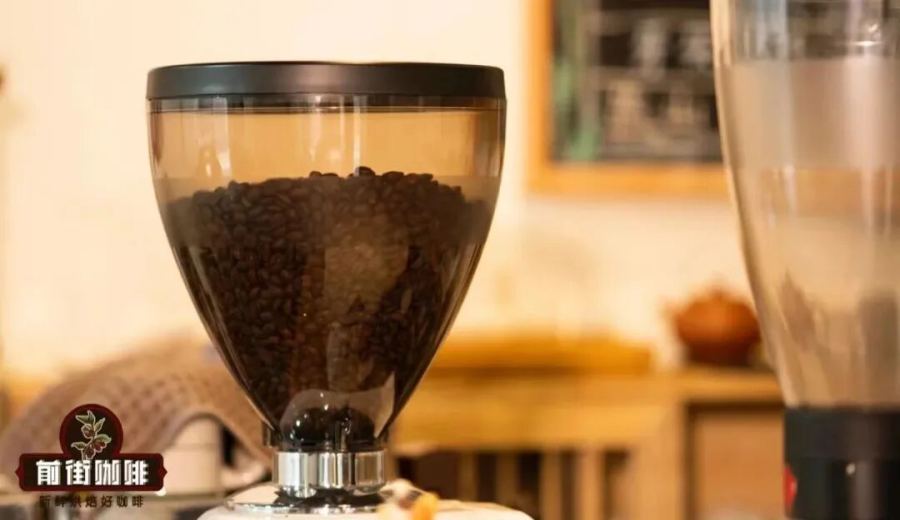
Introduction:Many coffee enthusiasts mistakenly believe that unopened coffee beans will not deteriorate, but in reality, their flavor has already quietly faded. This article delves into the freshness differences between freshly ground coffee powder and freshly roasted coffee beans, reveals the optimal enjoyment period from roasting to brewing, and provides professional-grade storage advice to help you preserve the purest flavors of coffee and elevate every brewing experience.
Many coffee lovers have had similar experiences: buying coffee beans that sit at home for months unopened, assuming they’re perfectly fine. But in truth, while unopened coffee beans won’t spoil, they gradually lose their captivating aroma and delicate flavors. This article will guide you through the differences between freshly ground coffee powder and freshly roasted coffee beans, and explore in depth the shelf life of coffee beans along with proper storage methods, ensuring every cup you drink remains in its best condition.
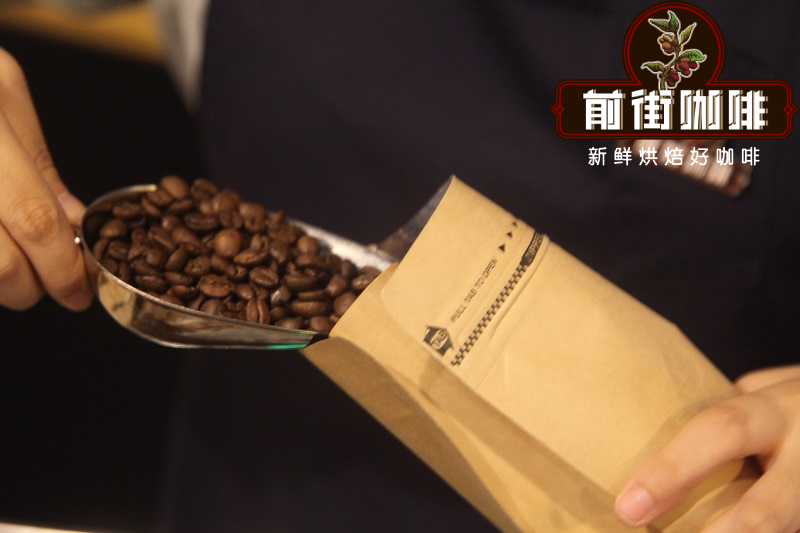
Many people assume that “freshly ground” equals freshness, but the key actually lies in the roasting time of the coffee beans. Only freshly roasted beans can release the richest aromas. The first month after roasting is when the aromatic compounds in coffee beans are most active—this is their golden period for tasting. Once ground, the surface area of coffee exposed to air increases dramatically, causing aroma to evaporate much faster and flavors to dissipate rapidly.
So, is the day of roasting the best time to enjoy the coffee? The answer is no. Freshly roasted coffee beans actually need a period of “degassing” to allow residual carbon dioxide inside to gradually release—typically 3 to 4 days of resting is recommended. During this time, the coffee’s aroma and flavor gradually stabilize, after which it enters the peak stage of flavor expression. Generally speaking, from the roast date, about 10 to 30 days is the flavor peak period, but after 50 days, the aroma of most coffee beans has noticeably weakened.
Regarding the shelf life of coffee beans, it is generally recommended to consume single-origin coffee beans within one and a half months to fully experience their layers and nuances. The industry widely considers the optimal enjoyment period of coffee beans to be around one and a half to two months, with a full shelf life of up to two to three months, though actual flavor performance will decline noticeably over time. It’s important to note that these figures can be influenced by multiple factors such as green bean quality, roast level, and storage environment.
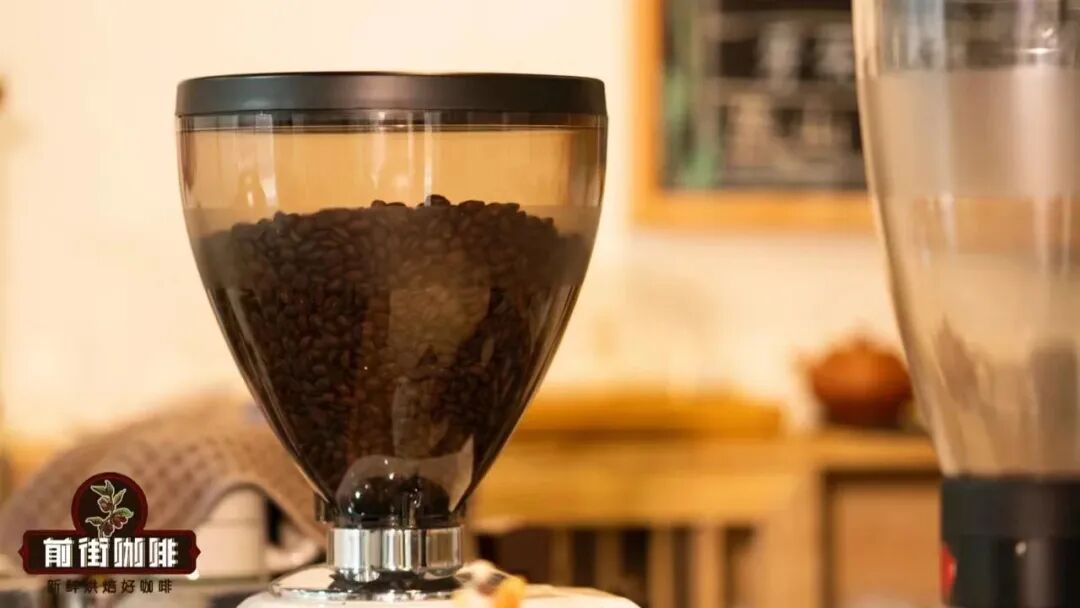
Some might think that unopened coffee beans can be stored even longer? In fact, even if unopened, there is still air inside the packaging, and aroma will still slowly dissipate. Even vacuum-sealed packaging is rarely 100% oxygen-free, and storing them in the refrigerator can cause condensation, which may also affect coffee quality. Therefore, even if unopened, it’s recommended to enjoy the beans within one and a half months for the best flavor experience. Of course, if used purely as a pick-me-up, according to food safety standards, coffee beans can be stored for up to a year, but the flavor will definitely not be as outstanding as when fresh.
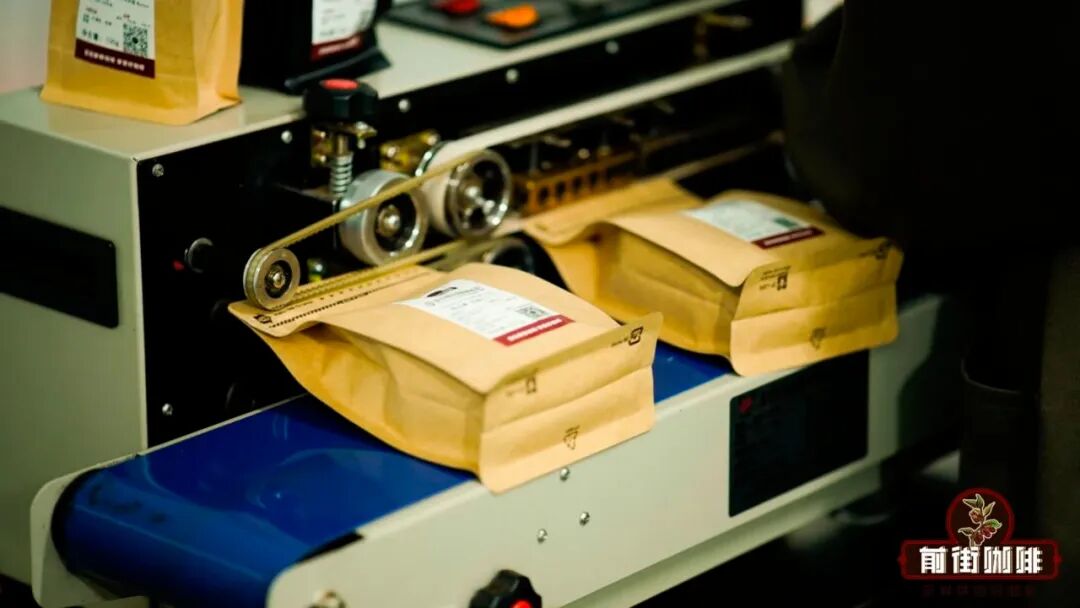
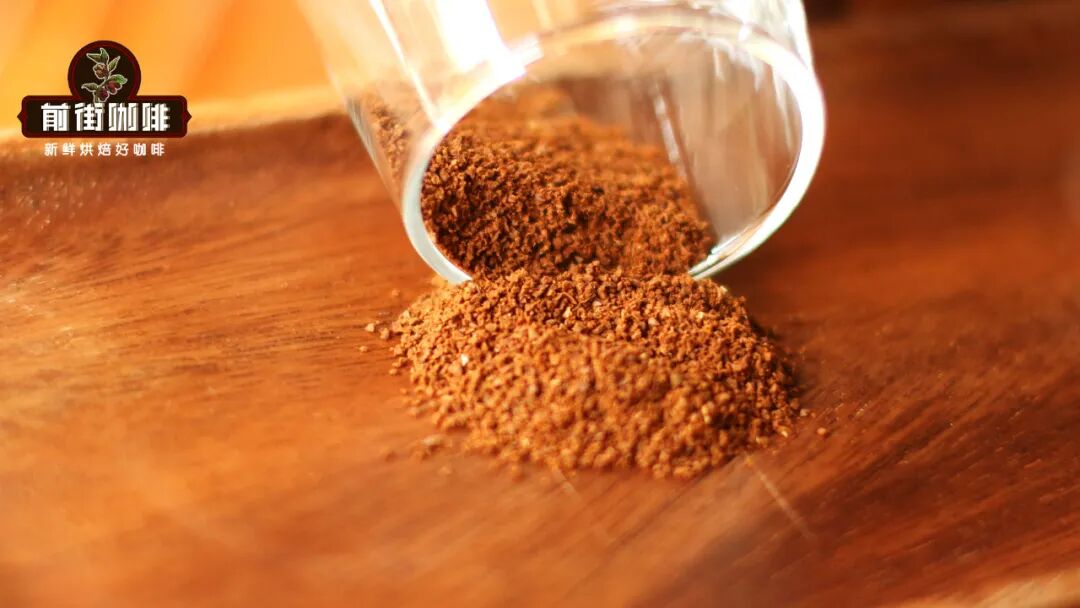
The situation becomes even more critical once coffee beans are ground into powder. Coffee powder has extremely fine particles, drastically increasing its surface area in contact with air, leading to very rapid aroma evaporation—especially in humid environments where it’s more prone to absorbing moisture and off-flavors, resulting in quick flavor degradation. Therefore, it’s recommended to grind and brew immediately. If you’ve already ground the beans, make sure to consume them within two weeks to avoid complete flavor loss.
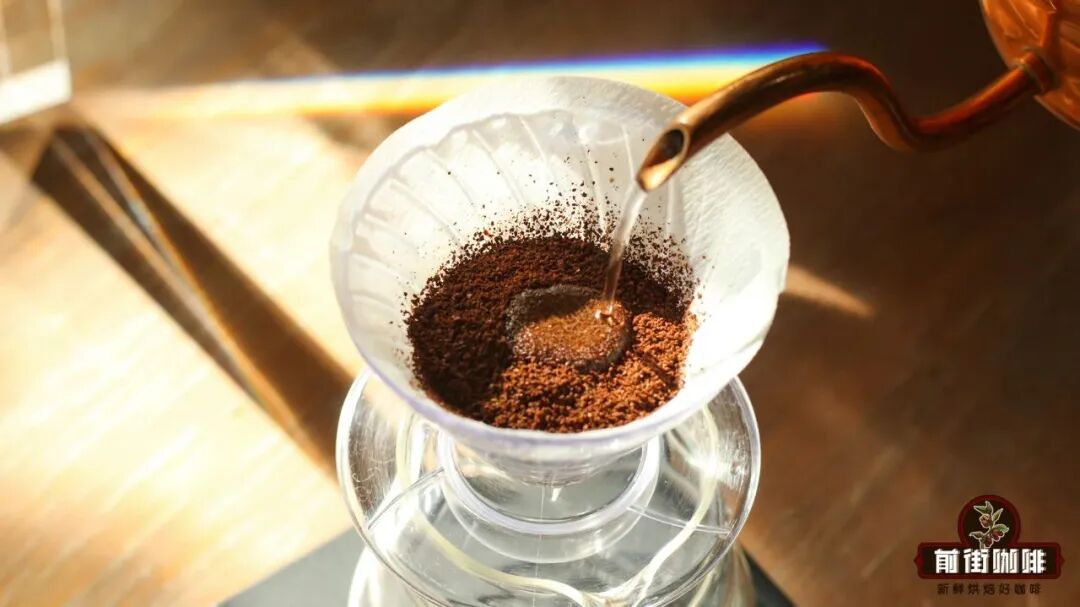
To extend the flavor lifespan of coffee beans, proper storage methods are crucial. Below are several common storage methods along with their pros and cons:
1. One-way valve packaging
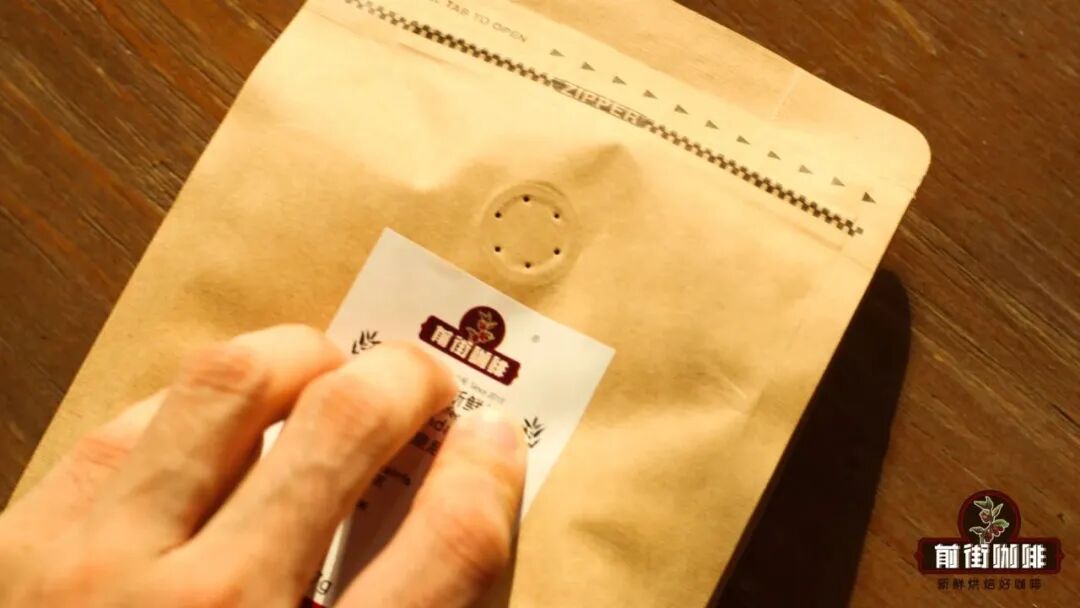
Most freshly roasted coffee beans come in packaging with a one-way valve. This design allows carbon dioxide released by the coffee beans to escape outward while preventing external oxygen from entering. After each use, it’s recommended to seal the bag and lightly press out excess air, which helps reduce oxygen concentration and slows down the oxidation process.
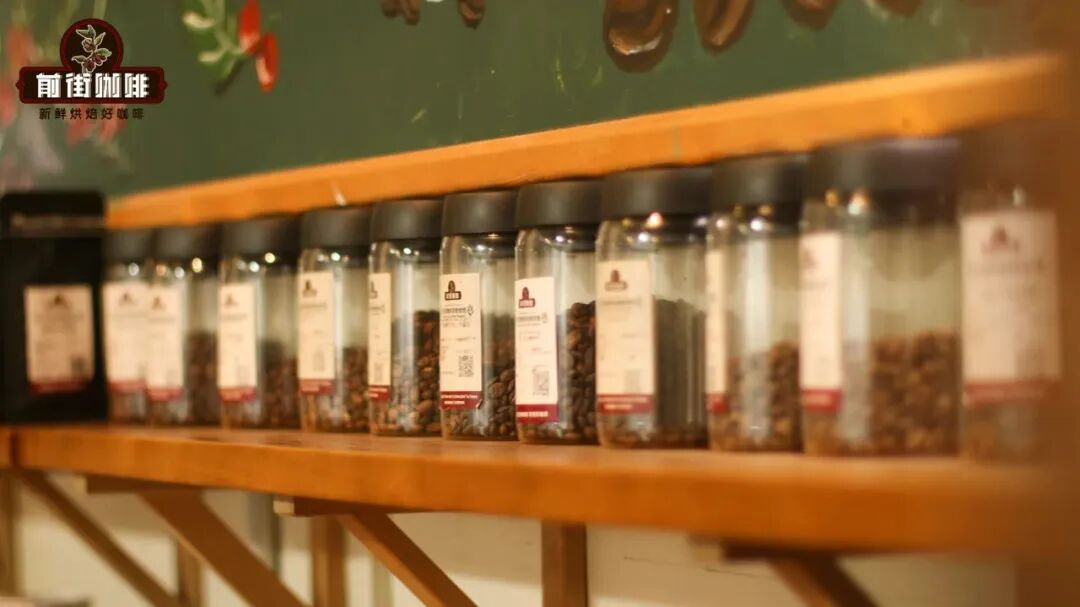
2. Airtight jars
Using glass or plastic airtight jars can effectively block external air, but if the material is transparent, avoid direct sunlight. Also, every time the jar is opened or closed, air enters and exits, so it’s advisable not to store too much coffee in one go to minimize air exposure.
3. Vacuum-sealed jars
Vacuum-sealed jars can remove internal air to create a low-oxygen environment, but they are also often transparent, and each operation may cause pressure changes that can actually accelerate aroma evaporation. Therefore, unless necessary, it’s better to prioritize the original one-way valve packaging, and store it in a cool, dry, and dark place—that is the simplest and most effective preservation strategy.
In summary, whether it’s freshly roasted coffee beans or freshly ground coffee powder, freshness is the key to determining flavor performance. It is recommended to buy an appropriate amount based on your drinking frequency and choose suitable storage methods, so that you can enjoy the most captivating flavor characteristics of coffee with every brew.
The above content is compiled by CoffeeHunters, a coffee news website.

