







Introduction:Do you know why famous Indonesian coffee beans like Golden Mandheling mostly use the wet-hulled processing method instead of the more common washed or natural processes? This article delves into the unique steps of wet hulling, its key differences from the washed process, and how this technique shapes the coffee’s low acidity, full body, and herbal-spicy flavor profile. From processing steps to roasting recommendations and brewing parameters, get to know the charm and secrets of wet-hulled beans inside out.
Walking into a café and ordering a cup of Golden Mandheling from Sumatra, many customers often wonder: why do Indonesian coffee beans mostly use the wet-hulled method, unlike the more common washed or natural processes in other regions? In fact, this is closely related to Indonesia’s unique geographical and climatic conditions, which also contribute to the distinctive rich flavors of wet-hulled beans. Below is a comprehensive introduction to the principles, processes, and characteristics of wet hulling.
The so-called wet-hulled processing method, known in English as Wet Hulling and locally in Indonesia as Giling Basah, is a semi-washed processing technique and is almost iconic to Indonesian coffee. Unlike the traditional washed process, where the mucilage is retained for fermentation and then washed off with clean water before drying with the parchment layer intact, the wet-hulled method also involves water fermentation but removes the parchment layer when the coffee beans are only partially dried (with moisture content reduced to 20%–35%). The subsequent drying process follows. This approach means the coffee beans are "stripped" before they are fully stable, thereby influencing the final flavor direction.
So why does Indonesia particularly favor the wet-hulled method? The key lies in the climate. Indonesia has a hot, humid, and rainy tropical climate, making prolonged sun drying impractical, and thus the natural process is difficult to carry out smoothly in this region. Although the washed process is generally suitable for areas with abundant water resources, in Indonesia’s high-humidity environment, the wet-hulled method is better adapted. Moreover, during processing, it unexpectedly develops a unique flavor that is rich, low in acidity, and carries herbal and spicy notes—becoming the hallmark of Indonesian coffee.
Next, let’s take a detailed look at the main steps of the wet-hulled process. The first step is husking and pulping. Similar to other processing methods, freshly harvested coffee cherries need to be processed quickly. In Indonesia, many smallholder farmers perform the initial husking and pulping at home, removing the outer skin and some of the fruit pulp—this marks the start of the entire process.
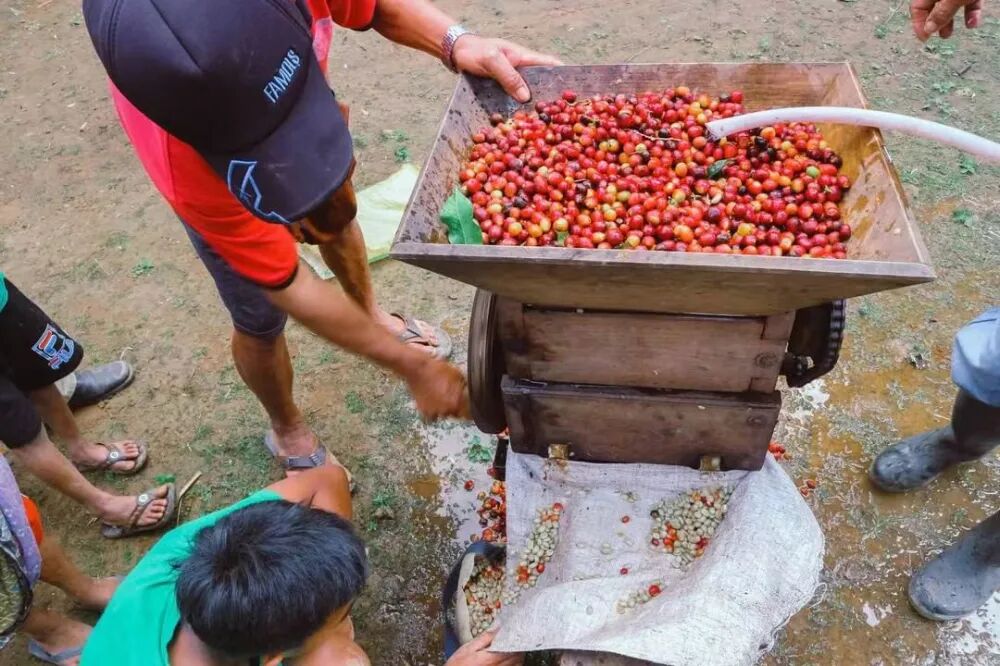
Next comes the washing stage. After husking, the coffee beans are usually soaked in water for about 1 to 2 hours, during which more mucilage is removed through friction to ensure there isn’t too much sticky residue left on the bean surface.

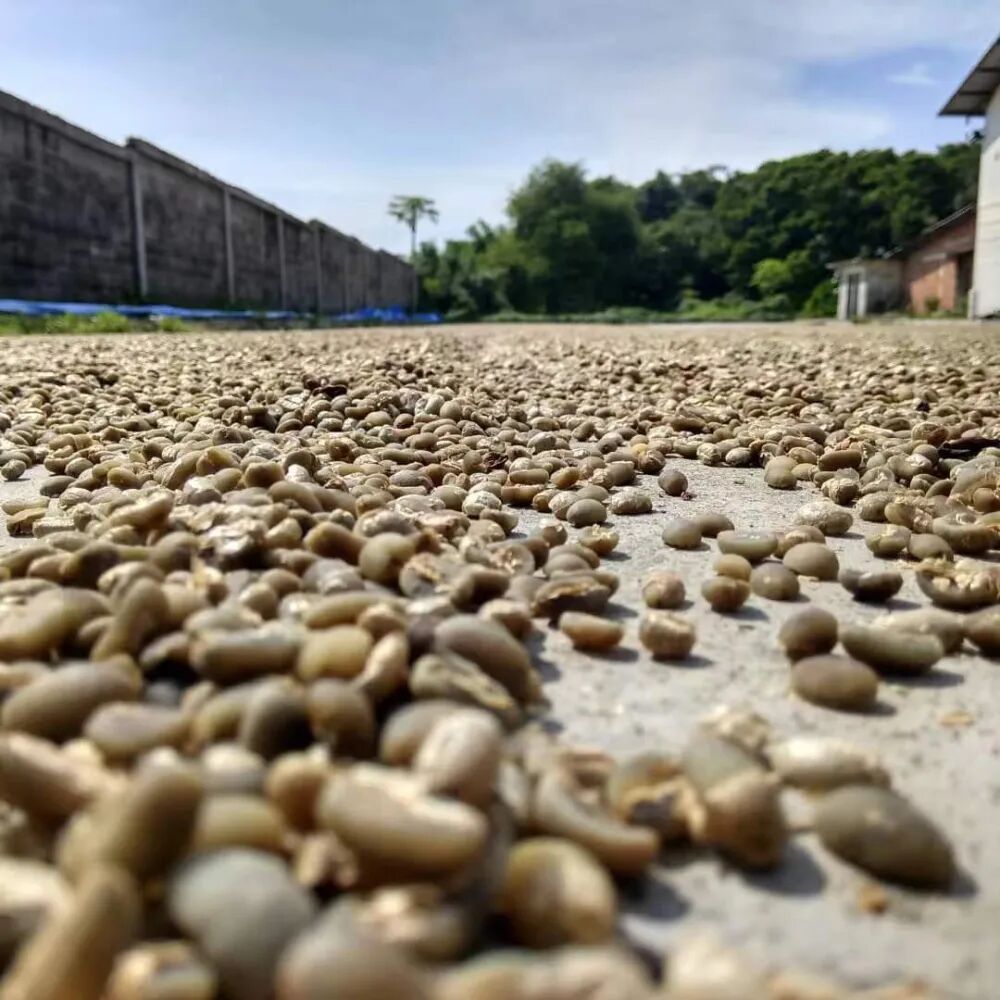
After washing, the coffee beans undergo their first drying at the farm level, during which the moisture content gradually decreases to 20%–35%. Due to weather factors, this drying stage is often not fully complete, so the beans remain in a semi-dry state.
The beans after the first drying are typically sent to market for sale. At this point, the mucilage layer hasn’t fully hardened yet and remains sticky. These beans are collected and then sent to processing facilities for further processing.
At the processing facility, the coffee beans go through a second drying phase, with the goal of further reducing the moisture content to around 18%. This step is crucial for stabilizing the beans and preparing them for the wet-hulling stage.
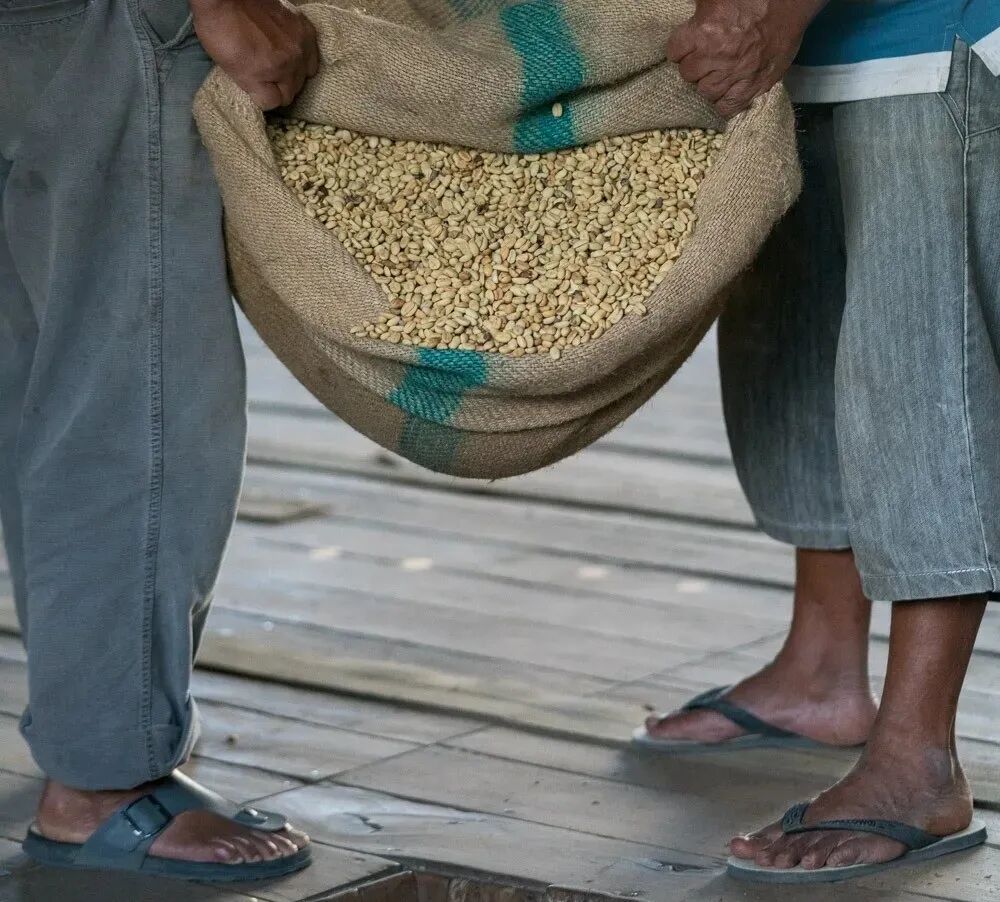
Subsequently, the coffee beans enter the most critical wet-hulling procedure. In this step, the beans are fed into a specialized hulling machine to remove the remaining mucilage and parchment layer. The biggest difference from the washed process is that wet hulling removes the parchment layer before the beans are fully dry, whereas the washed process retains the parchment layer until just before export.
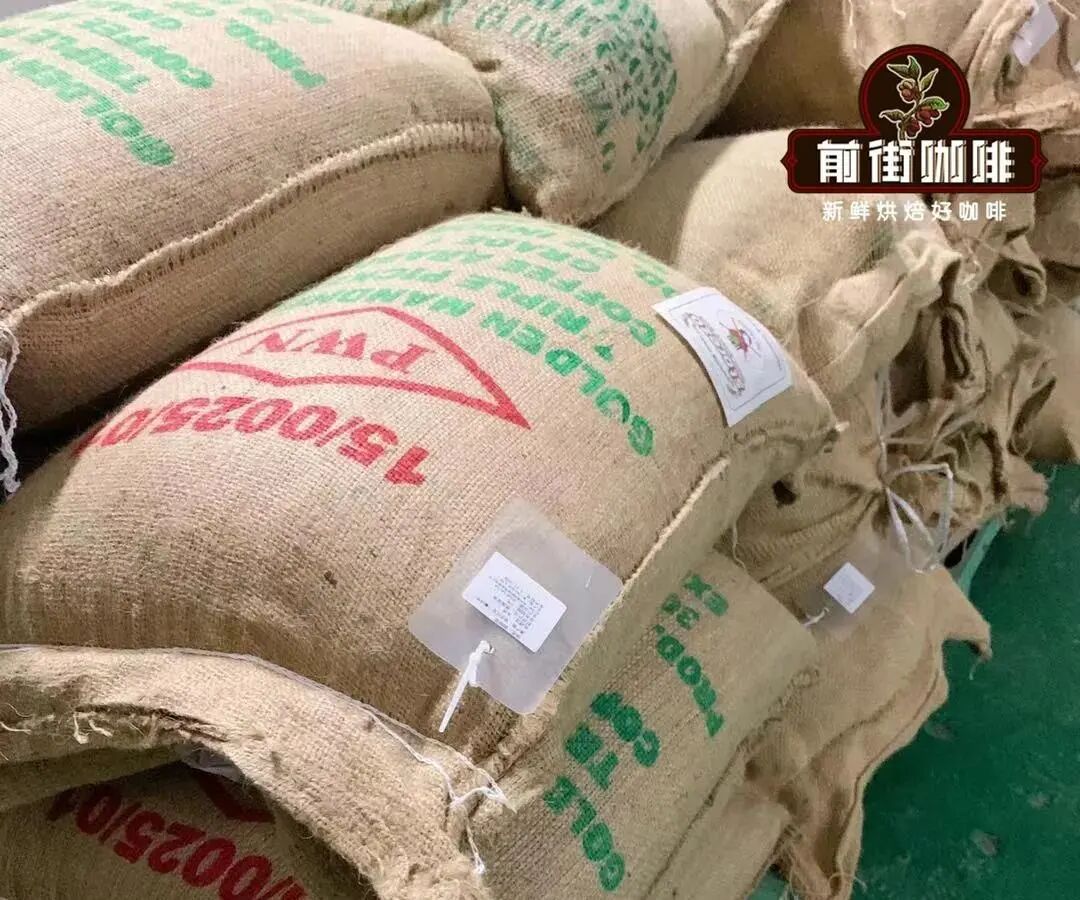
Finally, the wet-hulled coffee beans undergo a final drying stage, aiming for a moisture content of 11%. Once drying is complete, the beans are bagged and stored, awaiting export.
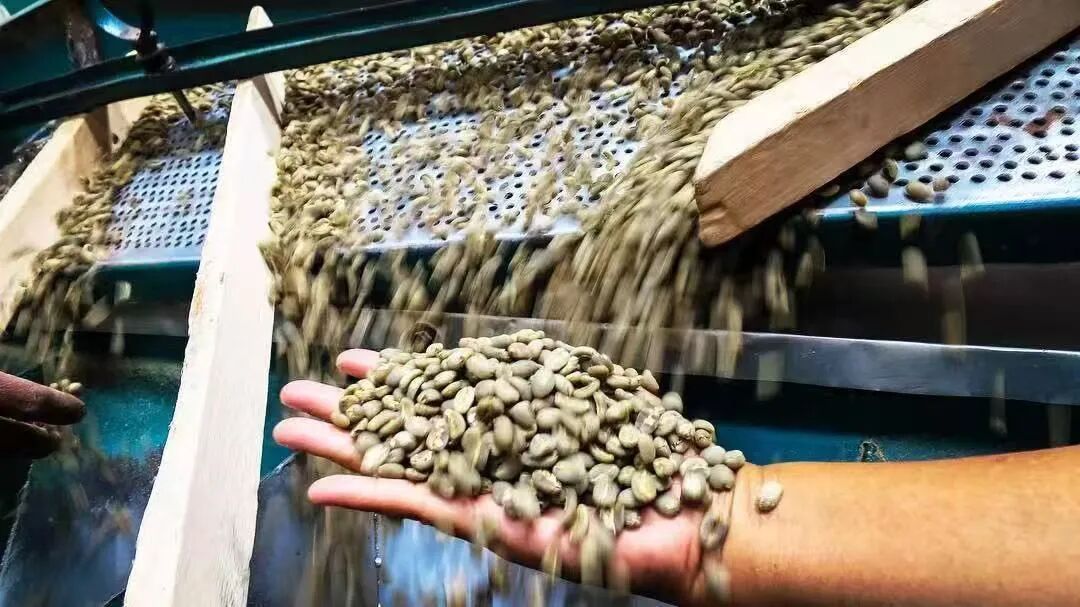
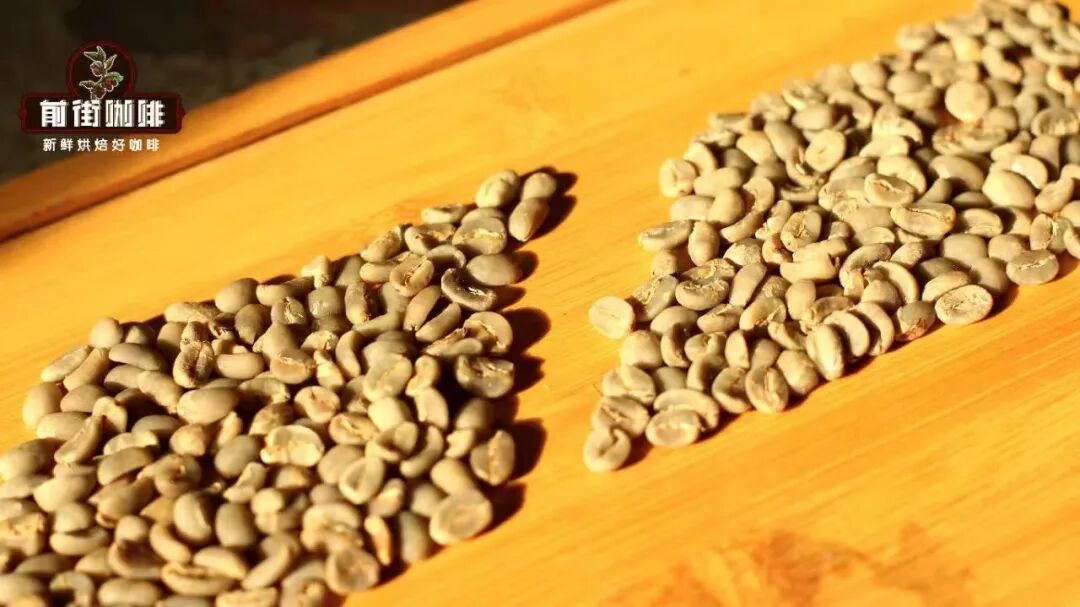
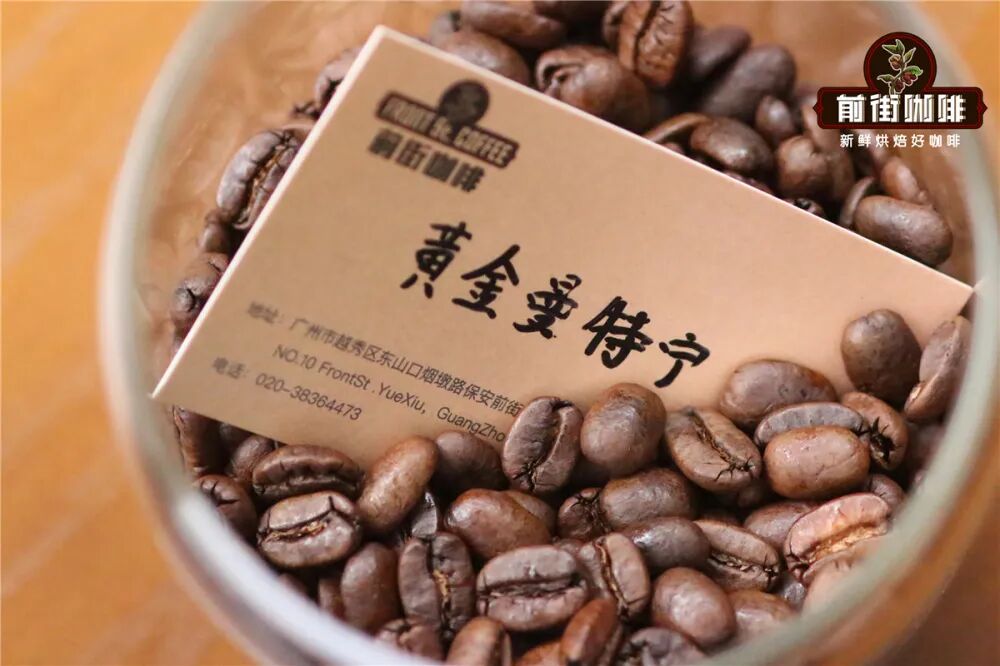
Interestingly, wet-hulled green coffee beans often have a unique “goat hoof” appearance. This is because, during the hulling process while the beans are in a semi-hard, semi-soft state, they are prone to being squeezed and cracked by the machine, resulting in a shape resembling a goat’s hoof. This appearance is very common in Indonesian Mandheling beans and is not a defect but rather a typical characteristic of this processing method.
In terms of flavor profile, wet-hulled coffee typically exhibits low acidity, a full body, and unique herbal and spicy notes. Coffee expert Han Huai-zong once described this process as “accidentally creating the rich, deep aroma unique to Mandheling.” In actual cuppings, most wet-hulled beans indeed show consistent traits: gentle acidity, a heavy body, and pronounced grassy and spice flavors, making it highly suitable for drinkers who prefer bold, intense flavors.
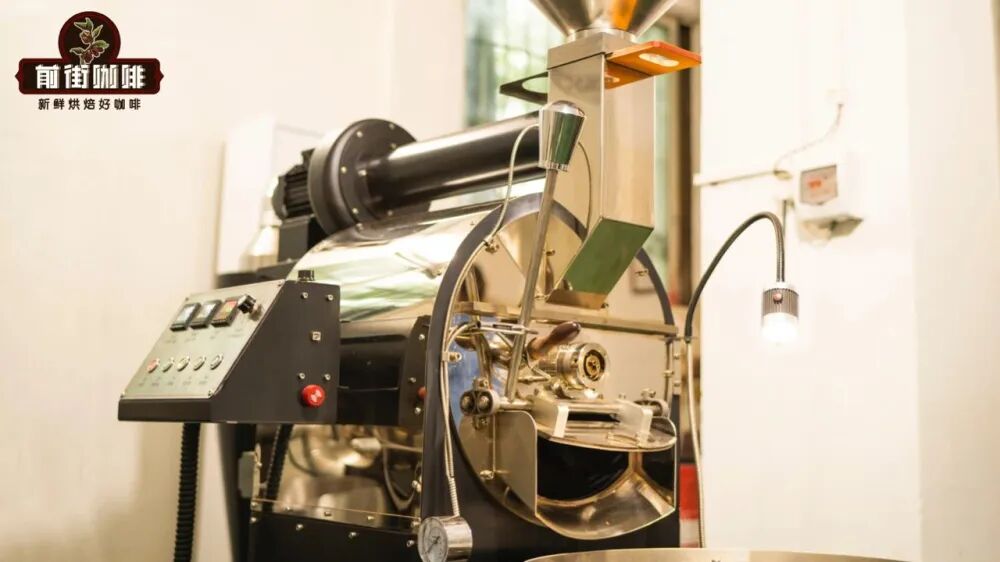
If you’d like to brew wet-hulled coffee yourself, take PWN Golden Mandheling as an example. It is grown at the Gayo Mountains in Aceh, Sumatra, at altitudes of 1100–1600 meters, with the Ateng variety, graded G1, and hand-sorted three times. It is processed using the wet-hulled method. Regarding roasting, since this bean has relatively high moisture content, special attention should be paid to the drying stage. Begin with a 30-second bloom, then adjust the air vent. After first crack, monitor the heat and air vent control, aiming for a drop temperature of around 204.5°C to bring out its rich characteristics.
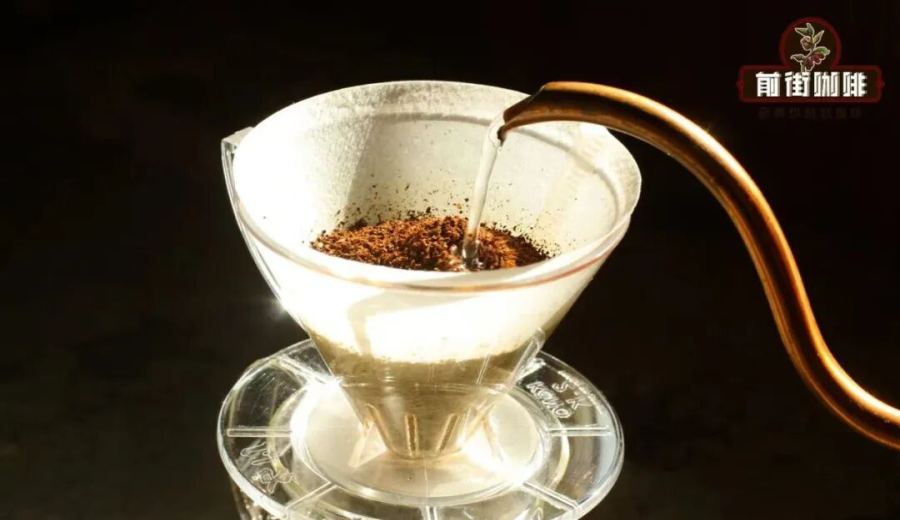
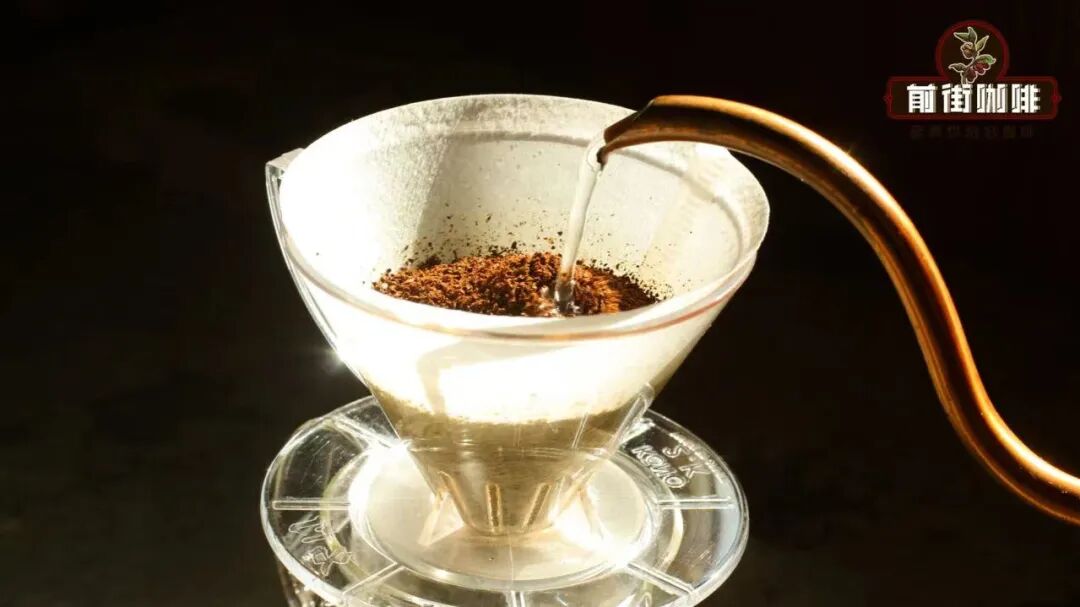
For brewing, the KONO filter cone is recommended, using 15 grams of coffee, a water temperature of 88°C, and a coffee-to-water ratio of 1:15. The grind size should pass through a 0.85mm sieve with 75% or more extraction. Start with a bloom by pouring double the coffee’s weight in water (about 30 grams) and bloom for 30 seconds, then pour in a small circular motion until reaching 125 grams, followed by a pause, and continue pouring until 225 grams. Keep the total extraction time around 2 minutes to fully highlight the wet-hulled beans’ full body and aromatic layers.
The above content is compiled by CoffeeHunters, a coffee news website.

