








Introduction:Latte, cappuccino, and flat white are hailed as the "trio of milk coffees." Though all three are based on fresh milk and espresso, their differences in milk foam thickness and proportion result in distinct textures and visual styles. This article delves into the milk foam thickness standards, preparation essentials, and how these three classic Italian-style milk coffees differ in texture and flavor, helping you better appreciate the unique charm of each.
In the world of coffee, simply adjusting the proportions and preparation methods of a few basic ingredients can create a wide variety of beverage flavors, and Italian-style milk coffee is the perfect example. Among the most representative classics—latte, cappuccino, and flat white—although all primarily consist of fresh milk and espresso, their varying milk foam thicknesses deliver completely different textures and mouthfeels, giving each its own distinctive flavor profile.
These three milk coffees are most often compared not only because they are extremely common in coffee shops around the globe but also because their differences often lie in the details—especially the thickness of the milk foam. Just how thick should their milk foam be? How does this thickness affect overall flavor and mouthfeel? Next, we’ll start with the basic principles of milk foam and analyze the characteristics of these three popular milk coffees one by one.

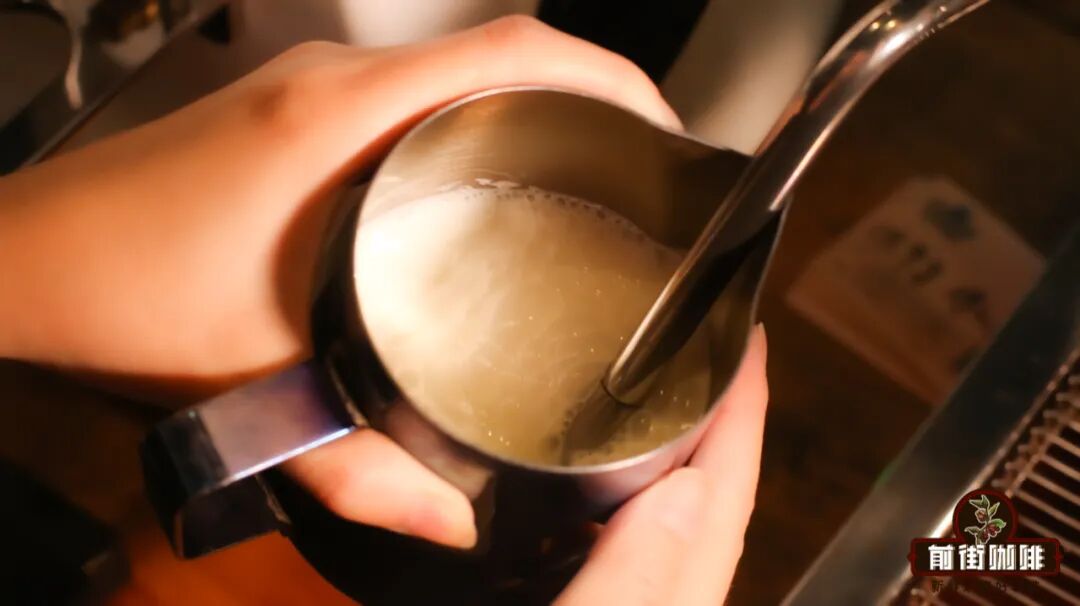
So-called "milk foam" is simply the foam produced when milk is agitated. Its formation principle involves introducing air into the milk, allowing the air to mix with the milk to form bubbles. However, to create milk foam suitable for coffee, simply incorporating air isn’t enough—you also need a process known as "stretching," where larger bubbles are broken down into fine, uniform microbubbles, resulting in a smooth and velvety texture.
Although modern cafés mostly use the steam wand of an espresso machine to create milk foam, in reality, devices such as electric mixers and French presses can also produce milk foam, though precisely controlling the foam thickness is more challenging. Regardless of the method used, the thickness of the milk foam directly affects latte art performance, coffee mouthfeel, and overall visual presentation, making it a key factor in distinguishing between latte, cappuccino, and flat white.

Let’s start with the cappuccino. This classic Italian coffee is renowned for its thick milk foam, which typically has a thickness of about 2 centimeters, and the overall cup is often filled to an "11/10 full" state—that is, the surface features a visibly raised layer of foam, resembling a small hill or even a hamburger from afar, making it highly recognizable.
This thick milk foam requires a longer steaming time to allow the steam to fully incorporate air into the milk, along with proper stretching techniques to transform large bubbles into fine foam. Taking the commonly used espresso machine steam wand as an example, the steaming time for cappuccino foam is generally kept to around 3 seconds, though the exact time may need slight adjustments based on steam pressure and cup shape.
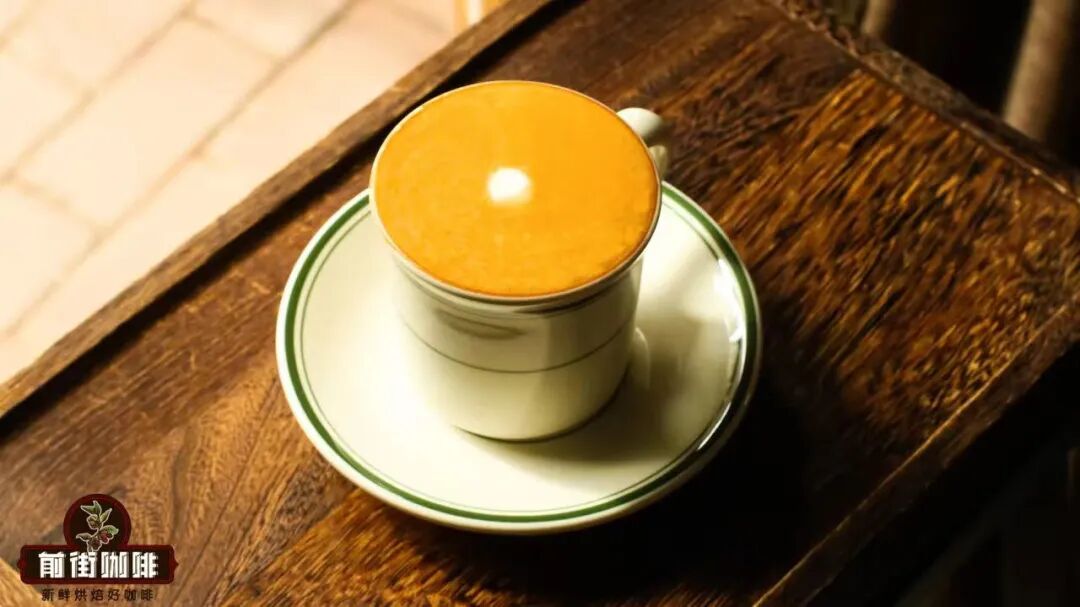
Due to its thick foam, cappuccino is generally not suited for intricate latte art and is usually presented with a simple white heart design. However, this thick layer of foam delivers a marshmallow-like velvety mouthfeel, offering a soft and warm texture when drinking, making it a top choice for those who love rich milk aroma and a heavy body.


Compared to cappuccino, the milk foam of a latte is noticeably thinner, at about 1 centimeter—roughly half the thickness of a cappuccino. This thickness is designed to allow milk to occupy a higher proportion of the overall drink, balancing the intense bitterness of the espresso and creating a more harmonious, smoother flavor.
Over time, the milk foam thickness of a latte has also become the ideal partner for latte art. This medium-thickness foam offers both fluidity and stability—not too thin to blur patterns, nor too thick to resist shaping—allowing for the creation of a wide variety of exquisite and detailed latte art designs.
In practice, the steaming time for latte foam usually only requires about 1 second of air intake, followed by stretching to achieve optimal fineness and fluidity. This kind of foam not only gives the coffee a gentle mouthfeel but also adds artistic flair to its visual presentation, making it a classic must-try for many coffee enthusiasts.



Finally, there’s the flat white, which has gained increasing popularity in recent years. Originating from Australia and New Zealand, this coffee is best known for its extremely thin milk foam, with a thickness of only about 0.3 millimeters—almost akin to no foam at all. As a result, the surface of a flat white appears smoother, lacking the obvious foam layer seen in cappuccinos or lattes.
This ultra-thin foam is designed to enhance the expression of the coffee’s own flavors while delivering a silky-smooth drinking experience. With minimal foam, the concentrated flavors of the espresso are transmitted more directly to the taste buds. Paired with the bold taste of a short pull espresso, the overall flavor is rich yet not bitter, and incredibly smooth on the palate.
Because the foam is so light and thin, flat whites are generally not suitable for complex latte art. Most cafés opt to evenly integrate the foam with the coffee upon serving, presenting a clean and pure visual style. For consumers who enjoy rich coffee flavors but prefer a smooth and easy drinking experience, the flat white is undoubtedly an appealing choice.


The above content is compiled by CoffeeHunters, a coffee news website.


