







Introduction:Cold drip coffee has become a popular choice in summer in recent years, but its origins and brewing principles are often misunderstood. This article delves into the historical background of cold drip coffee, the types of coffee beans suited for it, and details the key extraction parameters that affect its flavor, as well as the actual caffeine content, to help you better understand the charm and considerations of this low-temperature slow-brewed coffee.
With the arrival of summer, cold drip coffee, a method of slow extraction at low temperatures, is gradually gaining favor among coffee enthusiasts. However, many consumers still hold misconceptions about how cold drip is made and its origins. This article will take you through the complete history of cold drip coffee, the suitable bean varieties, common brewing methods, actual flavor profiles, and analyze whether its caffeine content is truly as low as rumored.

The most widely circulated story about the origin of cold drip coffee is that in the 17th century, Dutch sailors, lacking hot water on ships, developed a method of slowly dripping cold water to extract coffee. Although this explanation sounds plausible, it is actually a marketing story fabricated by Japanese businesses to promote cold drip brewers, with no historical basis. In fact, Western countries did not widely adopt the so-called "Dutch Coffee" cold drip technique; their more common cold brewing method is "cold brew," where coffee grounds are steeped in cold water for an extended period.

Interestingly, although "cold drip coffee" is referred to as Dutch Coffee, it has almost nothing to do with the Netherlands and is instead closely associated with Kyoto, Japan. It is said that the owner of a café in Kyoto, while reading about the coffee culture of the Dutch colony Indonesia, became interested in the local brewing methods. With the help of chemistry students from Kyoto University and a medical equipment company, he attempted to recreate this brewing method and eventually developed an early version of the cold drip device, which served as the prototype for cold drip coffee. This technique later spread to Europe and America, but due to its unclear historical background, it was mistakenly called "Kyoto Coffee."
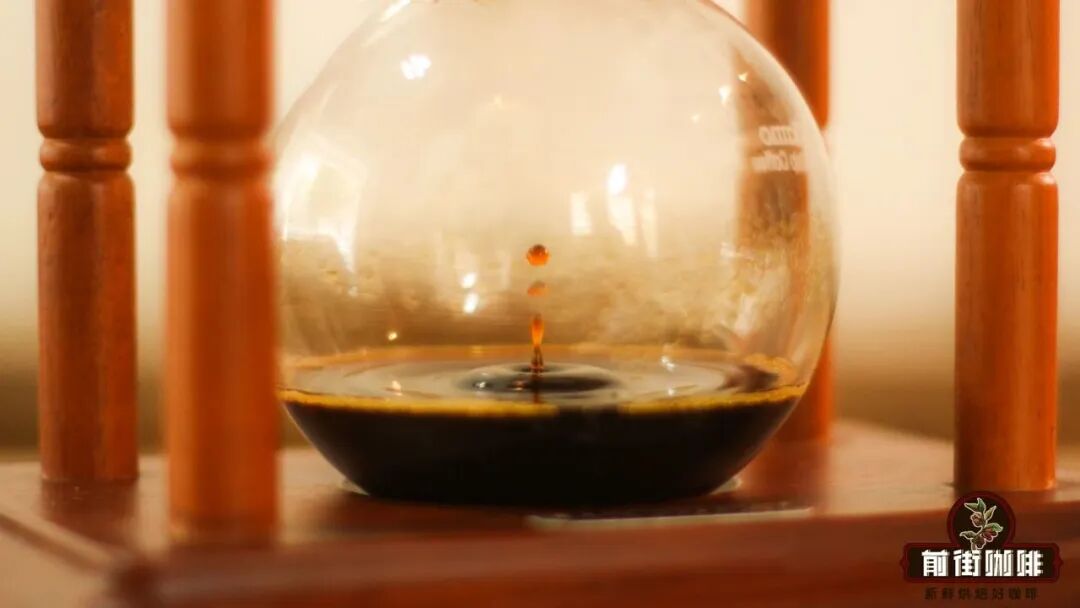
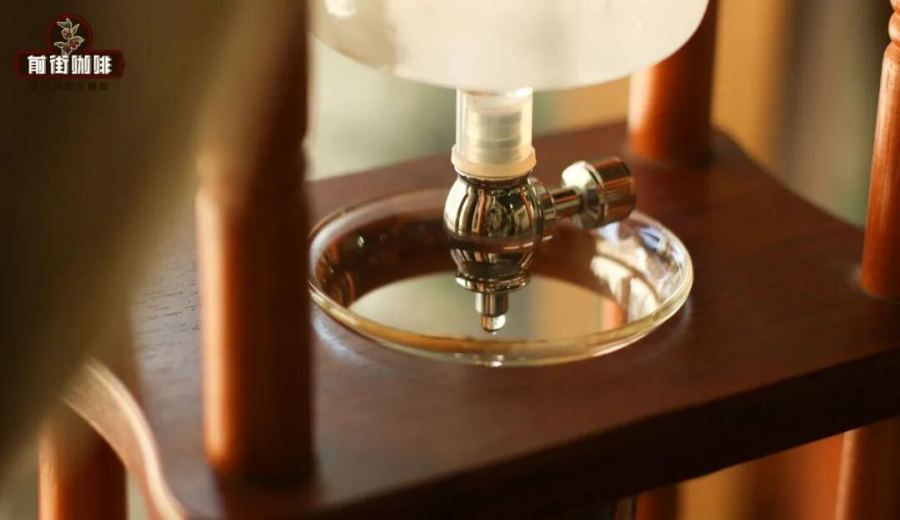
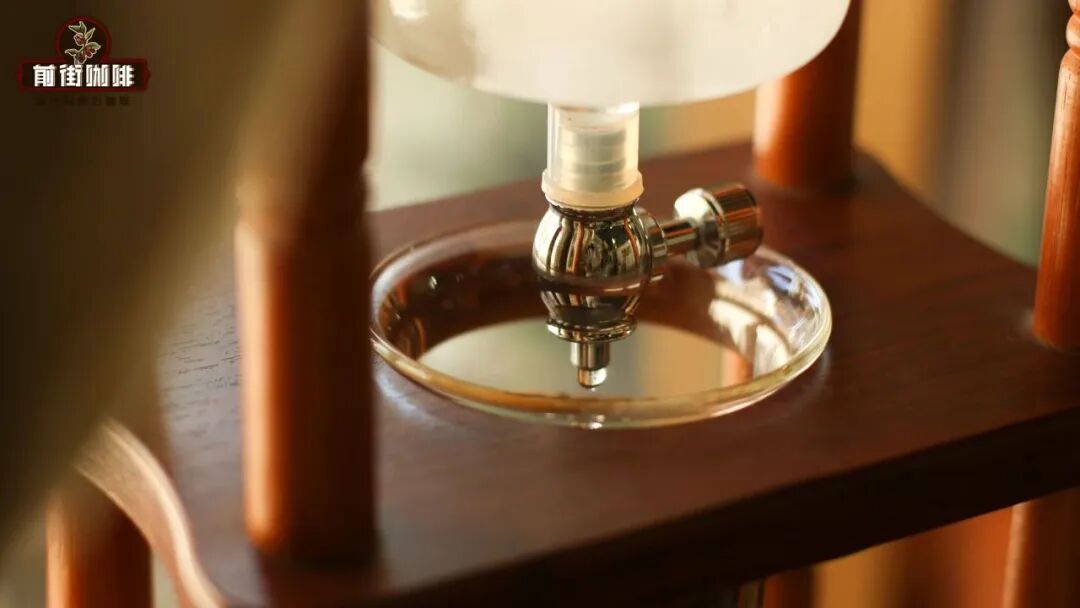
Cold drip coffee uses ice-cold water near zero degrees for extremely slow extraction, typically drop by drop. This low-temperature environment effectively suppresses the volatilization of coffee flavor compounds, allowing aromatic molecules to remain fully preserved in the coffee liquid. When this cold drip coffee liquid returns to room temperature or even slightly higher, the sealed aromas are instantly released, especially creating a strong and pleasant burst of flavor at the back of the tongue—this is one of the reasons many people are enamored with cold drip.
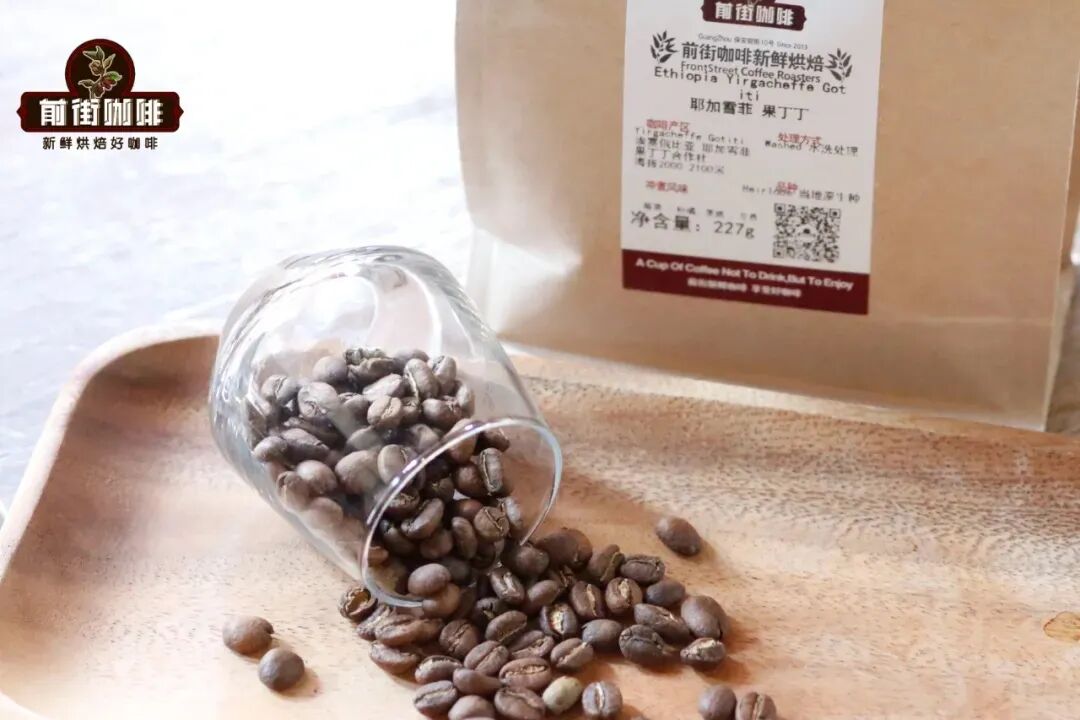
When selecting coffee beans suitable for cold drip, it is recommended to choose based on personal taste preferences. If you enjoy bright acidity and a refreshing mouthfeel, you may prioritize beans processed via the washed method, such as those with floral and fruity notes. If you prefer a richer flavor with nutty and chocolatey undertones, medium to dark roasted blends or single-origin beans are more appropriate, as these often showcase a fuller texture and layered profile. Additionally, fermentation-processed beans, which have recently gained attention and feature distinct tropical fruit flavors, can also exhibit more complex layers in cold drip.

Below is a reference process and parameters for actually making cold drip coffee, for readers who wish to try it themselves:
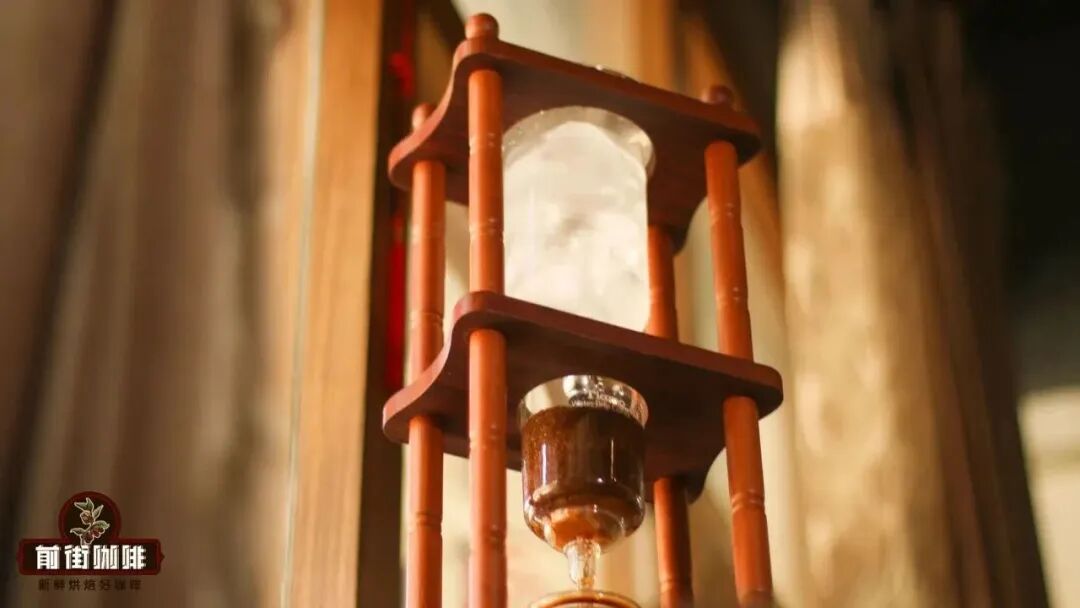
First is the coffee-to-water ratio, generally recommended to be 1:10, meaning 60 grams of coffee grounds to 600 milliliters of water. Before starting the drip, place a round filter paper at the bottom of the coffee chamber and slightly wet it with water to make it adhere to the walls. Then, evenly pour in coffee grounds with a coarseness similar to sugar (the recommended grind size can refer to the EK-43s #10 setting), and gently level them. Sometimes, using a tamper to lightly press the surface can make it flatter.
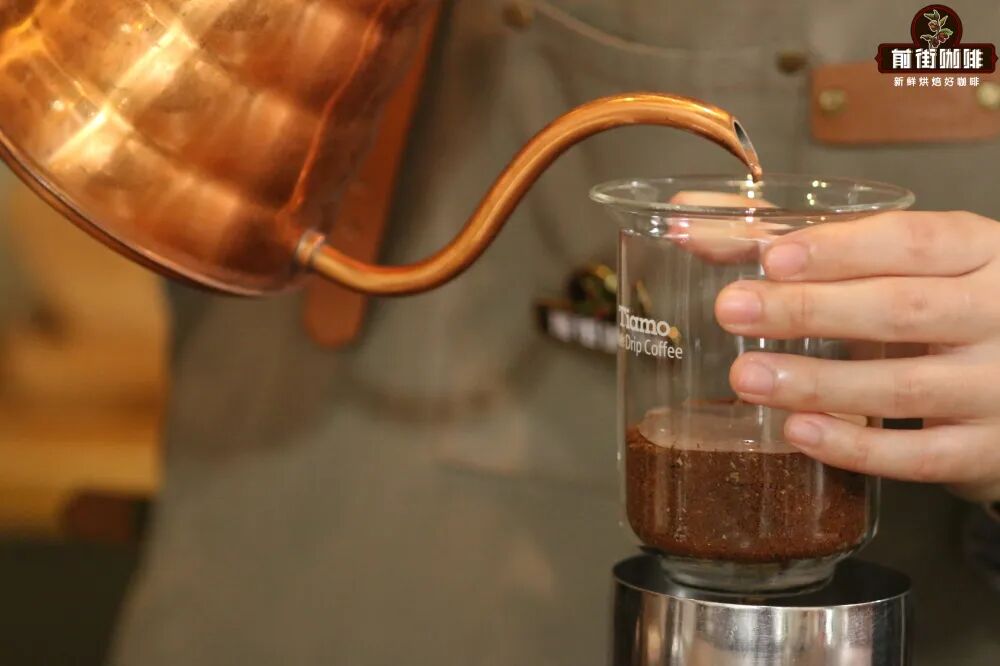
It is particularly worth noting that it is also recommended to place another filter paper on top of the coffee grounds. This helps distribute the water evenly and prevents the formation of indentations in the coffee bed due to prolonged dripping, which could affect extraction consistency.
Next, you can perform pre-soaking, also known as "bloom," using ice water to moisten the coffee grounds first. This helps improve the stability and consistency of subsequent extraction. Starting cold drip directly may lead to uneven water absorption in some layers of grounds, thereby affecting the overall flavor balance.
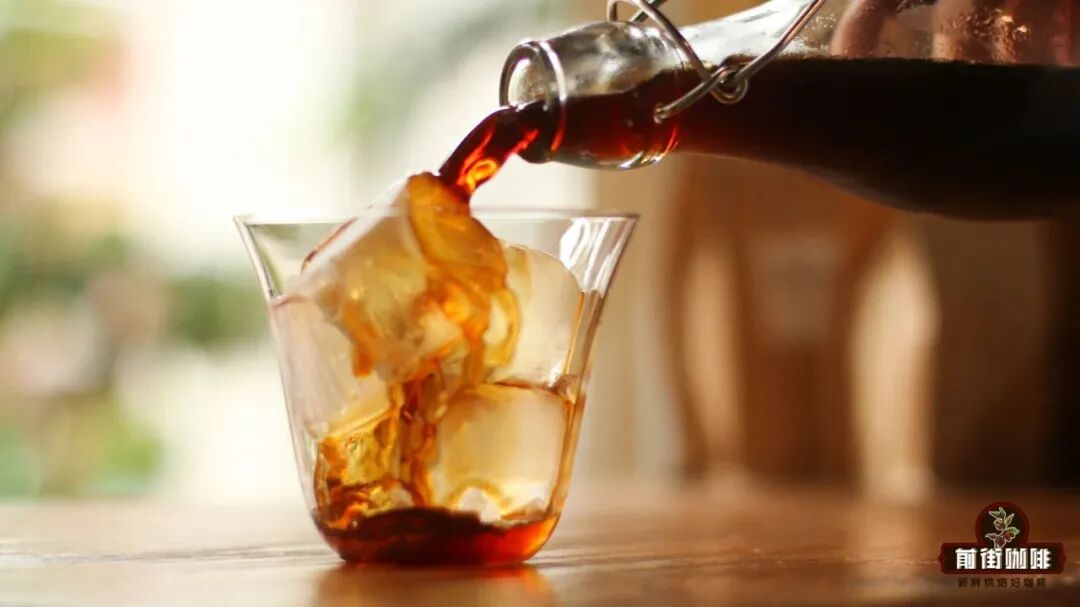
Then, adjust the ice-to-water ratio to 1:1, place it in the water container, and adjust the dripping speed, recommended to be around 7 drops per 10 seconds. Finally, after the dripping is completed, it is recommended to pour the resulting coffee liquid into a sealed glass container and let it refrigerate overnight. This aids in flavor integration, making the mouthfeel smoother and more palatable.
As for the commonly concerned caffeine content, many believe that because cold drip uses cold water, the release of caffeine is lower. However, although the amount of caffeine released per unit time is indeed less, the total accumulated caffeine content is still quite substantial due to the long dripping duration of several hours. According to some research data, cold drip coffee made with 20 grams of coffee grounds and 200 milliliters of water has a caffeine content of about 135 milligrams, which is higher than a shot of espresso (about 100 milligrams, made with 20 grams of grounds and 40 milliliters of water). In other words, the caffeine content in cold drip may be higher than that in typical espresso beverages.
However, it should still be noted that actual caffeine content can vary due to factors such as the coffee bean variety used, grind size, drip rate, and total extraction time. In addition, individual tolerance to caffeine varies greatly—some people may experience sleep disturbances even with small amounts, while others can easily handle large quantities. Therefore, those sensitive to caffeine are advised to consume in moderation, paying attention to intake regardless of the brewing method.
The above content is compiled by CoffeeHunters, a coffee news website.


